


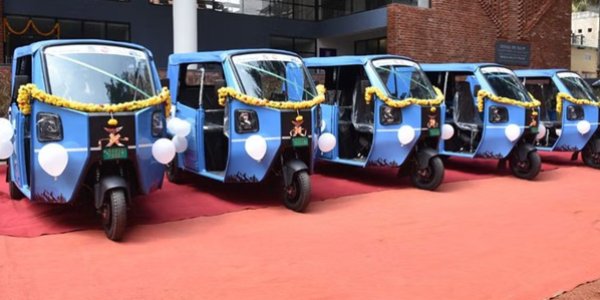
In a move combining sustainable mobility with social empowerment, Bengaluru authorities have handed over 20 electric three-wheelers to women and transgender entrepreneurs, marking a step toward inclusive urban transport and greener city logistics.
The initiative aims to provide livelihoods while simultaneously reducing emissions, positioning Bengaluru as a model for cities balancing climate action with equitable economic growth.The scheme, facilitated through local transport and development agencies, grants fully subsidised electric auto rickshaws to underrepresented groups, enabling them to enter the urban transport market with minimal financial barriers. A senior city official highlighted that the initiative is part of a broader strategy to integrate green mobility solutions while promoting gender-neutral employment opportunities in traditionally male-dominated sectors.Industry experts note that electric autos present both environmental and economic advantages. Lower operational costs, reduced reliance on fossil fuels, and minimal noise pollution make these vehicles well-suited for dense urban corridors. Simultaneously, providing ownership to women and transgender individuals enhances social inclusion, supports entrepreneurship, and fosters financial independence for marginalised groups. Analysts suggest that such interventions can catalyse broader societal change by demonstrating the viability of sustainable livelihoods in urban transport ecosystems.Urban planners point out that integrating electric autos aligns with Bengaluru’s wider climate resilience and sustainable infrastructure goals.
By incentivising electric mobility at the grassroots level, the city can reduce vehicular emissions, mitigate urban heat effects, and support the transition to a low-carbon transport network. Officials also emphasise that community-based deployment ensures the vehicles are utilised efficiently, while fostering local economic activity.From an economic perspective, the programme addresses dual urban challenges: rising demand for affordable transport and the need for equitable employment avenues. A senior policy expert explained that schemes like this can contribute to micro-entrepreneurship clusters, wherein local residents operate eco-friendly transport services while benefiting from city-supported training, maintenance infrastructure, and financial literacy programmes.Social advocates underline that targeting women and transgender beneficiaries is a conscious policy choice to rectify historical inequities in access to employment and capital-intensive sectors. By offering ownership rather than mere employment, the programme ensures long-term empowerment and creates role models for other cities considering similar inclusivity-driven mobility initiatives.
Looking ahead, authorities plan to expand the programme in phases, potentially incorporating battery-swapping infrastructure, digital ride-hailing integration, and wider access to financial incentives. For urban policymakers, this initiative demonstrates that sustainability and social equity can co-exist in transport planning, offering a blueprint for other cities aiming to cultivate zero-carbon mobility while addressing systemic social disparities.
Also Read:Bengaluru Celebrates St Patricks Day Partnerships
