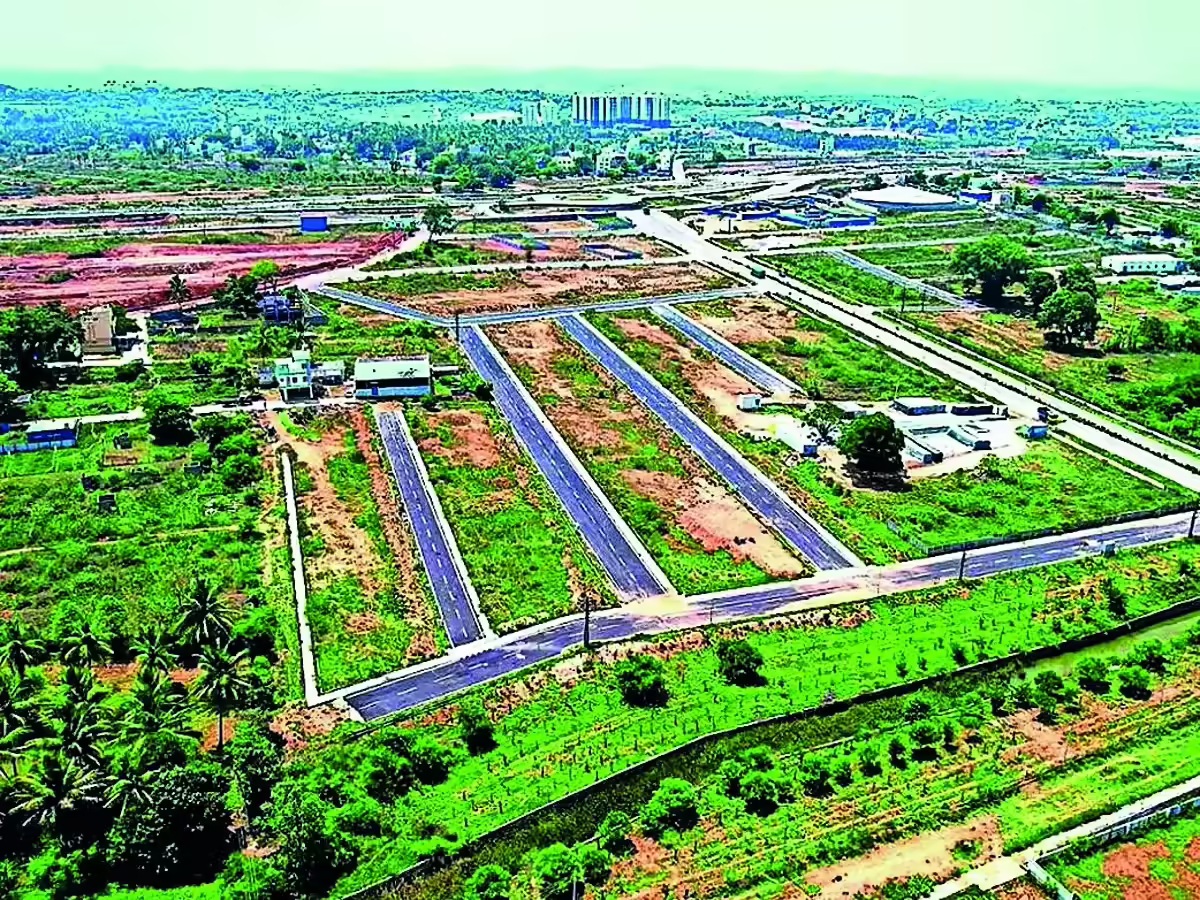
Bengaluru Development Authority reclaims public urban land
Bengaluru’s urban land governance landscape is undergoing a reset after the city’s development authority reclaimed encroached public land valued at more than ₹700 crore through a series of coordinated enforcement actions. Conducted across multiple zones over the second half of last year, the demolitions mark one of the most extensive land recovery exercises undertaken by the agency in recent years, with implications for infrastructure planning, real estate markets and long-term city resilience.
According to officials familiar with the exercise, the Bengaluru Development Authority reclaimed over 25 acres of land that had been occupied illegally for years, in some cases decades. These parcels were originally acquired for public layouts, transport corridors and civic infrastructure, but had gradually been converted into private residential, commercial and industrial uses. Structures ranging from reinforced concrete buildings to warehouses and boundary walls were removed following statutory notices and public announcements. The most significant recovery occurred in a southern residential corridor, where more than half the total reclaimed land was secured in phased actions. Additional recoveries were reported from western and eastern neighbourhoods, including planned layouts and satellite townships, areas that have witnessed sustained development pressure as the city expands outward.
Urban planners say the scale of encroachment reflects deeper structural challenges in Bengaluru’s growth model. Rapid population influx, delayed project execution and fragmented land records have historically created conditions where public land remains vulnerable. Over time, such encroachments distort infrastructure planning, strain utilities and limit the availability of land for affordable housing, open spaces and climate-adaptive infrastructure. From an economic perspective, the reclaimed land represents a substantial public asset. Officials indicate that parcels which are clearly demarcated and legally independent may be auctioned after necessary clearances, potentially generating significant non-tax revenue. Other plots are likely to be integrated into existing layouts or reserved for future public projects, including roads, civic amenities and planned housing.
Real estate analysts note that consistent enforcement could help stabilise Bengaluru’s land market by reducing speculative risk and reinforcing confidence in planning regulations. However, they caution that land recovery must be paired with faster project delivery and transparent redevelopment plans to prevent re-encroachment and social disruption. The authority has maintained that these actions form part of routine asset protection rather than a one-time drive, and that cases under judicial review are addressed only after legal directions are received. While no immediate redevelopment plans have been announced, urban policy experts argue that the next phase- how reclaimed land is reused—will be critical. As Bengaluru grapples with climate stress, mobility constraints and housing demand, the recovery of public land offers an opportunity to realign growth with sustainability goals. Whether this translates into greener infrastructure, inclusive neighbourhoods or improved public services will depend on planning choices made in the months ahead.