


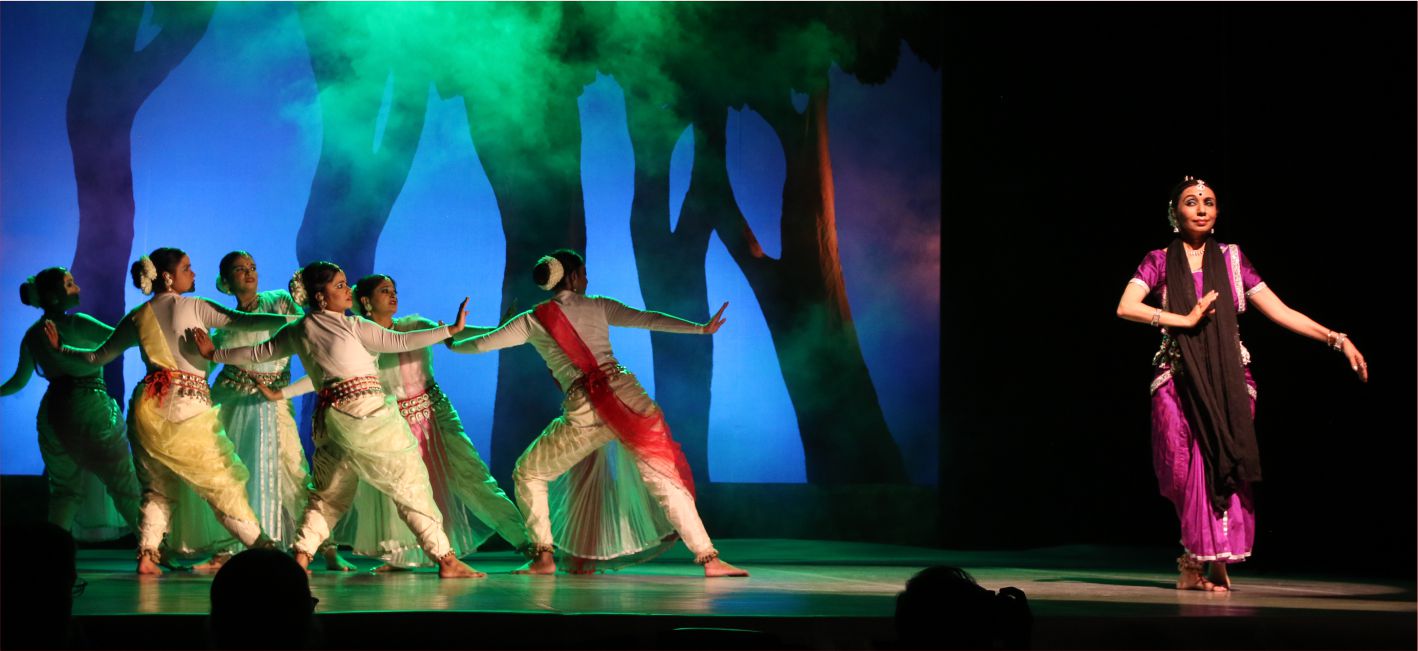
Bengaluru’s cultural landscape is embracing new forms of artistic expression as performances blending classical ballet with Indian traditions gain prominence, reflecting the city’s evolving identity as a global yet rooted urban centre.
The convergence of diverse art forms highlights how metropolitan audiences are increasingly open to cross-cultural experimentation.Cultural organisers note that such performances are designed to reinterpret traditional narratives through contemporary global styles, creating a hybrid form that resonates with younger audiences while retaining classical depth. By merging Western ballet techniques with Indian storytelling and music, artists are crafting experiences that bridge geographic and cultural boundaries.The rise of such initiatives points to Bengaluru’s expanding role as a cultural hub where innovation is not limited to technology but extends into the arts. As the city attracts a diverse population, including international professionals and students, demand for globally inspired cultural experiences is steadily increasing.From an urban development perspective, the growth of the Bengaluru cultural fusion scene underscores the importance of creative industries in shaping city identity. Cultural programming contributes to place-making, enhances liveability, and supports the development of vibrant public spaces where communities can engage and interact.
Experts highlight that integrating global and local art forms can also strengthen cultural resilience.By adapting traditional elements to contemporary formats, artists ensure that heritage remains relevant in rapidly changing urban contexts. This approach not only preserves cultural narratives but also makes them accessible to wider audiences.The economic impact of such events is also notable. Performances and cultural festivals generate activity across hospitality, tourism, and event management sectors, contributing to the city’s creative economy. As Bengaluru continues to position itself as a destination for both business and culture, such initiatives play a key role in diversifying its urban appeal.However, sustaining this momentum requires continued investment in cultural infrastructure. Accessible performance venues, funding support, and policy frameworks that encourage artistic innovation are essential for nurturing the creative ecosystem. Without these, the growth of experimental art forms may remain limited to niche audiences.The Bengaluru cultural fusion movement also aligns with broader goals of inclusive urban development. By bringing together different artistic traditions, such initiatives promote dialogue, understanding, and shared cultural experiences among diverse communities.
As Bengaluru continues to evolve, the blending of global and local art forms offers a glimpse into how cities can celebrate diversity while maintaining a strong cultural identity. The success of such performances suggests that the future of urban culture lies in collaboration, experimentation, and the ability to adapt tradition to contemporary contexts.
Also Read:Bengaluru Summer Run Boosts Urban Fitness Culture
