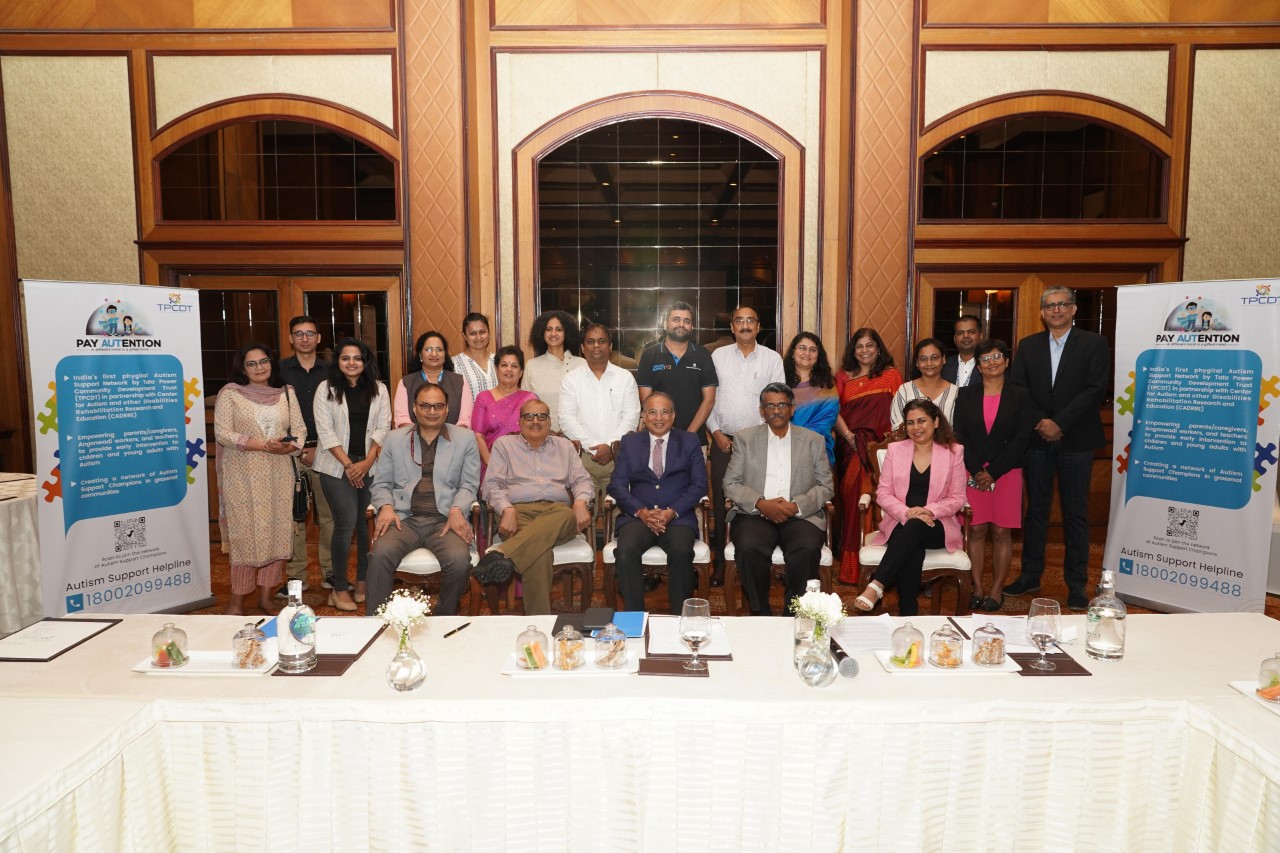
Bengaluru Convention Redefines Autism Technology Use
Bengaluru hosted a cross-disciplinary debate this week on how digital tools and artificial intelligence are reshaping autism care, with clinicians, technologists and advocates urging a move away from rigid, standardised solutions towards more flexible, human-centred approaches. The discussions took place at an international autism convention held at a leading city-based medical and academic institution, reflecting growing concern over how emerging technologies intersect with healthcare access, equity and urban well-being.
As Indian cities expand and healthcare systems face mounting pressure, digital autism care is increasingly viewed as both an opportunity and a risk. Experts cautioned that while apps, sensors and AI-driven platforms can help bridge gaps in diagnosis and therapy especially in low-resource urban settings poorly designed tools may exclude those they intend to support. Children on the autism spectrum, participants noted, display wide variation in communication styles, sensory preferences and developmental trajectories, making uniform digital interventions ineffective or even counterproductive. Technology specialists highlighted that many existing digital therapies are built around narrow behavioural assumptions. These models often fail to capture non-verbal comprehension, subtle motor intent or emotional signalling capacities that are frequently underestimated in autistic individuals. By contrast, adaptive digital autism care systems, when designed thoughtfully, can reveal cognitive and communicative abilities that conventional assessments miss, particularly among minimally speaking users.
From an urban policy perspective, the conversation carries wider implications. Bengaluru, like other Indian metros, is grappling with uneven access to specialised healthcare, long travel times for therapy, and high caregiver burden. Flexible digital autism care tools, if embedded within community health networks, could reduce dependence on centralised facilities, cut costs, and improve early support for families across income groups. However, experts stressed that technology should complement, not replace, human relationships in care. Researchers working at the intersection of neuroscience and engineering argued for probabilistic, data-driven models rather than rule-based systems. By analysing multiple streams such as movement, gaze, speech patterns and physiological responses digital platforms could better anticipate behavioural escalation and support de-escalation in everyday environments like homes, schools and public spaces. Such insights, they suggested, could inform more inclusive design of classrooms, housing and neighbourhood facilities, aligning healthcare innovation with people-first urban development.
A recurring theme was the need to design for the Global South. Imported solutions from wealthier countries often assume stable internet access, high-end devices and specialised training conditions that do not reflect most Indian cities. Delegates emphasised co-creation with parents, educators and local clinicians to ensure digital autism care tools are affordable, culturally appropriate and adaptable. Looking ahead, participants agreed that early identification may be one of technology’s most transformative contributions, with AI-assisted screening showing promise in flagging developmental differences far earlier than traditional pathways. For cities striving to build inclusive, resilient communities, the challenge now is governance: ensuring digital autism care evolves as a public good responsive to human diversity, grounded in local realities, and integrated into sustainable urban health systems.