


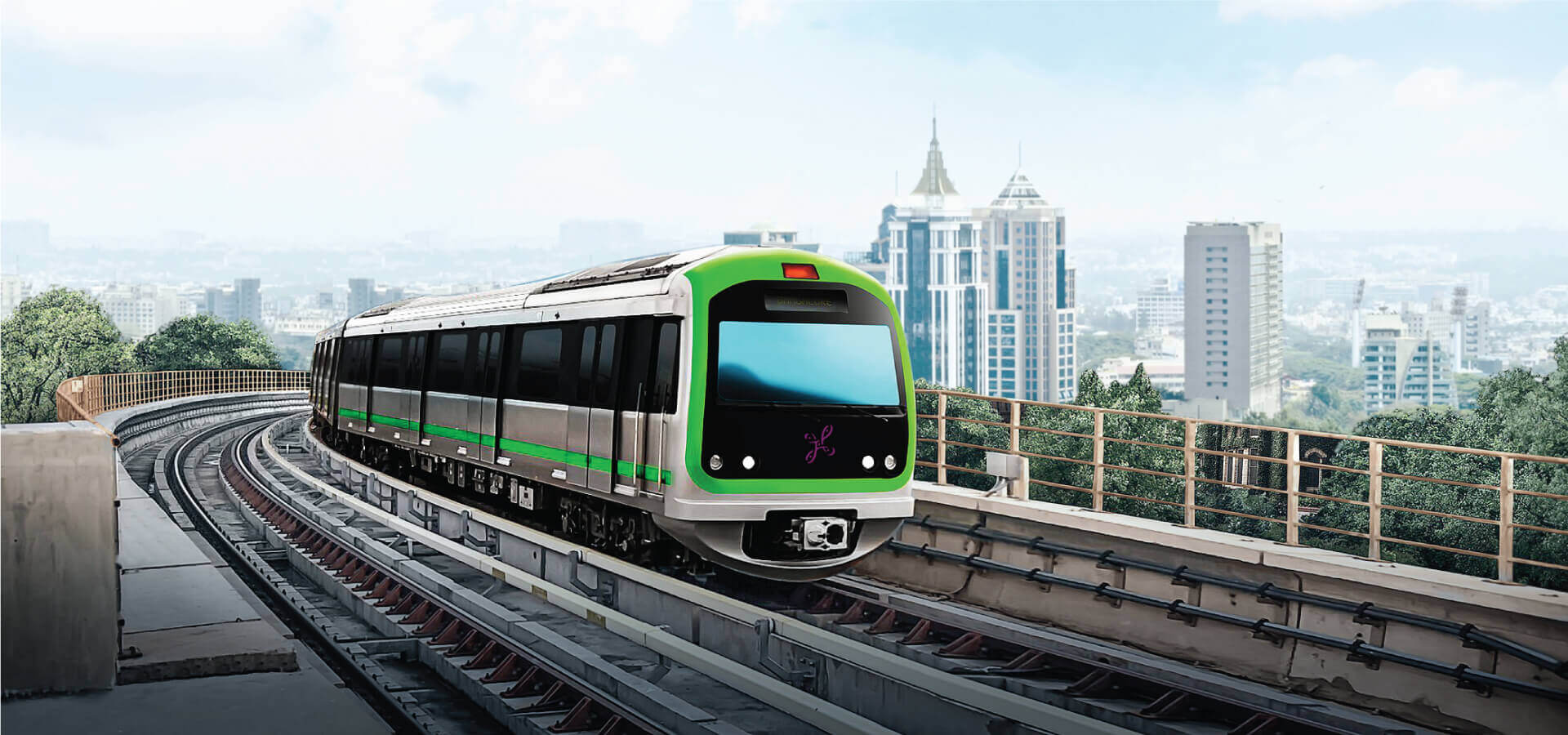
Bengaluru is set to become home to three of India’s tallest metro stations, part of the ongoing Namma Metro expansion along the RV Road Bommasandra corridor. The stations at Jayadeva Junction, Ragigudda and Central Silk Board are being constructed with multi-level designs to efficiently manage one of the city’s busiest traffic corridors. These developments highlight Bengaluru’s focus on modern, future-ready public transport infrastructure.
Industry experts note that multi-tiered station designs are increasingly critical in urban centres like Bengaluru, where high-density traffic and limited land parcels necessitate innovative engineering solutions. “Vertical station models allow for seamless integration of metro lines with surface transport, pedestrian pathways and commercial spaces, reducing commuter congestion,” said a senior transport planner involved in the project. Each station is being engineered to accommodate heavy passenger flows while ensuring operational efficiency and safety. The Jayadeva Junction station, near a major hospital and commercial hub, is expected to feature multiple levels for trains and concourses, with direct access to surrounding road networks. Ragigudda station is being designed to integrate with nearby residential and retail areas, offering commuter-friendly facilities. Central Silk Board, a historically congested intersection, will see a multi-layered station layout that separates ingress and egress traffic from train operations, easing peak-hour bottlenecks.
Beyond commuter convenience, the metro expansion aligns with sustainable urban development goals. Elevated, multi-level stations reduce the land footprint compared with sprawling horizontal layouts, supporting equitable land use and minimising ecological disruption. The project also includes provisions for energy-efficient systems, rainwater harvesting, and safe, accessible pedestrian pathways, reflecting Bengaluru’s commitment to inclusive, low-carbon urban mobility. Construction on these stations is progressing alongside the wider RV Road Bommasandra corridor extension, which will improve connectivity between southern and eastern parts of the city. Analysts predict that such infrastructure investments will boost local economic activity, increase real estate demand along the corridor, and promote transit-oriented development in adjacent neighbourhoods.
As Bengaluru continues to expand its metro network, these upcoming stations illustrate a strategic blend of architectural innovation, civic foresight, and sustainability. By prioritising multi-level designs, the city is setting a benchmark for urban transit infrastructure that balances commuter needs with long-term environmental and social considerations.
Also Read: Goa Gains New Tourism Push With Royal Orchid Regenta Place MARS Opening
