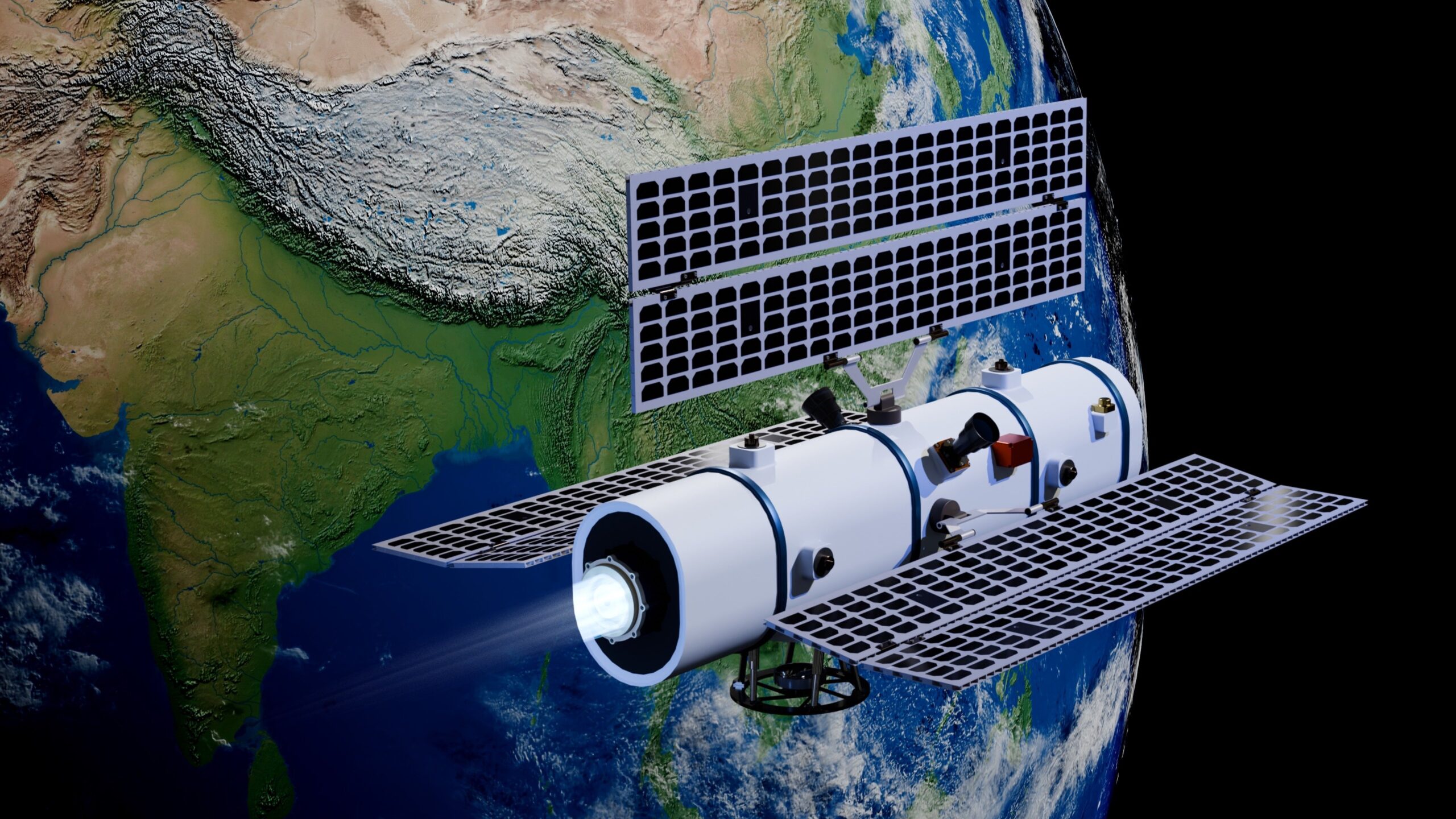
Bengaluru-based space technology initiatives have taken a significant step toward reshaping India’s satellite landscape, with a state-owned defence electronics company collaborating with a private aerospace startup to develop systems for very low Earth orbit (VLEO). The partnership signals a concerted push to build domestic capabilities in a satellite segment poised to transform communication, imaging, and environmental monitoring.
VLEO satellites operate between roughly 150 km and 450 km above Earth, significantly lower than conventional low Earth orbit platforms. This altitude offers advantages such as sharper imaging, reduced signal latency, and lower launch energy requirements. However, satellites at these heights face intense atmospheric drag, necessitating advanced propulsion and efficient design. Industry experts note that mastering this regime could make India a key player in next-generation satellite applications that support urban planning, disaster monitoring, and climate resilience. The joint venture seeks to combine the strengths of both organisations. The public sector firm brings decades of expertise in mission-critical electronics and strategic payloads, while the startup contributes agility in developing electric and environmentally friendly propulsion systems. Analysts suggest this collaboration exemplifies a broader trend in India’s aerospace sector: leveraging established manufacturing infrastructure alongside emerging technology ventures to accelerate innovation while building indigenous capability.
Urban and infrastructure implications are notable. High-resolution VLEO satellites can provide near real-time data for smart city initiatives, urban heat mapping, traffic flow analysis, and flood risk monitoring. By localising production and technology development, the collaboration may also reduce reliance on foreign suppliers for satellite components, ensuring more secure and sustainable urban monitoring solutions. Senior officials in urban planning indicate that better satellite data can enable equitable city development, targeting resources and services where they are most needed. The agreement also reflects environmental priorities in the satellite sector. Green propulsion systems reduce chemical waste and long-term space debris, aligning with global efforts to minimise the environmental footprint of space missions. Experts emphasise that as urban populations grow, integrating sustainable space technologies into civic planning is increasingly critical for climate-resilient city infrastructure.
Looking ahead, the partnership plans to design integrated satellite platforms capable of supporting both civilian and strategic objectives. Observers suggest that such developments could stimulate ancillary industries in Bengaluru and other technology hubs, from component manufacturing to data analytics services. For citizens, the tangible benefits may include faster connectivity, improved urban services, and enhanced disaster preparedness. As Indian cities aim to balance growth with sustainability, initiatives like this indicate that public-private collaboration in space technology could become a cornerstone for climate-conscious urban development and data-driven infrastructure planning.