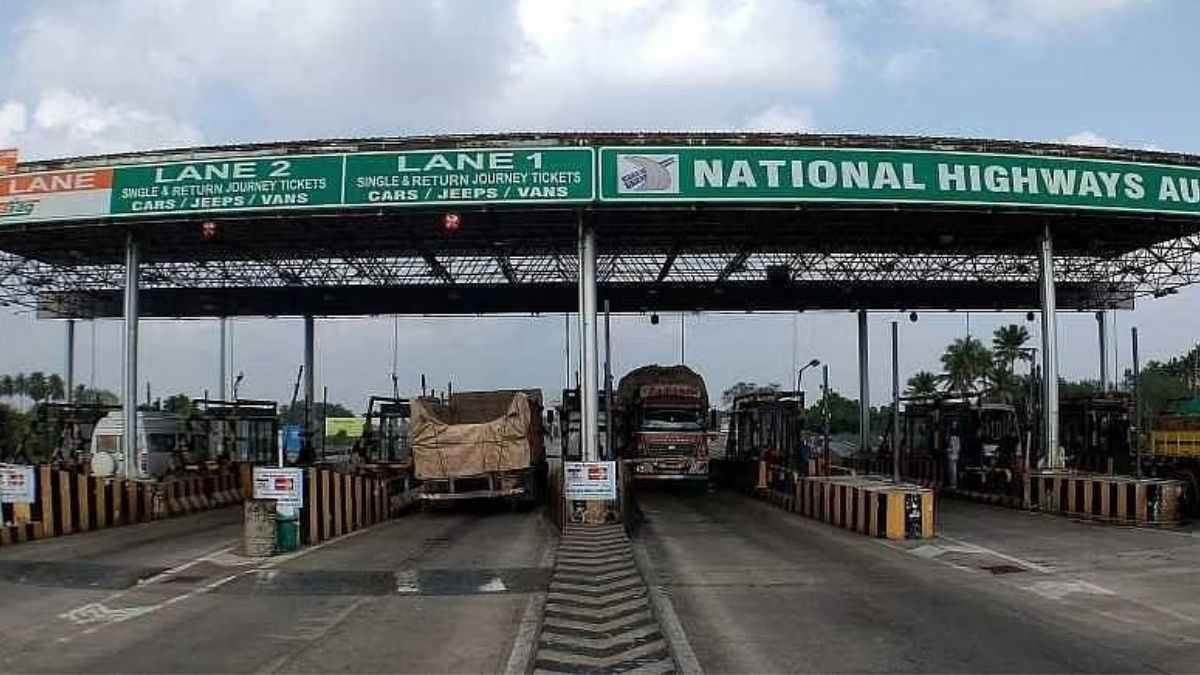
Commercial vehicle operators across Karnataka are voicing strong discontent over their exclusion from a newly announced annual FASTag pass scheme, which currently benefits only private vehicle users. This disparity, they argue, overlooks their substantial contribution to the economy and their far more frequent use of national highways, demanding equitable toll concessions. The unfolding debate highlights a critical juncture in urban policy, where the balance between promoting digital transactions and ensuring fair operational costs for the backbone of city logistics becomes paramount for fostering sustainable and equitable urban development.
The Ministry of Road Transport and Highways recently unveiled an annual FASTag pass, set to commence on August 15, 2025, offering private vehicle owners the ability to make up to 200 highway trips for a fixed cost of ₹3,000. This initiative aims to streamline toll payments and promote digital transactions, promising significant savings for private motorists. However, this policy has inadvertently created a chasm of discontent within the commercial transport sector, encompassing cabs, taxis, buses, trucks, goods carriers, and maxi cabs, who feel unjustly sidelined from similar benefits despite their integral role in daily commerce and public mobility.
Transport unions representing these commercial entities have lodged vehement objections, asserting that their operational models necessitate far more frequent highway travel, leading to significantly higher annual toll expenditures. Unlike private vehicles, which typically utilise national highways primarily for long-distance leisure travel, commercial vehicles traverse hundreds of kilometres daily, crossing numerous toll plazas across multiple states. This fundamental difference in usage patterns, they contend, makes them the primary candidates for any intended toll relief, as their operational costs directly impact the affordability of goods and services for the wider public.
For instance, a single cab operator can incur over ₹30,000 annually in toll fees alone. For fleet owners managing dozens of vehicles, this cost multiplies exponentially, rendering current expenses “exorbitant and unsustainable.” The rising costs of fuel and vehicle maintenance already place considerable strain on these businesses, and the absence of a concessional toll package further exacerbates their financial burden. These enterprises, often small-scale operators, form the very backbone of logistics, public transport, and urban mobility, facilitating the movement of people and goods essential for a functioning city. Without adequate support, many face the genuine risk of operational unsustainability, threatening the seamless flow of urban life.
The formal request submitted to the Union Ministry underscores the urgency of their plea. The core argument rests on the principle of fairness and the recognition of commercial transport as an essential service. Extending similar annual pass options to commercial vehicle operators would not only significantly reduce their operational costs but also contribute to a more stable and predictable business environment. This stability is crucial for maintaining competitive pricing in logistics and public transport, which in turn benefits consumers and supports an equitable urban economy where access to affordable transport and goods is not compromised by escalating operational overheads.
From an urban planning perspective, the equitable treatment of commercial transport operators is vital for achieving sustainable and eco-friendly cities. If the cost burden on commercial vehicles becomes prohibitive, it could lead to less efficient logistical practices, potentially pushing more freight onto smaller, less regulated vehicles or even discouraging the use of organised transport. This could result in increased carbon emissions, greater road congestion, and a fragmented transport ecosystem, directly undermining efforts towards zero net carbon and greener urban environments. A well-supported commercial transport sector is a cornerstone of a sustainable urban future.
The government’s stated intention behind the private vehicle pass was to provide “big relief to the public” and reduce average toll fees. While this is a commendable objective, the commercial sector argues that true public relief extends beyond individual car owners. The efficiency and cost-effectiveness of commercial transport directly influence consumer prices and the accessibility of goods and services. Therefore, a holistic approach to toll policy must consider the entire transport ecosystem, ensuring that policies designed for public benefit do not inadvertently create undue burdens on essential service providers.
The amendment to Rule 9 under the National Highways Fee (Determination of Rates and Collection) Rules, 2008, to implement the annual pass system, along with the development of a dedicated portal for purchasing and renewing the pass, demonstrates the administrative capacity to implement such schemes. This existing framework could potentially be adapted to include commercial vehicles, offering a pathway to resolve the current impasse. A balanced policy that supports both private citizens and the commercial backbone of urban life is essential for fostering resilient, sustainable, and truly equitable cities where economic growth aligns with social well-being and environmental responsibility.