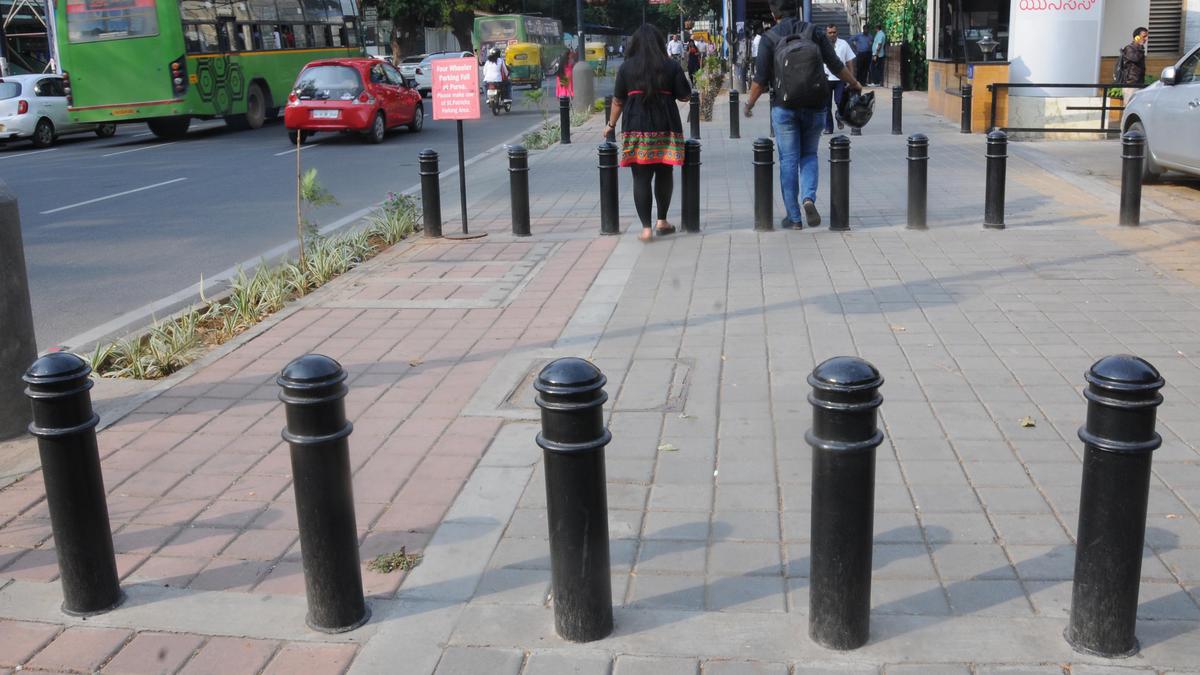
Bengaluru civic drive clears footpaths and restores public spaces
Bengaluru has launched a sweeping civic clean-up campaign aimed at reclaiming public pathways, enhancing hygiene, and addressing long-standing concerns over encroachment. The initiative, rolled out across six city zones, underscores a growing emphasis on building walkable, eco-friendly urban environments at a time when Indian cities are struggling with rapid urbanisation, solid waste mismanagement, and shrinking public spaces.
The operation, steered by the city’s civic body in partnership with its waste management agency, has deployed heavy machinery, tractors, and large ground crews to execute simultaneous clean-up and anti-encroachment actions. Officials say the campaign is designed to create obstruction-free movement for pedestrians while reinforcing Bengaluru’s push toward sustainable and citizen-friendly infrastructure.
Early interventions have already transformed visible stretches of the city. In the eastern corridor, the once-congested belt between Anepalya Junction and Residency Road saw damaged footpath slabs replaced, debris cleared, and overgrown branches trimmed to allow safer pedestrian access. Encroachments on arterial roads, including busy retail high streets, were removed, creating long-overdue breathing space for daily commuters. In the western parts of Bengaluru, known for dense residential and industrial activity, clean-up teams restored order in critical pockets such as Rajajinagar and Malleswaram. Authorities removed roadside obstructions and waste accumulation that had long reduced pedestrian mobility. Meanwhile, in southern neighbourhoods, footpaths around Deepanjali Nagar and near Kempambudhi Lake were cleared of unauthorised pushcarts and hoardings, ensuring smoother access for walkers and local businesses alike.
Northern zones such as Yelahanka witnessed not just road and footpath cleaning but also checks on single-use plastics and tobacco control violations, signalling the administration’s intent to integrate public health priorities with urban governance. In Rajarajeshwari Nagar, roadside waste was cleared and saplings were planted along the Kengeri Lake precinct, reflecting an ecological touch that ties the city’s green agenda with civic renewal. Experts note that such measures are essential if Bengaluru is to make the transition into a zero-net carbon and climate-smart city. Encroached footpaths and unmanaged waste not only inconvenience citizens but also undermine the inclusivity and safety of urban spaces, particularly for women, children, and the elderly. Equally, unchecked encroachment fuels flooding and waste overflow, multiplying environmental hazards during monsoons.
While the campaign marks a visible shift in urban governance, urban planners caution that periodic drives must evolve into sustained policy frameworks. Without continuous enforcement, citizen participation, and stricter penalties for violations, the risk remains that reclaimed public spaces may again be overtaken by commercial interests or civic neglect. For now, Bengaluru’s fresh clean-up push is a signal that its civic administration is willing to act on long-standing complaints. Whether this translates into long-term behavioural and infrastructural change will determine if the city can truly balance its growth aspirations with a sustainable and equitable urban future.