


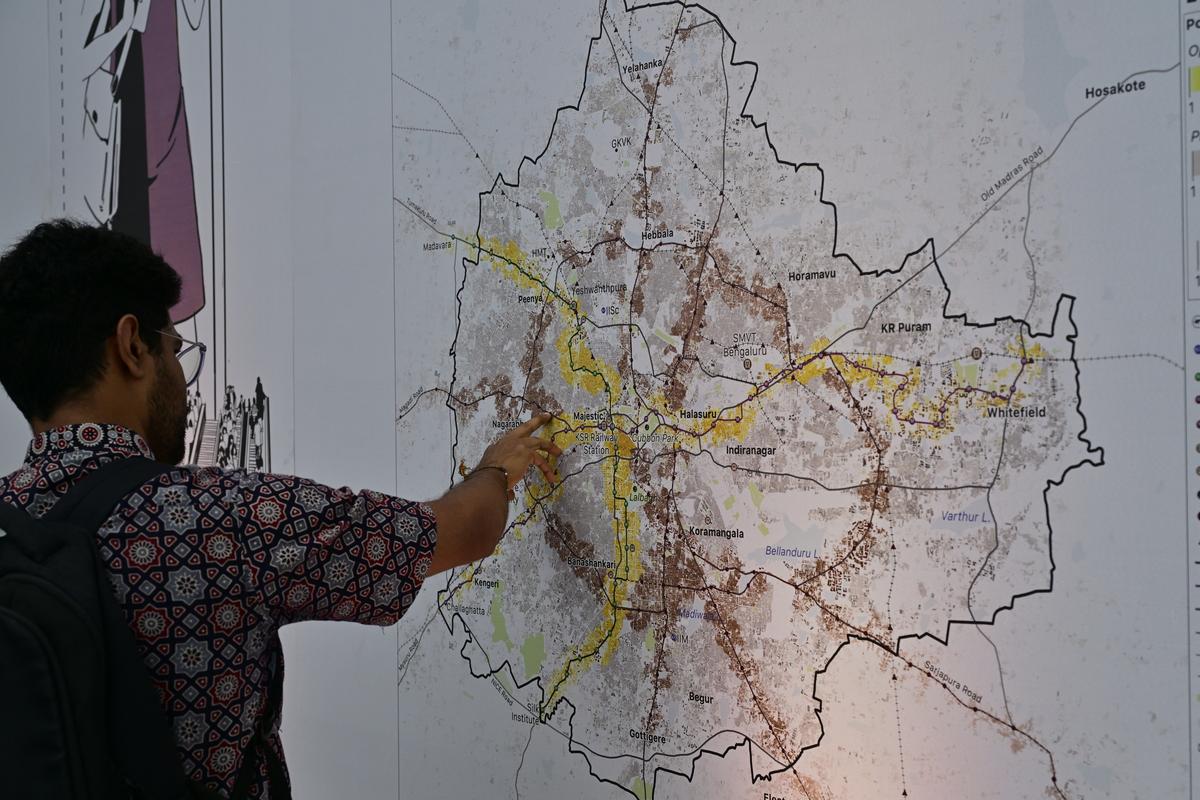
Bengaluru is set to finalise its civic budgets over two days of deliberations, a process that will determine funding priorities for infrastructure, public services and urban development in one of India’s fastest-growing metropolitan regions.
The outcome is expected to influence how the city addresses long-standing challenges around mobility, waste management and climate resilience.The budgeting exercise, led by Bruhat Bengaluru Mahanagara Palike, comes at a time when Bengaluru is grappling with increasing pressure on its urban systems. Rapid population growth, expanding real estate activity and rising demand for services have intensified the need for targeted investments. Urban finance experts note that civic budgets play a crucial role in translating policy goals into on-ground infrastructure improvements.Key areas of focus are likely to include road networks, stormwater drainage and solid waste management—sectors that directly affect daily life and economic productivity. Bengaluru’s recurring issues with flooding during heavy rainfall have highlighted the importance of climate-resilient infrastructure. Allocations towards drainage upgrades and lake rejuvenation are expected to be closely watched by urban planners and environmental groups.Mobility remains another central concern. With traffic congestion impacting commute times and business efficiency, investments in road maintenance, public transport integration and last-mile connectivity are seen as essential.
Experts suggest that aligning civic spending with larger transport projects, such as metro expansion, could improve overall network efficiency and reduce reliance on private vehicles.The Bengaluru civic budgets will also have implications for real estate and urban expansion. Infrastructure investments often influence land values and development patterns, particularly in peripheral areas. Improved connectivity and services can attract residential and commercial projects, shaping the city’s growth trajectory. However, planners caution that such expansion must be managed carefully to avoid unplanned sprawl and ensure equitable access to services.Financial sustainability is another key issue. Civic bodies across India face constraints in revenue generation, relying heavily on property taxes, grants and user charges. Strengthening revenue streams while maintaining affordability for residents will be critical to ensuring that planned projects are executed effectively.Transparency and accountability in budget allocation are also seen as important factors in building public trust.Social infrastructure, including public health facilities, parks and community spaces, is expected to feature in the discussions. Experts emphasise that investments in these areas contribute to inclusive urban development, improving quality of life and supporting long-term economic growth.
As Bengaluru moves forward with its budgeting process, the focus will be on balancing immediate infrastructure needs with long-term sustainability goals. The decisions taken over these sessions are likely to shape not only the city’s physical landscape but also its ability to evolve into a more resilient, efficient and people-centric urban environment.
Also Read:Bengaluru Flight Diversion Highlights Aviation Safety Challenges
