


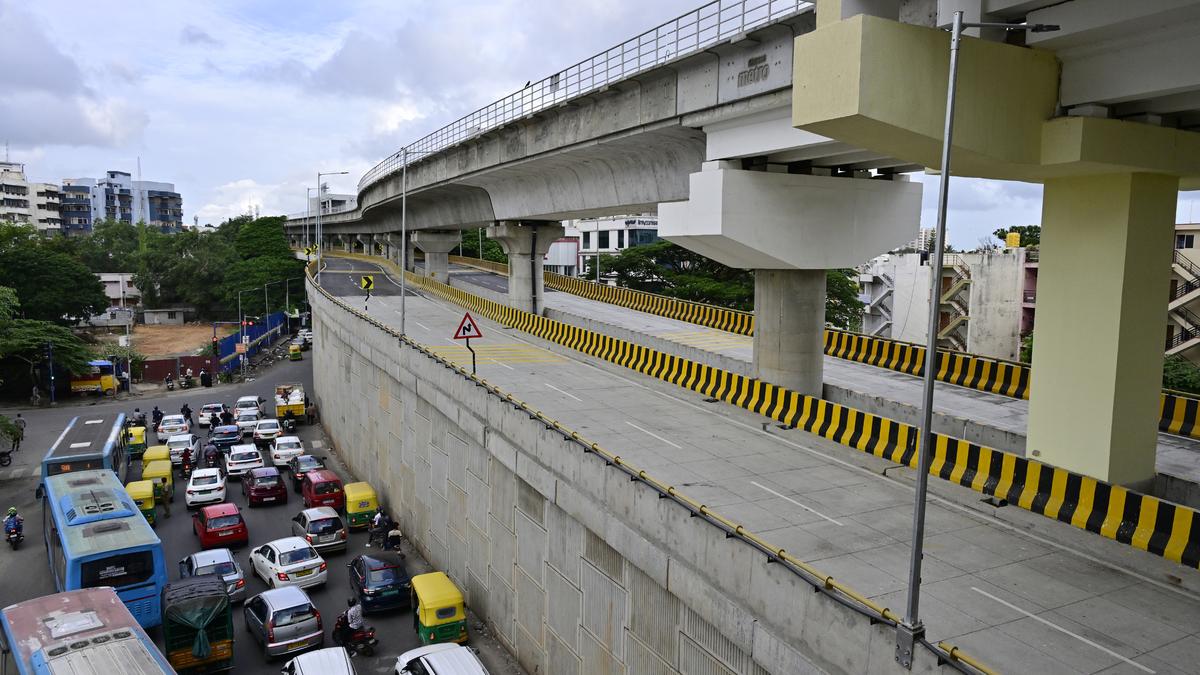
Fresh budget proposals from local civic bodies in Bengaluru are signalling a renewed push to address long-standing infrastructure and service gaps, particularly in rapidly urbanising eastern and central zones.
The plans aim to strengthen basic urban systems while supporting economic activity in one of India’s fastest-growing metropolitan regions.Officials indicate that the Bengaluru civic budget places emphasis on improving road networks, waste management, drainage systems, and public amenities. These priorities reflect mounting pressure on civic infrastructure as population density rises and land use intensifies in key corridors. With many neighbourhoods experiencing uneven development, targeted spending is expected to address disparities in service delivery.Urban planners note that the Bengaluru civic budget represents an attempt to align financial planning with on-ground urban realities. In recent years, the city’s expansion has outpaced infrastructure provisioning, leading to congestion, flooding risks, and strain on essential services. By focusing on core systems, authorities are seeking to stabilise urban growth and improve liveability.A notable aspect of the budgeting approach is the focus on decentralised governance. With multiple civic entities responsible for different zones, there is an increasing effort to tailor spending to local needs. Experts suggest that this model can enhance efficiency, provided coordination mechanisms are strong and data-driven planning is adopted across jurisdictions.The economic implications are also significant. Infrastructure upgrades in high-growth areas can unlock real estate potential, attract investment, and support job creation.
Improved connectivity and service reliability are particularly critical for Bengaluru’s technology and services sectors, which rely on efficient urban systems to sustain productivity. However, analysts caution that outcomes will depend on timely execution and transparent fund utilisation.Sustainability considerations are gradually being integrated into the planning framework. Drainage improvements, for instance, are linked to climate resilience by addressing urban flooding risks, while waste management reforms can contribute to reduced environmental impact. Experts emphasise that embedding such measures within the Bengaluru civic budget is essential for building long-term resilience in the face of climate variability.At the same time, challenges remain around resource mobilisation and fiscal discipline. Municipal revenues are often constrained by collection inefficiencies and competing expenditure demands. Industry observers argue that innovative financing mechanisms, along with improved governance, will be key to sustaining infrastructure investments over time.The success of these budget plans will ultimately depend on implementation capacity. Citizens and stakeholders are increasingly demanding accountability, particularly in a city where infrastructure bottlenecks directly affect quality of life and economic performance. Strengthening monitoring systems and ensuring community participation could help bridge the gap between policy intent and outcomes.
As Bengaluru continues to evolve, the direction set by the Bengaluru civic budget will play a crucial role in shaping its urban trajectory. The focus now shifts to execution—whether planned investments can translate into tangible improvements that make the city more inclusive, resilient, and economically competitive.
Also Read:Bengaluru Flexible Workspace Expansion Drives Office Market Shift
