


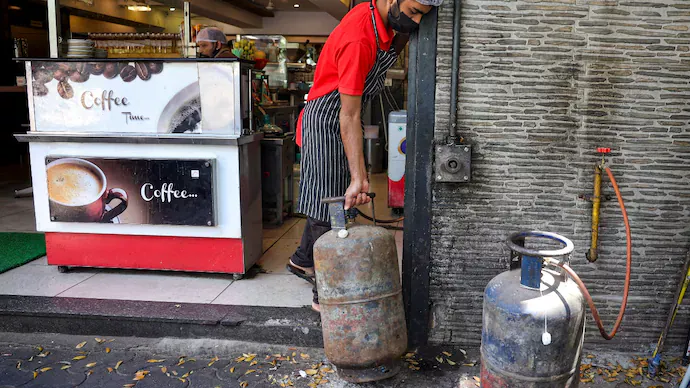
Restaurants and speciality cafés across Bengaluru are reshaping kitchen operations as an ongoing shortage of liquefied petroleum gas disrupts routine food preparation in the city’s hospitality sector.
Many establishments have begun redesigning menus and shifting to simpler, low-flame dishes to maintain service, highlighting how urban businesses adapt quickly when critical energy supplies become uncertain.
The Bengaluru cafes LPG shortage situation has forced several food outlets to reduce menu complexity and rely more heavily on baked goods, pre-prepared items and dishes that require minimal gas-based cooking. Café operators say these adjustments are helping kitchens continue functioning while they manage inconsistent fuel deliveries.Food service businesses in high-footfall areas such as commercial districts and residential neighbourhoods have been particularly affected. Restaurant managers indicate that supply disruptions have made it difficult to sustain full-scale cooking operations that depend on continuous LPG use for stoves, grills and other equipment.In response, many cafés have begun prioritising menu items that can be prepared using electric appliances such as induction cooktops, ovens or coffee machines. These include baked snacks, sandwiches and ready-to-assemble meals that require limited heat-based cooking. Operators say the approach allows them to continue serving customers while conserving available fuel for essential preparations.Industry observers note that the Bengaluru cafes LPG shortage reflects a broader vulnerability in urban hospitality infrastructure. Commercial kitchens typically rely on LPG because it provides a reliable and cost-effective energy source for high-temperature cooking.However, when supply chains are disrupted, restaurants must quickly reconfigure their workflows to avoid shutting down entirely.
Small and independent cafés are particularly sensitive to such disruptions, as they often operate with limited storage capacity for fuel cylinders. Unlike large hotel kitchens that maintain backup systems, smaller outlets depend on timely cylinder deliveries to sustain daily operations.Urban energy analysts say the current disruption highlights the need for more diversified energy systems within city-based food businesses. The integration of electric cooking technologies, improved kitchen efficiency and energy backup systems could help reduce reliance on a single fuel source during supply shocks.The Bengaluru cafes LPG shortage also illustrates how energy disruptions ripple through urban economies. Hospitality businesses support thousands of workers and contribute significantly to local commercial activity. When kitchens face operational constraints, the effects can extend to supply chains, delivery services and small-scale food vendors that depend on restaurant demand.Urban planners increasingly view resilient energy infrastructure as a critical component of sustainable city development. Reliable access to cooking energy affects not only households but also commercial establishments that form part of a city’s social and economic fabric.While LPG supplies are expected to stabilise as distribution networks adjust, the recent experience may prompt some food businesses to reconsider their kitchen design and energy strategies. Investing in hybrid cooking systems that combine gas and electric technologies could provide greater flexibility during future disruptions.
For Bengaluru’s café culture, which thrives on innovation and adaptability, the response to the Bengaluru cafes LPG shortage demonstrates how small operational changes can help businesses remain functional even when urban supply systems face temporary strain.
Also Read:Kolkata Kerosene Supply Expanded During LPG Shortage
