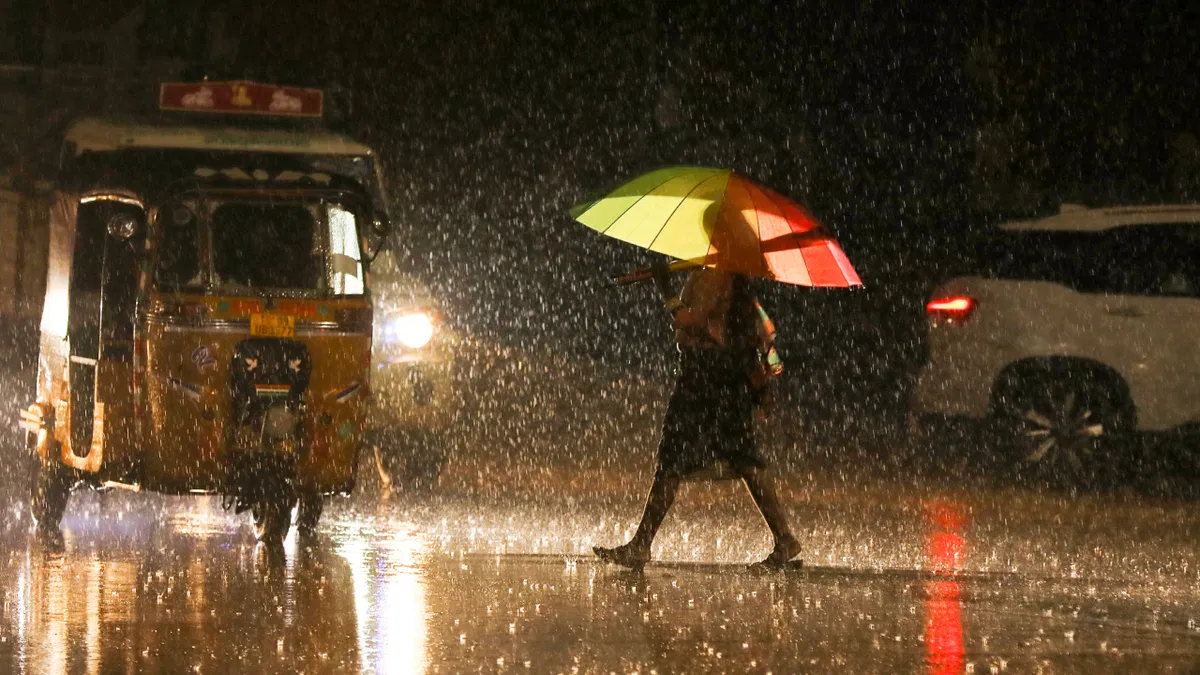
Bengaluru Braces For Heavy Rains As Cloudy Skies Linger Till July 28
A prolonged spell of rain forecast by weather officials has cast a grey veil over the city, as Bengaluru faces continuous downpours and cloudy skies until July 28. With waterlogging alerts and temperature drops, civic agencies are urging caution across low-lying neighbourhoods. Meteorologists project relief from recent heat but warn of traffic congestion, flooded streets, and short power disruptions. Citizens are advised to avoid non-essential travel, monitor real-time advisories, and prepare for possible rainfall-induced disruptions.
City authorities are on alert as the India Meteorological Department (IMD) continues to issue warnings of moderate to heavy rainfall across Bengaluru, impacting daily mobility and civic infrastructure. The current weather system, according to officials, is expected to cool the city with a 2–4°C temperature dip, bringing maximum temperatures closer to 24°C. However, this respite comes at the cost of disruptions—especially in flood-prone and low-lying regions. Officials at the Karnataka State Natural Disaster Monitoring Centre (KSNDMC) have echoed IMD forecasts, highlighting a likelihood of very heavy showers in coastal and inland areas, with possible implications for drainage systems, public utilities, and emergency services. Environmentalists believe this spell reaffirms the urgency for resilient urban planning and stormwater infrastructure, especially as Bengaluru continues to witness irregular and intense monsoon patterns under changing climate conditions.
Commuters have been advised to carry rain gear and prepare for delayed travel, particularly in core traffic corridors and under-construction zones that are susceptible to waterlogging. Public safety campaigns by local agencies have been circulated across social media, cautioning residents against venturing out during peak rainfall hours. While rain offers relief from a scorching July, it also strains already-overburdened civic amenities, from clogged drains to unstable electricity supply lines. Power cuts and internet blackouts have been reported sporadically in the past few days, especially during early morning and late-night showers. Residents in hilly regions and near stormwater drains are on alert, with community-based WhatsApp groups sharing live updates and civic helpline numbers.
Beyond Bengaluru, other southern states including Tamil Nadu, Kerala, and parts of Maharashtra are also experiencing active monsoon conditions. IMD updates suggest a widespread weather system affecting multiple coastal and central Indian states, further delaying agricultural schedules and supply chain movements. In Bengaluru, the current rain pattern is expected to shift from moderate to heavy over the next 72 hours, with the possibility of flash flooding if urban runoff is not managed efficiently. Experts suggest improved forecasting models, climate-resilient infrastructure, and decentralised water harvesting to tackle both urban flooding and water scarcity in the long term.
Urban planners and environmental advocates argue that Bengaluru’s frequent rain-related disruptions reflect structural gaps in the city’s ability to adapt to monsoon variability. While weather patterns are increasingly erratic, city roads, stormwater drains, and electrical grids remain underdeveloped or overburdened. Local officials say steps are being taken to desilt major drains, strengthen civic coordination, and ensure responsive disaster communication. However, residents feel more consistent infrastructure investments and climate-responsive urban governance are critical to transform short-term relief into long-term preparedness.