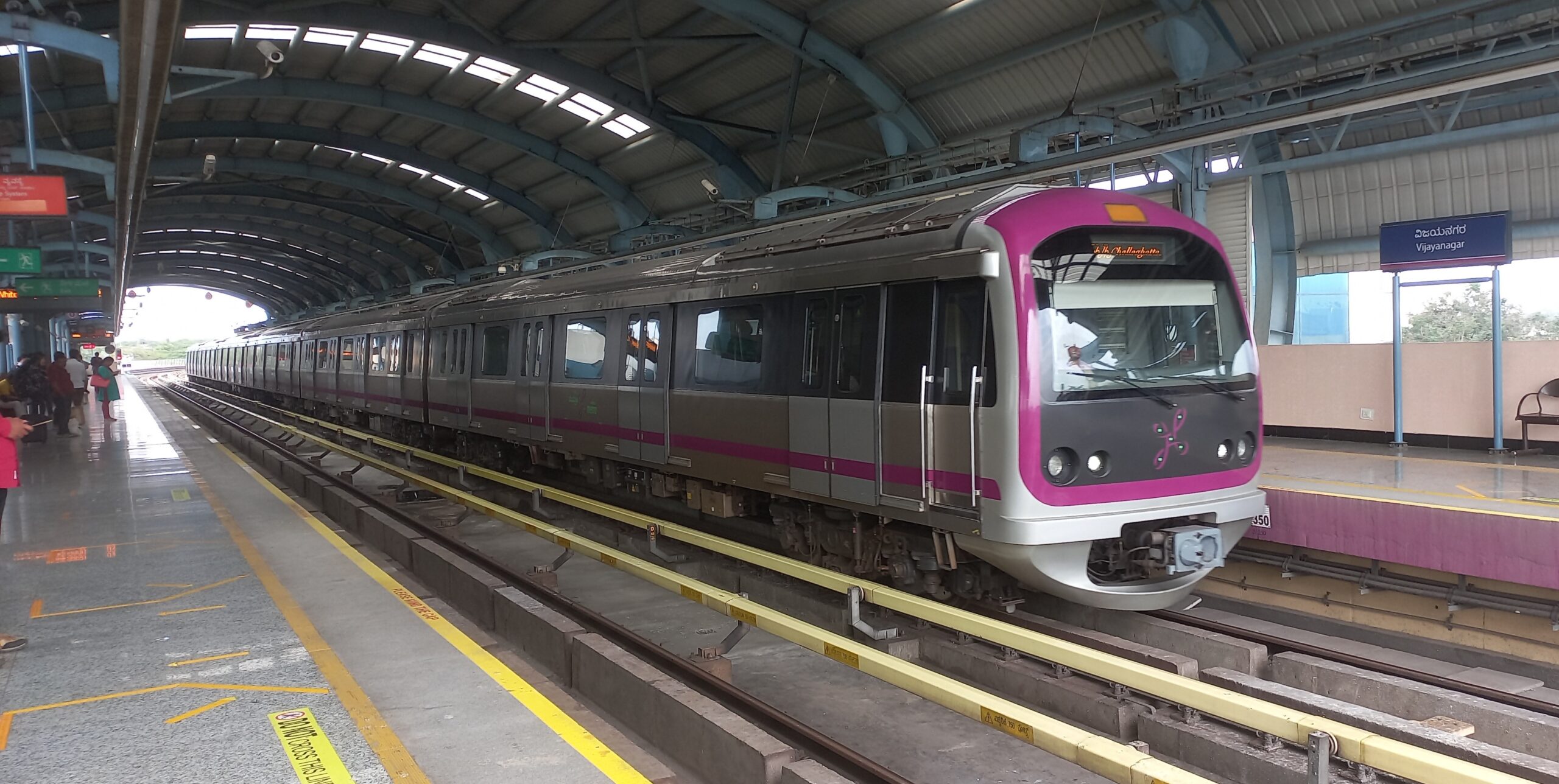
Bengaluru’s public transport landscape could be heading for a structural shift in fare policy, with Bengaluru Metro Rail Corporation Limited (BMRCL) examining the possibility of revising metro ticket prices annually. A proposal discussed internally suggests a potential five per cent fare increase every year, a move that has triggered concern among commuter groups and renewed debate around affordability and inclusive urban mobility.
The proposal stems from recommendations made by a statutory fare revision committee constituted under the Metro Rail Operations and Maintenance framework. According to officials familiar with the process, the committee’s assessment links future fare revisions to rising operational expenses, energy costs, and long-term debt servicing obligations. While no final decision has been announced, the proposal signals a departure from Bengaluru Metro’s earlier approach of infrequent, large fare revisions. BMRCL last revised fares in 2017. Since then, the cost base of running the network has expanded significantly. Operational expenditure has risen sharply, driven by higher staff costs, increased electricity tariffs, and the growing complexity of maintaining an expanding rail system. Financial projections indicate that between 2024–25 and 2029–30, the corporation will need to service loan repayments exceeding ₹10,000 crore, largely linked to network expansion and rolling stock procurement.
Urban transport experts note that predictable, moderate fare revisions are increasingly being adopted by metro systems globally to avoid sudden shocks to commuters and to ensure financial sustainability. However, Bengaluru’s case is complicated by income disparities and the absence of a unified, city-wide fare integration across buses, suburban rail, and metro services. Commuter organisations and civil society groups argue that even modest annual hikes could disproportionately affect daily wage earners, students, and lower-middle-income households who rely on the metro to avoid costly and time-consuming road travel. They point out that metro ridership is critical not just for revenue, but for reducing congestion, emissions, and fuel consumption in a city already struggling with traffic saturation.
Transport economists suggest that fare decisions should be assessed alongside service quality, last-mile connectivity, and alternative revenue streams such as property development, station-area commercialisation, and advertising. They argue that over-reliance on passenger fares risks undermining the metro’s role as a public good rather than a purely commercial service.
Senior officials indicate that any fare revision would require approval from the BMRCL board and further consultation with the state government. The timing and scale of any increase remain undecided, and authorities have signalled that commuter impact will be considered before a final call is taken.
As Bengaluru continues to expand its metro network, the debate over annual fare increases highlights a larger challenge facing Indian cities: balancing financial viability with equitable access to clean, mass public transport. The outcome will shape not just metro pricing, but how urban mobility evolves in one of India’s fastest-growing regions.