


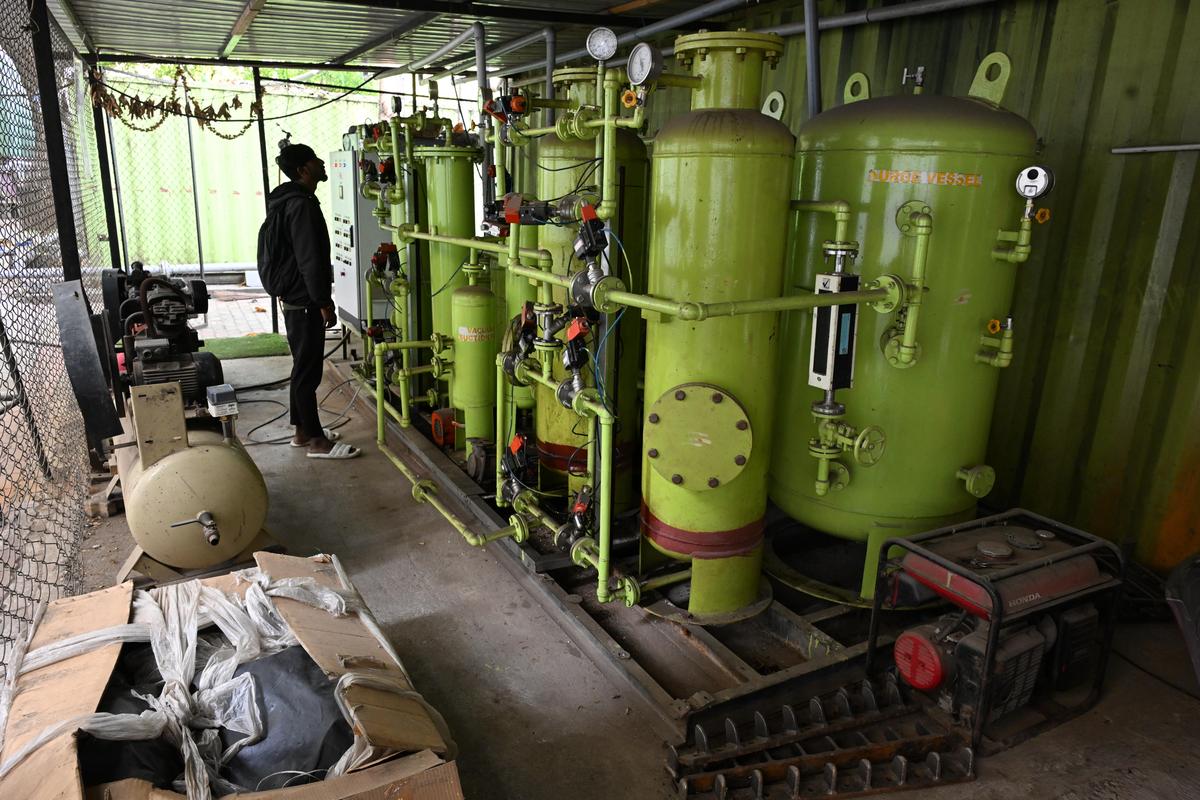
Bengaluru is accelerating plans to convert large volumes of organic waste into renewable energy as part of a broader strategy to improve waste management and reduce landfill pressure.
Under a new Bengaluru biogas expansion programme, city authorities aim to process thousands of tonnes of wet waste daily through decentralised biomethanation plants, generating clean fuel for households, businesses and local industries.Municipal administrators say the initiative is designed to tackle one of the city’s most persistent urban challenges — managing rapidly growing waste volumes while cutting emissions and improving environmental sustainability. Bengaluru generates several thousand tonnes of municipal waste each day, a large portion of which consists of biodegradable material such as food scraps and organic refuse.
By converting this waste into biogas, city planners hope to reduce landfill dependency while producing an alternative source of energy that can support the city’s transition towards low-carbon infrastructure. The Bengaluru biogas expansion initiative includes new large-scale processing facilities as well as upgrades to smaller decentralised plants already operating within the urban waste management system.Officials overseeing solid waste management confirmed that multiple new biomethanation facilities are being developed across the metropolitan region. One major plant planned in the Koramangala area will process hundreds of tonnes of wet waste daily through a collaboration with a public sector energy company. Another large facility proposed in the city’s eastern zone is expected to handle significantly higher waste volumes once operational.A smaller plant in the western part of the city is already producing Bio-CNG from organic waste, demonstrating the potential for turning municipal refuse into marketable clean fuel. The gas produced from these facilities can be supplied to nearby commercial establishments, food businesses and other urban consumers.
Urban sustainability experts say decentralised biomethanation plants can significantly improve waste processing efficiency in large cities. Instead of transporting wet waste long distances to landfill sites, organic material can be treated closer to where it is generated, reducing transportation costs and environmental impacts.Authorities are also examining ways to distribute biogas through dedicated pipelines to nearby residential complexes, hotels and commercial kitchens. Such systems could create localised clean-energy networks that reduce dependence on conventional fossil fuels used for cooking and heating.As part of the Bengaluru biogas expansion, officials are also working to revive several biomethanation plants that had previously stopped operating. Upgrading these facilities will help restore processing capacity and integrate them into the city’s evolving waste-to-energy network.Urban planners say land availability remains a key factor in scaling up these projects, as each processing site requires several acres for waste handling, digestion units and gas storage infrastructure. Municipal agencies are currently identifying suitable locations across different zones of the city.Environmental analysts note that converting organic waste into energy aligns with the broader goals of climate-resilient urban development. When properly managed, biomethanation systems can reduce methane emissions from landfills while generating renewable fuel and supporting a circular urban economy.
If implemented successfully, the Bengaluru biogas expansion programme could transform the city’s waste management approach — turning what was once a disposal problem into a valuable source of clean energy for an increasingly resource-constrained urban future.
Also Read:Bengaluru Traffic Congestion Slows Short Daily Commutes
