


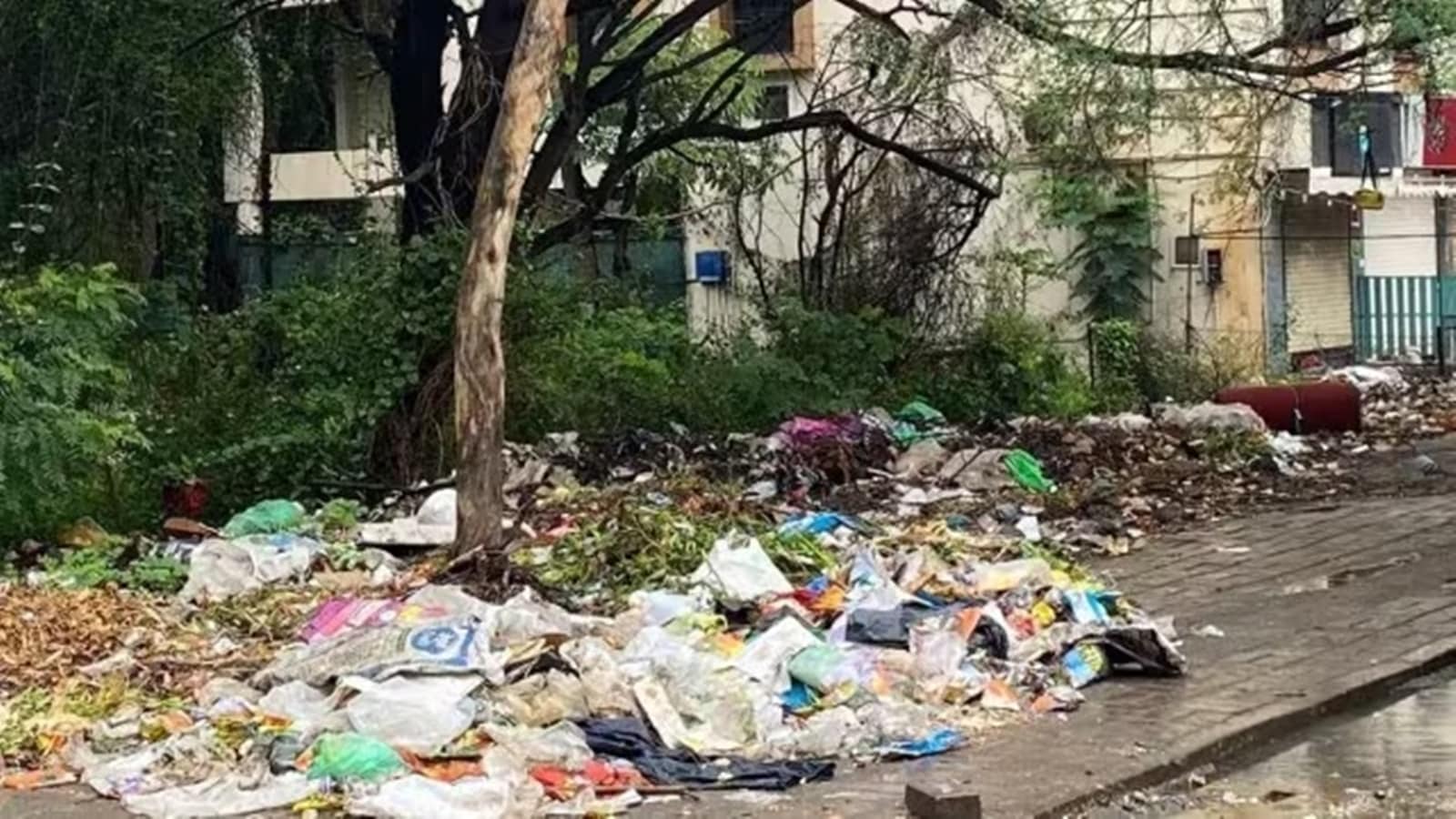
Bengaluru’s civic chief has launched an assertive campaign against roadside littering, issuing a Rs 5,000 penalty to a Hebbal Yamaha showroom and ordering the immediate clearance of garbage dumps, including a notorious black spot near Amruth Sagar Hotel. The move underscores a renewed commitment to cleaner, eco‑friendly urban spaces.
While inspecting flyover construction in Hebbal, the BBMP Commissioner spotted waste dumped by the showroom. He instructed marshals to enforce fines and maintain vigilant oversight of public areas. Monitoring efforts have now intensified across the city, reflecting a zero‑tolerance stance towards littering . Attention also turned to pedestrian infrastructure, as officials inspected the walkway near Baptist Hospital. The civic chief stressed that the path must allow unhindered movement and ordered swift repairs to any damaged sections. Concrete action followed when BBMP marshals and BSWML teams cleared a longstanding garbage accumulation on 4th Main Road, deploying an auto tipper to restore cleanliness .
In an effort to foster engagement, BSWML has launched a dedicated WhatsApp line—9448197197—for citizens to report dumping incidents. The service, which allows users to send photos of violations, ensures timely feedback from authorities once the issue is resolved. This crackdown aligns closely with Bengaluru’s larger goal of creating zero‑net‑carbon, sustainable, and equitable urban landscapes. Roadside litter not only mars the city’s aesthetic—turning pavements and green verges into dumping grounds—but also undermines inclusive public health and mobility. Dump sites obstruct drains during monsoons, exacerbating flooding and disease risk, disproportionately affecting the elderly, women and children.
By reinforcing enforcement and swiftly closing black spots, the BBMP chief aims to instil civic responsibility. But experts say sustainable success lies in combining punitive measures with infrastructure: expanding bin access, increasing collection frequency, education drives, and integrating waste segregation—all while deploying reusable public bins to prevent litter culture from re‑emerging . To ensure gender‑neutral equity, cleanliness drives must consider safe pedestrian paths, especially around hospitals, schools, and transit nodes. Clean walkways support independent mobility for women, elderly and those with disabilities.
This latest initiative signals greater BBMP responsiveness, echoing its recent clampdown on illegal flexes and banners. But sustainable progress demands sustained civic habits, infrastructure investment, and community participation. With action underway—fines, clearances and citizen reporting—Bengaluru’s civic administration has seized a moment to pivot towards a cleaner, greener future. Whether this becomes a lasting transformation depends on follow‑through and citizen buy‑in, weaving litter prevention into daily urban life.
Also Read :BMC auctions Crawford Market plot for 13 percent below reserve
