


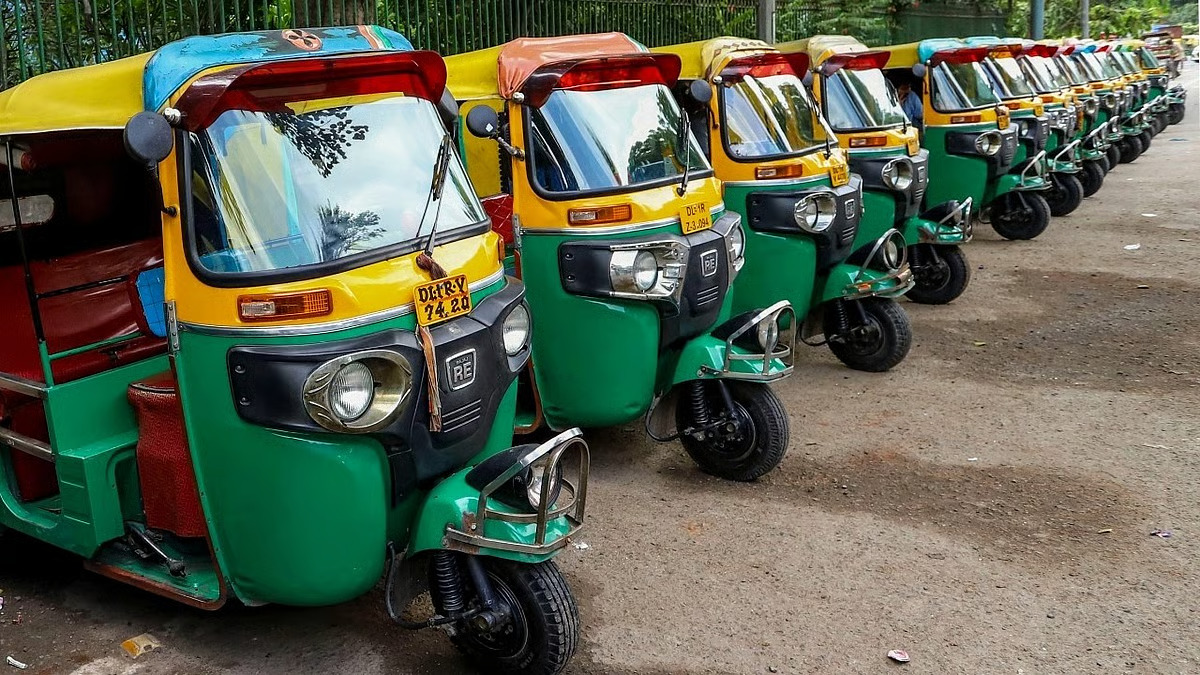
Bengaluru’s revised auto fare structure, set to take effect from August 1, has triggered strong resistance from the city’s auto driver community, with nearly 50,000 drivers expected to join a large-scale protest. The move to hike base fares has exposed sharp divisions between government policy and ground realities, raising wider questions about equitable and sustainable urban transport planning.
According to the new fare structure, the base charge for auto rickshaws will be Rs 36 for the first 2 km and Rs 18 for every additional kilometre. This replaces the previous structure of Rs 30 for the first 1.9 km and Rs 15 per km thereafter, which has been in effect since 2021. While the new fare was announced as a long-overdue revision to adjust for inflation and fuel prices, unions argue that the increase is neither adequate nor aligned with real operating costs. Driver associations have taken a firm stance, advising members not to recalibrate their meters until the state government reconsiders their concerns. Their demands include a more reasonable base fare of Rs 40 and a per kilometre rate of Rs 20. They also insist that fares be rounded off, citing difficulties in handling exact change due to declining UPI usage among passengers.
Auto drivers are further concerned about the lack of readiness for implementation. Officials from the Legal Metrology Department have confirmed that no instructions have been issued regarding the recalibration of meters. Given the scale — over 3.6 lakh registered autos in Bengaluru — even a minor logistical delay could result in widespread chaos on city roads. A transport department official stated that the fare revision was finalised after comprehensive consultations and data analysis. However, drivers contest this claim, saying they were not adequately involved in the process. They argue that real-world concerns such as traffic congestion, maintenance costs, and daily fuel price volatility have been overlooked in the final decision.
With the Regional Transport Office (RTO) and traffic police instructed to ensure strict compliance, authorities have warned that non-compliance could lead to the suspension of vehicle permits or fitness certificates. Yet unions remain undeterred, asserting that they will not accept a fare revision that fails to meet the basic standards of fairness and sustainability. At the heart of the issue lies a broader debate — how can Indian cities reform and modernise public transport without leaving behind those who operate it? While fare hikes are often seen as inevitable, stakeholders argue that inclusive policymaking, grounded in lived experience and economic equity, is the only way forward.
As the standoff continues, Bengaluru’s auto fare conflict reflects a larger national challenge: building people-first cities where the interests of service providers and users are balanced through transparent, participatory governance.
Also Read : Delhi Air Quality Improves Significantly In July, AQI Hits 79
