Bengaluru Authorities Disrupt Major Narcotics Operation
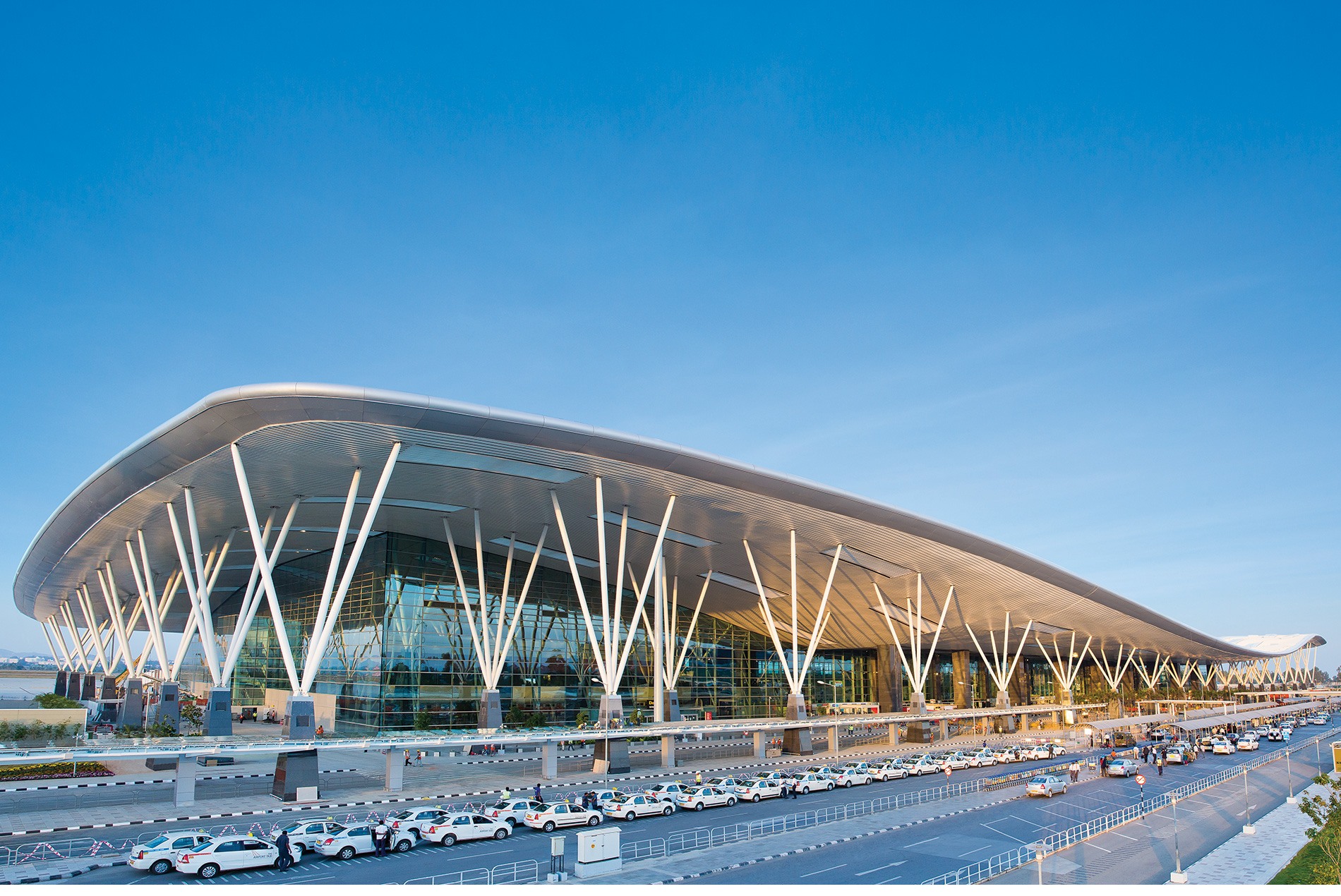
Bengaluru authorities intercepted a substantial shipment of hydroponic cannabis at Kempegowda International Airport, highlighting ongoing vulnerabilities in urban transport hubs and the growing sophistication of cross-border smuggling. Customs officials recovered 18.6 kilograms of cannabis, valued at approximately ₹6.5 crore, hidden within passengers’ checked luggage. The seizure underscores the need for integrated urban security frameworks in rapidly expanding metropolitan airports.
The contraband, reportedly originating from Bangkok, was discovered during routine inspections when officials acted on intelligence cues. Two passengers travelling from the international hub were apprehended, and cases have been filed under the Narcotic Drugs and Psychotropic Substances (NDPS) Act. The scale of the seizure signals both a high economic value for illicit cannabis in India and persistent challenges in monitoring international cargo flows efficiently. Urban experts note that transport nodes like Kempegowda Airport function not only as mobility engines for economic activity but also as potential conduits for illicit trade if surveillance and customs infrastructure lag behind demand. “Airports in major urban centres must evolve as resilient, technology-driven checkpoints,” said a senior official overseeing urban transport security. The incident highlights the importance of digitised baggage screening, inter-agency coordination, and predictive intelligence in mitigating narcotics trafficking risks.
This seizure is part of a wider pattern in Bengaluru’s international airspace, with recent interceptions including 4.776 kilograms of cocaine from a passenger arriving from São Paulo. In that case, officers discovered the narcotics concealed within specially modified handbags. Analysts point out that the repeat nature of such incidents reflects the profitability of high-value drugs and the strategic targeting of urban transport hubs with significant passenger throughput. The economic implications extend beyond illicit trade, as law enforcement operations consume resources while airports manage the flow of legitimate commerce. For city planners and urban developers, these events emphasise the dual challenge of sustaining growth while maintaining secure, resilient infrastructure. Efficient customs operations, integrated surveillance, and stakeholder coordination are essential to balance urban mobility, trade, and civic safety.
Looking ahead, Bengaluru’s airport authorities are expected to enhance screening and intelligence-sharing mechanisms to safeguard both travellers and commerce. Urban planners argue that such interventions can contribute to broader zero-carbon, inclusive, and secure city objectives by integrating smart technologies into transport and logistics infrastructure. As cities like Bengaluru expand their global connectivity, proactive investment in resilient, people-centric airport systems will remain critical to sustaining equitable growth and maintaining public confidence.