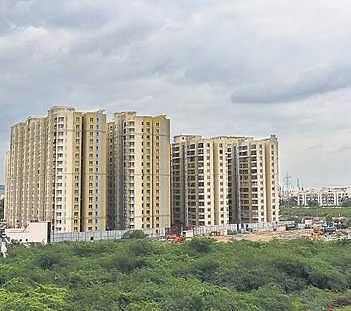
Apartment living in Bengaluru is increasingly drawing scrutiny as residents question the logic and legality of additional fees and lifestyle restrictions imposed by housing associations. From mandatory move-in payments to late-night delivery curfews, the issue is gaining traction across the city’s rapidly expanding gated communities, raising broader concerns about transparency, urban governance and the balance between security and personal freedom in high-density housing.
Over the past year, numerous residential complexes have introduced fixed “shifting charges” ranging from a few thousand rupees to significantly higher amounts, often applied both at the time of entry and exit. These payments are typically separate from monthly maintenance contributions and are justified by associations as compensation for elevator strain, corridor wear and post-move cleaning. However, many occupants argue that the absence of itemised cost breakdowns or refund mechanisms makes such levies appear arbitrary rather than service-linked. The debate around Bengaluru apartment rules is therefore no longer limited to affordability but increasingly tied to accountability and documentation.
Parallel to financial concerns, delivery restrictions have become another flashpoint. Several complexes enforce cut-off timings for food and parcel access, commonly around late evening hours, citing security and noise management. Urban planners note that these measures reflect an attempt to maintain order in densely populated towers, yet inconsistent enforcement and inadequate communication often lead to confusion. In a city known for flexible work schedules and a thriving digital economy, rigid delivery bans may clash with evolving lifestyle patterns and the expectations of younger, mobile professionals. Legal observers suggest that resident welfare associations do hold authority to frame internal regulations, particularly when approved through formal resolutions. Nonetheless, the strength of such rules depends heavily on due process, financial transparency and proportionality. Excessive or undocumented fees can invite disputes, especially in rental-heavy markets where tenant turnover is frequent. The ongoing discourse around Bengaluru apartment rules highlights the need for clearer governance frameworks that protect both community assets and individual rights.
The issue also reflects deeper urban challenges. As Bengaluru continues vertical expansion to accommodate population growth and reduce urban sprawl, collective living arrangements are becoming central to the city’s sustainability strategy. Well-managed shared infrastructure can reduce resource consumption and support climate-resilient urban design, but only when residents perceive the system as fair and inclusive. Poorly explained policies risk eroding trust and weakening community participation a critical element for zero-carbon and people-centric neighbourhoods. Looking ahead, experts emphasise the importance of standard operating guidelines, digital transparency tools and participatory decision-making within housing societies. Clear communication, audited fee structures and flexible security protocols could help align resident expectations with operational realities, ensuring that Bengaluru’s high-rise future remains both liveable and equitable.