


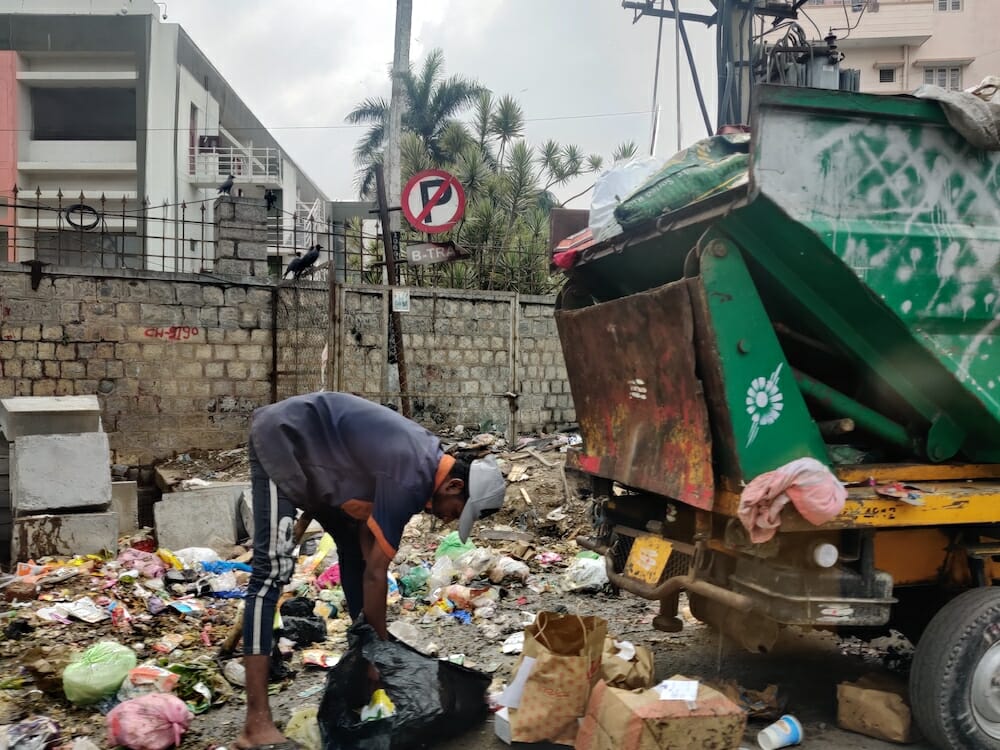
A new pilot on animal waste management is being rolled out in southern parts of Bengaluru, as civic authorities partner with a non-profit organisation to address a growing but often overlooked urban sanitation challenge.
The initiative aims to streamline the collection and treatment of waste generated by livestock and stray animals, a concern increasingly tied to public health, environmental sustainability, and liveability in dense neighbourhoods.Urban local body officials indicate that the programme is being introduced in select wards where informal animal rearing and unregulated waste disposal have placed pressure on existing sanitation systems. Unlike conventional solid waste streams, animal waste requires specialised handling due to its organic composition and potential to contaminate water bodies and public spaces if unmanaged.The animal waste management pilot seeks to establish decentralised collection points and structured logistics for transportation to processing facilities. Industry observers note that such models are critical for cities like Bengaluru, where rapid expansion has outpaced infrastructure planning in peri-urban and mixed-use zones. Without targeted interventions, untreated waste can exacerbate vector-borne diseases and degrade urban ecosystems.A senior civic official involved in the project said the approach integrates community participation with technical oversight. Local residents, small-scale livestock owners, and waste workers are being brought into the system through awareness campaigns and incentives.
Urban planners suggest that behavioural change will be key, as informal disposal practices remain deeply entrenched in several pockets of the city.Environmental experts highlight that properly managed animal waste can also be repurposed into compost or biogas, aligning with circular economy principles. This creates potential for decentralised energy generation and soil enrichment, reducing dependence on chemical fertilisers. However, the success of such outcomes depends on consistent segregation and processing standards.The collaboration with a non-profit organisation is expected to provide operational expertise and on-ground coordination. Civic authorities are using the pilot to assess scalability, cost efficiency, and environmental impact before considering expansion across other zones. The initiative also reflects a broader shift towards specialised waste streams management, moving beyond the one-size-fits-all model that has traditionally dominated municipal systems.For a city grappling with landfill pressures and climate vulnerabilities, targeted interventions like animal waste management offer a pathway to more resilient urban systems. If implemented effectively, the model could inform similar efforts in other Indian cities facing parallel challenges at the intersection of urbanisation, public health, and sustainability.
The next phase will likely depend on measurable outcomes from the pilot, including reductions in open dumping, improved sanitation indicators, and community adoption rates—factors that will determine whether the initiative evolves into a city-wide framework.
Also Read:Bengaluru Ticketless Travel Impacts Public Transport Revenue
