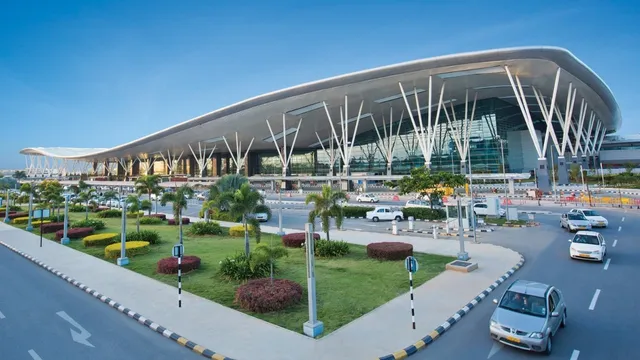
Bengaluru’s international gateway has once again emerged at the forefront of global airport performance, securing recognition for the fourth consecutive year as the world’s leading airport for arrivals. This accolade underscores a growing emphasis on efficiency, predictability, and passenger-centric design, which increasingly shapes urban mobility hubs across India.
The distinction, derived from real-time passenger surveys conducted under a widely recognised international benchmarking programme, highlights improvements in every stage of the arrival experience. Analysts note that such operational enhancements not only elevate the traveller experience but also reinforce the city’s status as a strategic economic and logistics hub. Recent data reveal significant gains in passenger satisfaction across multiple parameters, including digital connectivity, wayfinding, and comfort in waiting areas. Accessibility improvements, optimised baggage handling, and reduced walking distances inside terminals reflect deliberate investments in human-centred infrastructure. Experts suggest that airports delivering these efficiencies contribute indirectly to urban resilience by reducing congestion, improving airside operations, and facilitating smoother intermodal transport links to the city.
Urban planners and infrastructure consultants highlight that arrivals-focused efficiency has broader implications for sustainable city development. By minimising dwell time and streamlining foot traffic, airports can lower energy consumption associated with extended terminal occupancy and reduce emissions from vehicle idling at pick-up zones. Moreover, the integration of technology-driven monitoring, coordination between authorities, and responsive passenger services can serve as a model for other high-density urban transport nodes. Economic analysts emphasise that such accolades carry tangible value for Bengaluru’s positioning as an international business and tourism destination. Higher passenger satisfaction can encourage repeat travel, attract multinational investment, and strengthen ancillary commercial opportunities such as retail, hospitality, and logistics. The airport’s consistent performance also signals strong operational governance, indicating that urban infrastructure projects in India can achieve world-class service levels without compromising efficiency or inclusivity.
While operational metrics have improved, urban sustainability experts note that ongoing efforts must align with low-carbon and equitable development goals. Future improvements could include enhanced integration with public transport, expanded EV-based ground support, and climate-resilient terminal design to mitigate extreme weather impacts. By maintaining its focus on end-to-end passenger experience, Bengaluru’s airport exemplifies how transportation infrastructure can simultaneously drive economic competitiveness, improve urban mobility, and contribute to people-first, sustainable city planning.