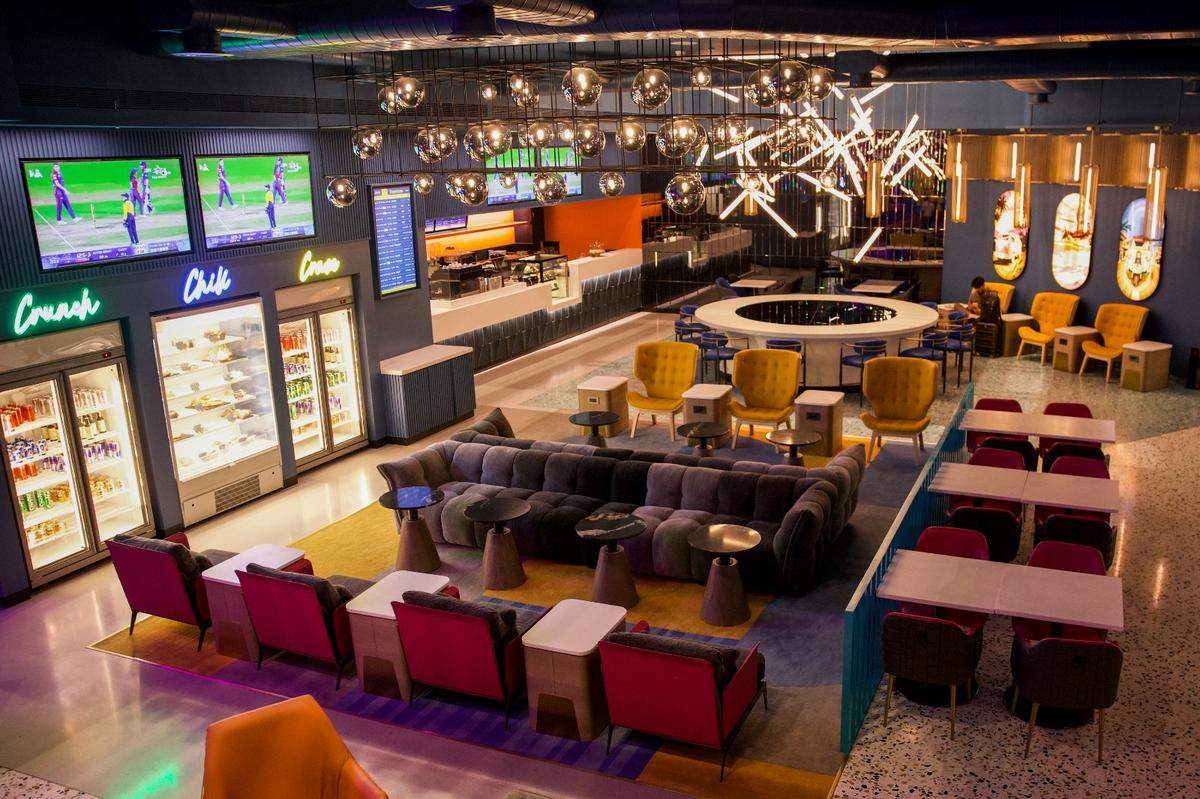
Kempegowda International Airport in Bengaluru has introduced a new passenger lounge concept at Terminal 2, marking a strategic shift in how airport infrastructure is designed and experienced. The newly launched Gate Z lounge signals a move away from conventional premium waiting areas towards a social, lifestyle-oriented space that reflects changing travel behaviour, especially among younger, digitally native passengers. For India’s fastest-growing aviation hubs, the experiment highlights how airports are increasingly being treated as urban destinations rather than mere transit points.
Located adjacent to the airport’s international lounge facilities, Gate Z has been developed as a shared social environment rather than a segmented, quiet-only space. Airport operators indicate that the lounge is intended to respond to evolving passenger expectations shaped by flexible work patterns, shorter layovers and a growing preference for informal, community-driven spaces. Industry analysts see this as part of a broader global trend where airports compete not just on efficiency, but on experience and dwell-time value. The lounge integrates multiple food and beverage zones, casual seating clusters and open social areas designed to encourage movement and interaction. Rather than prioritising exclusivity, the layout promotes visibility and accessibility, aligning with a more inclusive approach to public infrastructure within airports. Urban design experts note that such layouts mirror contemporary high-street planning, where mixed-use spaces blend leisure, consumption and informal gathering.
Design elements across Gate Z draw on both global retail aesthetics and local cultural cues. Warm colour palettes, adaptive lighting and the use of sustainable materials aim to create a relaxed yet functional environment. According to airport officials, artificial intelligence tools have been embedded to support navigation and personalise services, reflecting how digital infrastructure is becoming integral to modern transport hubs. From an urban development perspective, the project reflects Bengaluru Airport’s ambition to position itself as a lifestyle gateway for the region. As airports increasingly function as economic ecosystems supporting retail, hospitality and employment the design of passenger spaces has direct implications for revenue generation and user satisfaction. Analysts suggest that social-first lounges could also help distribute passenger density more evenly across terminals, improving operational resilience during peak travel periods.
The naming of Gate Z through a nationwide public contest further underscores the airport’s attempt to engage younger demographics in shaping civic infrastructure. While the long-term success of the concept will depend on usage patterns and passenger feedback, planners believe such participatory approaches can strengthen public ownership of large-scale infrastructure. As Indian cities invest heavily in aviation-led growth, Gate Z offers a glimpse into how airports may balance commercial ambition with inclusive, people-first design. The next challenge will be ensuring that such lifestyle-driven spaces remain accessible, energy-efficient and adaptable as passenger volumes and climate responsibilities continue to rise.