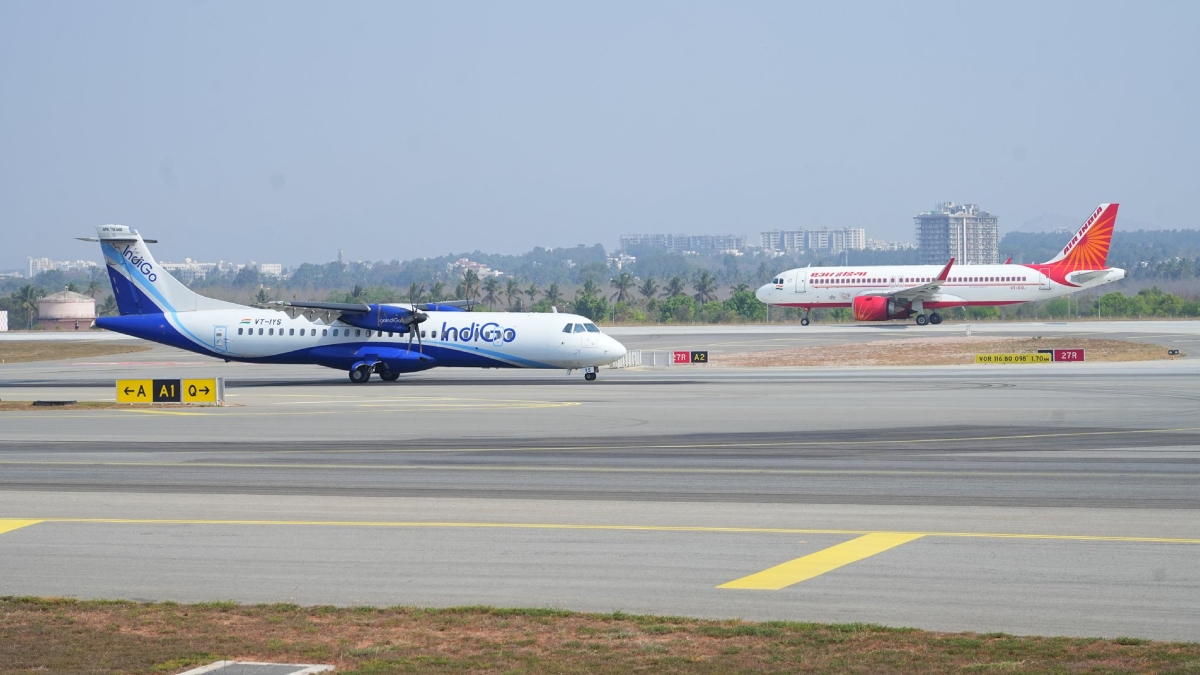
Bengaluru Airport Faces Major Passenger Disruption
Bengaluru over 180 passengers were stranded for more than 18 hours at Kempegowda International Airport (KIA) on Thursday after an Air India Express flight bound for Kathmandu was repeatedly diverted due to adverse weather conditions. The prolonged disruption prompted travellers to stage a protest at the airport, highlighting broader concerns about airport contingency planning and cross-border connectivity in South Asia.
The aircraft, carrying tourists from multiple Indian states including a significant number from Karnataka, initially departed Bengaluru mid-morning and was scheduled to land in Nepal shortly after. Dense fog and low visibility forced the plane to divert first to Varanasi and later to Lucknow, leaving passengers in limbo. Reports indicate that temporary arrangements at the diversion airports were minimal, leading to public frustration and calls for better passenger support protocols.
A senior airport operations official noted that weather-related diversions are increasingly common during the winter months in the Himalayan region, and contingency measures for airlines remain inconsistent. “Urban airports need integrated response frameworks to ensure passenger welfare during prolonged delays, including accommodation, food, and timely information updates,” the official said. Analysts argue that these disruptions, while operational in nature, have cascading economic and social implications, from delayed tourism schedules to increased operational costs for airlines and airport authorities. The incident also exposes vulnerabilities in the broader regional aviation network. With South Asia experiencing growing passenger volumes and climate-related weather events, experts highlight the necessity for resilient infrastructure and coordinated flight operations. Inadequate handling of sudden diversions not only strains airport facilities but also affects city-level mobility and tourism-linked economies. Urban planners stress that climate-resilient design for airports, including weather-proof logistics, real-time tracking systems, and flexible passenger accommodation, will be critical as extreme weather patterns intensify.
From a citizen perspective, extended waiting periods without adequate support can erode trust in public transport infrastructure and raise questions about inclusive urban mobility. The protest at KIA underscores the need for airlines and city authorities to implement proactive communication strategies and ensure equitable treatment for stranded passengers. Air India Express confirmed the disruptions and announced alternative arrangements including hotel accommodation and rebooking options. Industry experts suggest that recurrent diversions will require long-term operational reviews and collaboration between airlines, airport operators, and meteorological agencies to prevent similar incidents. As cities like Bengaluru expand their global aviation connectivity, integrating climate resilience into transport planning will be key to maintaining reliable urban infrastructure.