


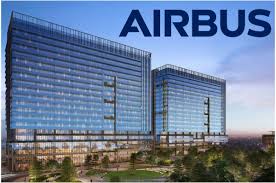
Bengaluru’s eastern business district has secured one of the year’s most significant corporate workspace commitments, with Airbus India finalising a long-term office lease in Whitefield valued at nearly Rs 100 crore over its tenure. The transaction reinforces the city’s position as a global engineering hub and signals sustained demand for high-grade office infrastructure despite evolving workplace models.
Property registration records show that Airbus India has leased approximately 1.52 lakh sq ft at Titanium Tech Park, a Grade-A commercial complex in Whitefield. The agreement spans multiple floors and runs until October 2034, underscoring a strategic, long-horizon commitment to the city’s talent ecosystem. The starting rental for the combined space is calculated at roughly Rs 97 lakh per month, with escalation clauses applicable over the lease cycle. The deal also includes structured security deposits and dedicated parking provisions, reflecting the premium nature of the asset and the long-term occupancy plan. Urban economists note that such large-format leases are increasingly concentrated in established technology corridors such as Whitefield, where metro connectivity, arterial road upgrades and mixed-use neighbourhoods offer operational advantages. Over the past decade, the micro-market has evolved from a peripheral IT cluster into an integrated employment and residential zone, supporting both multinational engineering centres and domestic technology firms. For Airbus India, the expanded footprint aligns with the company’s growing engineering, digital and aerospace innovation functions in the country. Industry observers say India’s skilled workforce in avionics, software systems and advanced manufacturing continues to attract global aerospace majors seeking cost-effective research and development bases.
The lease also arrives at a time when questions are being raised globally about the future of office demand. While hybrid work has moderated speculative leasing in some cities, long-term commitments by technology and engineering firms suggest that collaborative research environments and secure infrastructure remain essential for high-value sectors. From an urban development perspective, sustained corporate occupancy in eastern Bengaluru has implications for transport planning, energy use and housing demand. Planners argue that large employment nodes must be supported by reliable public transit, energy-efficient buildings and affordable residential options to prevent congestion and socio-spatial divides. Whitefield’s transformation has already accelerated investment in metro rail expansion and last-mile connectivity. However, infrastructure experts caution that continued commercial growth should be matched with green building compliance, water management systems and low-carbon mobility integration to align with the city’s broader climate resilience goals.
As global firms consolidate engineering operations in India, Bengaluru’s commercial real estate market appears to be entering a new phase one defined not merely by volume, but by long-duration commitments anchored in research, innovation and skilled employment. Whether the city can translate that momentum into inclusive and sustainable urban growth will depend on how effectively infrastructure keeps pace with ambition.
Also Read: Bengaluru real estate redefines luxury living
Bengaluru Airbus India office lease signals tech corridor surge
