Bengal Hands Over 40-Acre Plot To Titagarh Rail For Coach Production
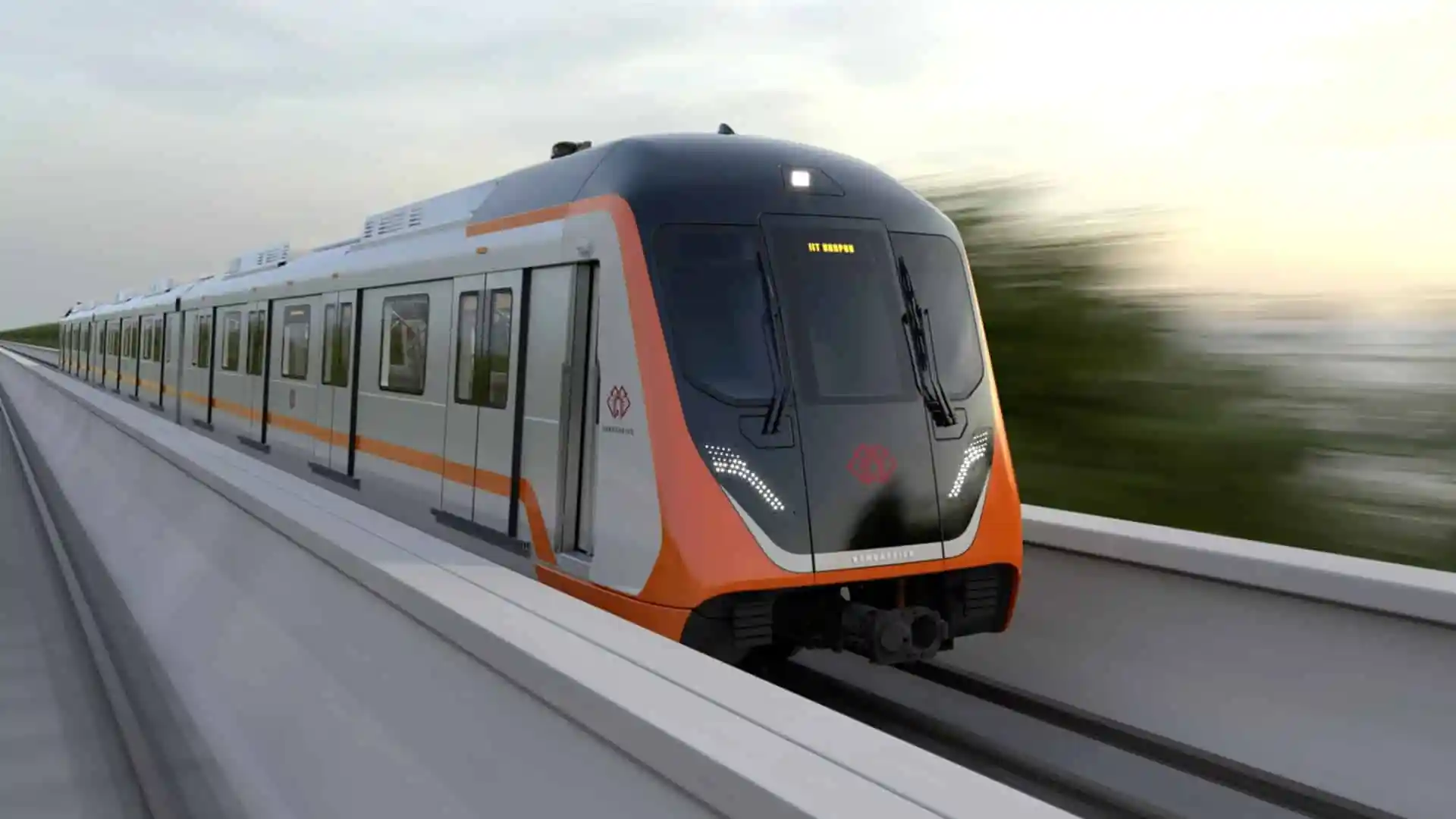
The West Bengal state cabinet, chaired by the Chief Minister, on Monday approved the handover of a 40-acre contiguous land parcel in Uttarpara, Hooghly, to Titagarh Rail Systems Ltd (TRSL). This strategic decision aims to significantly enhance TRSL’s production capacity and facilitate advanced testing of Metro and Vande Bharat coaches. The plot, part of land previously acquired by the state from Hind Motors, will be provided to TRSL on a 99-year lease. This acquisition is crucial for the Bengal-based rolling stock manufacturer, as it adjoins their existing 34-acre manufacturing unit, allowing for expanded infrastructure and dedicated testing areas.
The addition of this land parcel will increase TRSL’s total manufacturing footprint to 74 acres, enabling the company to establish infrastructure for extra production and set up specialized facilities for the testing and commissioning of new coaches and trains. This expansion is vital for ensuring comprehensive safety validation, including dynamic and running tests of all trains prior to their delivery. Company officials confirmed plans for fresh investment in advanced testing tracks and other necessary infrastructure at the newly acquired site to bolster their capabilities.
Earlier this year, TRSL, in collaboration with Bharat Heavy Electricals Ltd (BHEL), unveiled a dedicated production line for Vande Bharat sleeper trains at its Uttarpara facility. This was established after the consortium secured a significant contract from Indian Railways to manufacture 80 such train sets. Production is currently underway, with the prototype Vande sleeper trains expected to roll out in 2026. The plant’s annual manufacturing capacity of 300 coaches is being scaled up to 850 to meet the increasing demand, representing a total project value of approximately Rs 24,000 crore, including long-term maintenance.
This land transfer marks a significant boost for West Bengal’s industrial growth and national railway modernization. It strengthens indigenous manufacturing capabilities, creates employment, and reinforces the state’s role in advancing India’s rail infrastructure and sustainable mobility solutions.