Telangana BRS Seeks Probe Into Singareni Coal Operations
Central investigators have issued fresh summonses to six coal traders in West Bengal as part of an intensifying probe into an alleged coal smuggling nexus that spans multiple states, highlighting persistent challenges in regulating key energy and industrial supply chains that feed urban infrastructure and industrial demand. The Enforcement Directorate (ED), which investigates financial crimes such as money laundering, notified the traders this week, seeking their cooperation as the broader network is examined under anti-money laundering laws.
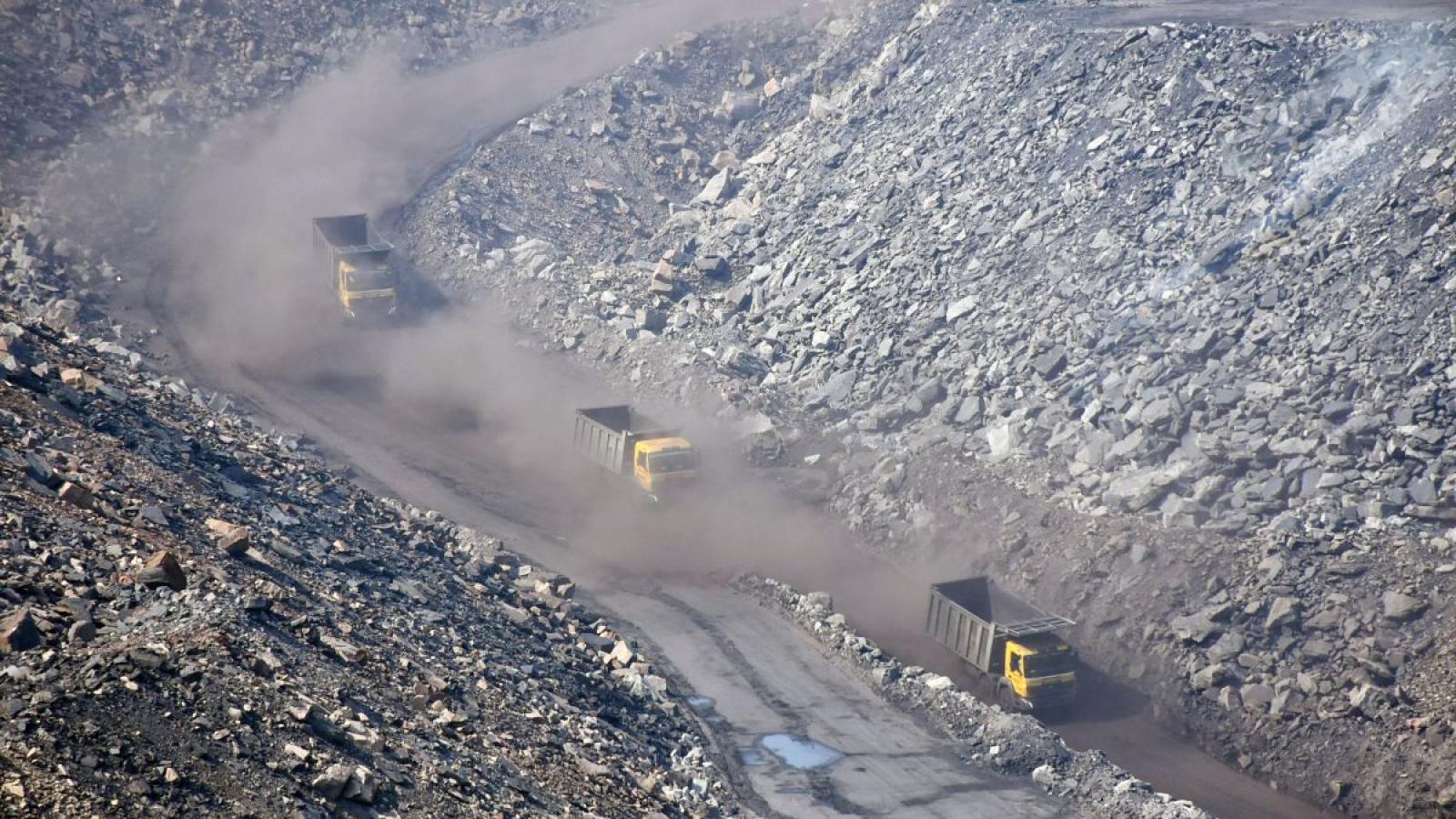
The latest action follows a series of searches and procedural steps by the ED linked to an ongoing inquiry into illegal coal mining, movement and alleged financial flows in the Eastern Coalfields region and beyond. Officials have indicated that at least three of the summoned individuals were already on the radar of central agencies for suspected involvement in a smuggling racket that trafficked coal outside authorised channels. Illegal extraction and smuggling of coal has long been a concern for regulators and planners given coal’s critical role as an industrial input — particularly in steelmaking and power generation — and its direct influence on construction, manufacturing and broader economic activity. Fraudulent or unauthorised trade in such a foundational commodity not only distorts market pricing but also deprives state revenues and undermines formal sector supply chains.
The Enforcement Directorate’s involvement indicates that investigators are focusing on the financial dimension of the alleged network, potentially tracing proceeds of illicit operations through complex banking and payment channels. Probes under the Prevention of Money Laundering Act (PMLA) typically examine how funds generated from unlawful activity are layered through transactions and entities to obscure their origin. This dimension is crucial: effective money laundering investigations can lead to asset seizures and stronger deterrence. Urban economists and supply-chain experts say that coal smuggling and related malpractices weaken formal markets that serve the construction and infrastructure ecosystem. A regulated coal supply is foundational to sectors like power, cement, steel and logistics — all of which underpin urban growth and public infrastructure development. When such basic inputs are diverted or traded illicitly, project costs can rise and planning becomes opaque, affecting builders, developers and city-level infrastructure delivery.
In recent months, ED and allied agencies have ramped up operations across West Bengal and neighbouring Jharkhand, executing searches at multiple locations and seizing cash, documents and other materials that may help trace illegal activity. Investigators have also begun to untangle allegedly coordinated movements of coal across state borders, often involving forged paperwork and informal transport networks. Officials have not publicly detailed the precise legal charges against the summoned traders, though enforcement actions of this type typically signal potential violations under customs, mining, environmental and anti-money-laundering statutes. Legal experts note that summonses at the investigative stage can precede formal arrests if sufficient evidence emerges linking individuals to organised smuggling rings and financial malfeasance.
For policymakers and industry stakeholders, the unfolding scrutiny highlights broader structural challenges in securing transparent supply chains for essential industrial inputs. India’s commitment to sustainable urban growth — including cleaner energy transitions and robust infrastructure delivery — depends on effective regulation of commodity flows and deterrence of illicit markets.As the probe advances, attention will focus on how investigators untangle financial linkages and whether institutional reforms — such as enhanced digital tracking of commodity movements and tighter coordination between state and federal agencies — can reduce vulnerabilities that allow such networks to persist.