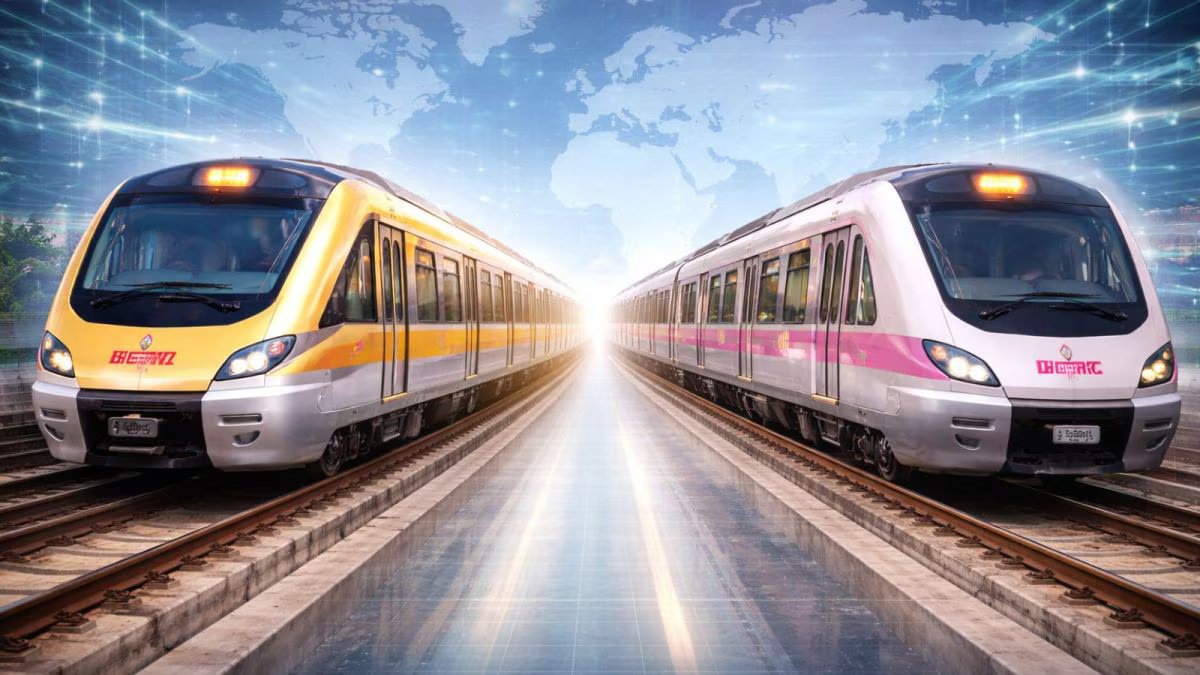
India’s public sector transport engineering and metro rail expertise is preparing to move beyond domestic markets, with two state-backed organisations forming a strategic partnership to jointly pursue West Asia metro projects. The collaboration signals a broader push by Indian infrastructure institutions to compete in global urban transit development, particularly in regions witnessing rapid investment in sustainable mobility systems. The partnership establishes a framework for cooperation between a major rolling stock manufacturer and the country’s most experienced metro rail operator. Together, the organisations aim to identify and pursue upcoming metro developments across West Asia while offering a full range of services—from train manufacturing to system operations and project implementation.
Officials familiar with the development say the alliance is designed to position India as a credible supplier of integrated metro solutions. Previously, India’s metro operator had participated mainly in advisory or operations-related assignments overseas. By working alongside a domestic rolling stock producer, the partnership now allows bids that cover the entire project lifecycle, including train supply, systems integration and operational expertise. The move reflects growing global demand for urban rail systems as cities attempt to reduce road congestion, lower emissions and create more reliable public transport networks. Many countries in West Asia are investing heavily in transit-oriented development and mass mobility infrastructure to support expanding urban populations and diversify their economies away from oil dependence. Industry observers note that integrated bidding models are becoming increasingly important in international metro projects. Governments often prefer consortiums capable of delivering turnkey solutions, which combine infrastructure construction, rolling stock manufacturing and operations management. Such models help streamline project timelines and reduce coordination risks between multiple contractors.
For Indian companies, the ability to jointly bid for West Asia metro projects also offers an opportunity to showcase domestic expertise developed over the past two decades. India’s metro rail network has expanded rapidly, with multiple cities adopting urban rail systems to improve connectivity and reduce environmental stress on road-based transport. Urban planners suggest that exporting this experience could strengthen India’s role in the global mobility ecosystem. Beyond economic opportunities, the move may also support the wider adoption of climate-conscious transport systems, particularly as cities worldwide shift toward lower-carbon mobility options. The partnership also reflects a broader trend of Indian public sector enterprises seeking international markets to scale operations and diversify revenue streams. Infrastructure diplomacy—where technical capability becomes a form of economic engagement—is increasingly shaping how emerging economies collaborate on urban development projects.
If successful, the collaboration could open the door for further Indian participation in global transit infrastructure, particularly in regions where large-scale metro networks are being planned or expanded. For rapidly urbanising cities in West Asia, such partnerships could provide an additional pool of expertise as governments accelerate investments in resilient and sustainable urban transport systems.