


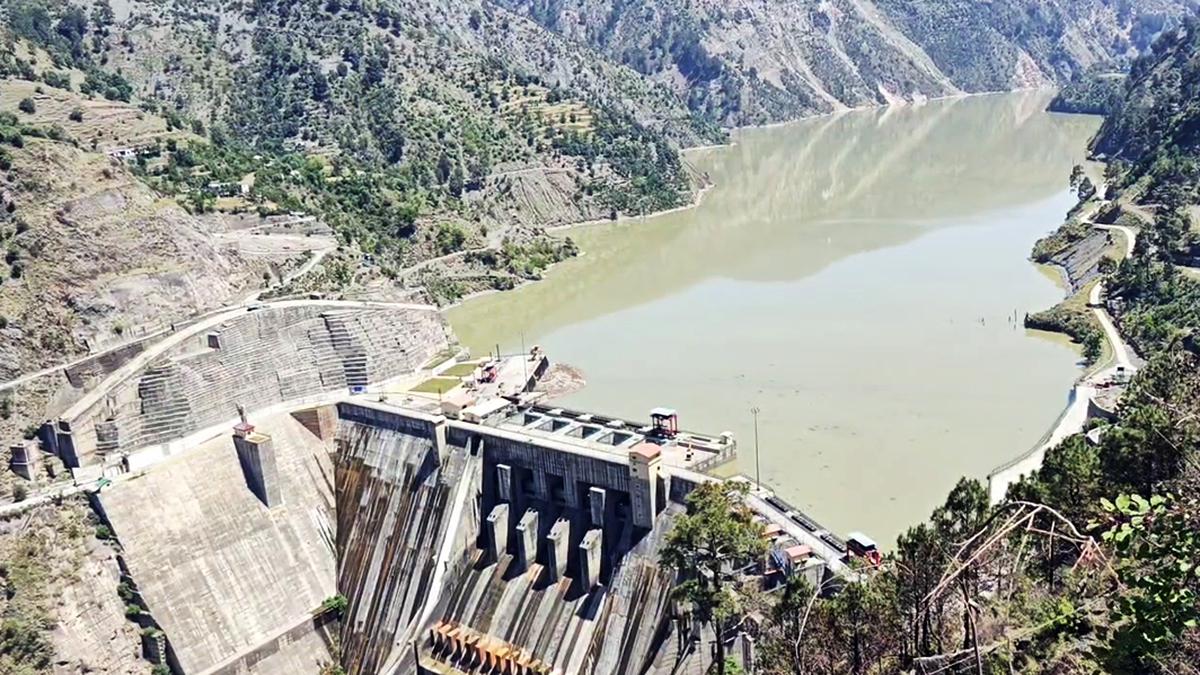
A growing consensus among legal and infrastructure experts is calling for a significant investment in major irrigation and water storage projects across the Indus basin in India.
The demand for such infrastructure is rising in light of mounting climate pressures, ageing agreements, and the urgent need for sustainable and equitable water management. At a recent legal symposium held at the Belagavi Bar Association, a senior legal expert who has represented Indian states in interstate water disputes underscored the limitations imposed by the Indus Waters Treaty (IWT) and called for its reconsideration. Signed in 1960 and mediated by the World Bank, the treaty allocates 80% of the Indus river system’s waters—specifically from the Indus, Jhelum, and Chenab rivers—to Pakistan, leaving India with the remaining 20% from the eastern rivers Ravi, Beas, and Sutlej.
Despite this allocation being geographically influenced—the western rivers naturally flow into Pakistan—the Indian side is increasingly questioning whether the treaty reflects contemporary water needs, hydrological realities, and sustainability imperatives. With climate change altering rainfall patterns and reducing river yields, experts assert that the current legal and infrastructural framework is insufficient to meet future water security challenges. “India, as an upstream country, has a mere 0.6 million acre-feet of storage capacity on the Indus basin, compared to the downstream infrastructure in Pakistan,” the expert noted. “This severely limits India’s ability to effectively utilise its share or influence flow regimes.” Meanwhile, India continues to receive nearly 100 million acre-feet of water under its eastern allocations—much of which remains underutilised due to the lack of adequate storage and distribution channels.
The expert highlighted that the water yield from the Indus basin has declined by approximately 14% over the past two decades—a trend that aligns with scientific forecasts of water stress due to global warming and glacier retreat in the Himalayas. The legal fraternity is increasingly voicing the need to link treaty revisions and infrastructure development with sustainable water use frameworks. However, changing the treaty is easier said than done. Under current terms, any modification requires mutual consent. Yet, international legal provisions tilt slightly in India’s favour. “Even if Pakistan raises the issue before international tribunals or the United Nations, these bodies do not have binding jurisdiction without India’s consent,” explained the legal expert.
While some geopolitical commentators have suggested that India should use water as leverage in its broader diplomatic tensions with Pakistan, legal experts advise restraint. “Weaponising water goes against international environmental norms and could harm both ecology and human populations on either side of the border,” the expert warned. Instead, they advocate a proactive strategy that involves building large-scale, climate-resilient infrastructure projects. These could include multi-purpose storage dams, inter-basin transfer systems, and modernised canal networks to retain and redirect water more efficiently within India’s legally allocated share.
Experts also cast doubt on Pakistan’s oft-repeated claims of water scarcity. “Pakistan’s projected need of 80–90 million acre-feet seems inflated. Actual domestic and agricultural requirements are estimated at around 40 million acre-feet. India must use such data intelligently during future diplomatic engagements,” said another panellist. There is also a suggestion that India could work with Afghanistan to jointly develop the Kabul River, which ultimately feeds into the Indus in Pakistan. Any such collaboration could tilt the regional water balance—but comes with geopolitical risks, particularly with the unpredictable governance structure under the Taliban regime.
Water policy observers argue that India’s current limitations stem less from legal hurdles and more from a lack of foresight in infrastructure planning. “We must focus on building capacity to hold our own water, rather than being preoccupied with what flows downstream,” said a senior environmental policy analyst attending the lecture. This new push for water infrastructure not only aims to secure India’s rights under the IWT but also aligns with broader national priorities. Efficient water management, especially in arid and agrarian regions, is critical for food security, climate resilience, and equitable development. By investing in sustainable water systems now, India can reduce long-term dependency on unpredictable treaties and cross-border goodwill.
While the road to renegotiating the Indus Waters Treaty may be long and politically fraught, experts insist that infrastructure development is a sovereign right India can and must exercise. The evolving climate landscape, paired with rising water demands, has made it imperative that India treats water not just as a diplomatic issue but as a core component of national infrastructure planning. As water becomes a 21st-century strategic resource, India’s ability to harness, store, and use its fair share from the Indus basin could determine the success of its future development agenda.
Also Read : Pune IT Workers Demand Work From Home Amid Monsoon Chaos
