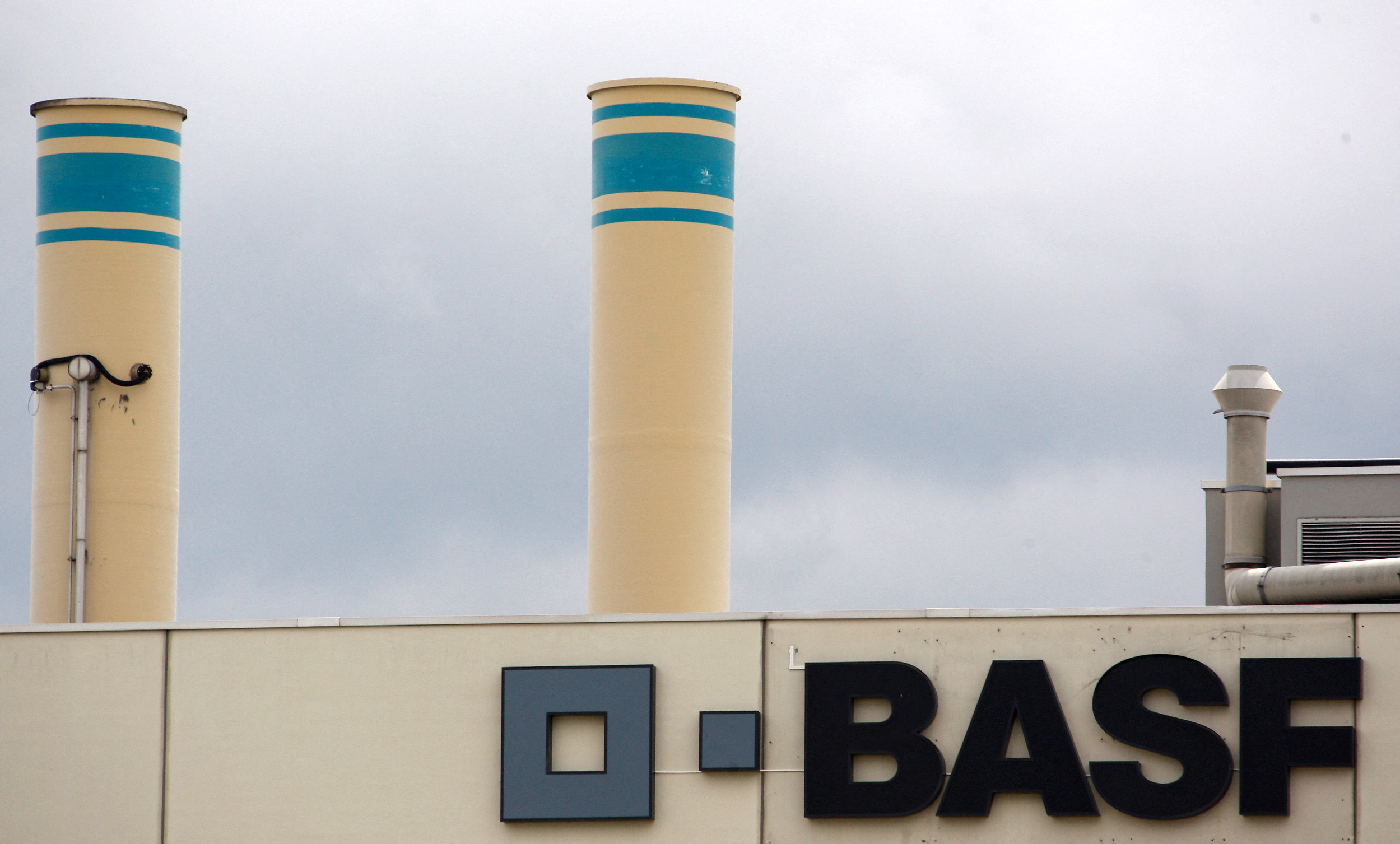
BASF Tightens Spending Amid Chemical Industry Pressures
Global chemicals manufacturer BASF is intensifying a broad restructuring programme aimed at reducing costs and strengthening its balance sheet as the industry confronts weak demand, high energy costs and persistent global overcapacity. The company has raised its cost-saving target and announced additional efficiency measures as it prepares for what executives describe as another difficult year for the chemicals sector.
Under the revised strategy, BASF plans to increase annual cost savings to around €2.3 billion by the end of 2026, up from an earlier target of €2.1 billion. The move is part of a wider effort to stabilise profitability and protect cash flow while global industrial demand remains uncertain.The group expects adjusted operating earnings to range between €6.2 billion and €7.0 billion in 2026, compared with €6.6 billion recorded in 2025. The forecast signals a cautious outlook as market conditions remain volatile across key sectors that rely heavily on chemical inputs, including construction, manufacturing and agriculture.Industry analysts say the restructuring reflects deeper structural challenges facing Europe’s chemicals sector. Rising energy prices, subdued industrial output and increasing competition from Asia have eroded margins for many producers. BASF’s strategy therefore combines operational streamlining with tighter capital spending and portfolio adjustments aimed at focusing on core chemical production networks.
The company has already implemented significant workforce and organisational changes over the past two years. Between the end of 2023 and the end of 2025, BASF reduced its global workforce by around 4,800 positions, while the number of senior executives declined by roughly 11 percent as part of management restructuring.Capital investment plans are also being revised. BASF intends to limit spending on property, plant and equipment to roughly €13 billion between 2026 and 2029, representing a substantial reduction compared with earlier investment projections. The company says the revised spending framework will allow it to prioritise strategic projects while preserving financial flexibility during uncertain market conditions.The chemicals giant has simultaneously accelerated a broader portfolio review, exploring the separation or restructuring of certain business divisions that are less integrated with its large production networks. Such moves are designed to simplify operations and concentrate resources on segments where the company believes it can maintain competitive advantages.
Despite the cautious outlook, BASF expects some improvement in cash generation during the current year, with projected free cash flow estimated between €1.5 billion and €2.3 billion. The company is also working to strengthen its balance sheet following recent portfolio adjustments and asset restructuring initiatives.For industries dependent on chemicals—including construction materials, automotive manufacturing and consumer goods—the company’s restructuring underscores the broader economic pressures affecting global industrial supply chains. Slower growth in several regions has dampened demand for chemical products, forcing manufacturers to prioritise efficiency and operational resilience.
As BASF navigates the current downturn, the effectiveness of its expanded cost-cutting programme will be closely watched across the global chemicals sector. Analysts say the company’s strategy may serve as an indicator of how large industrial manufacturers adapt to prolonged periods of market uncertainty and structural shifts in global manufacturing demand.