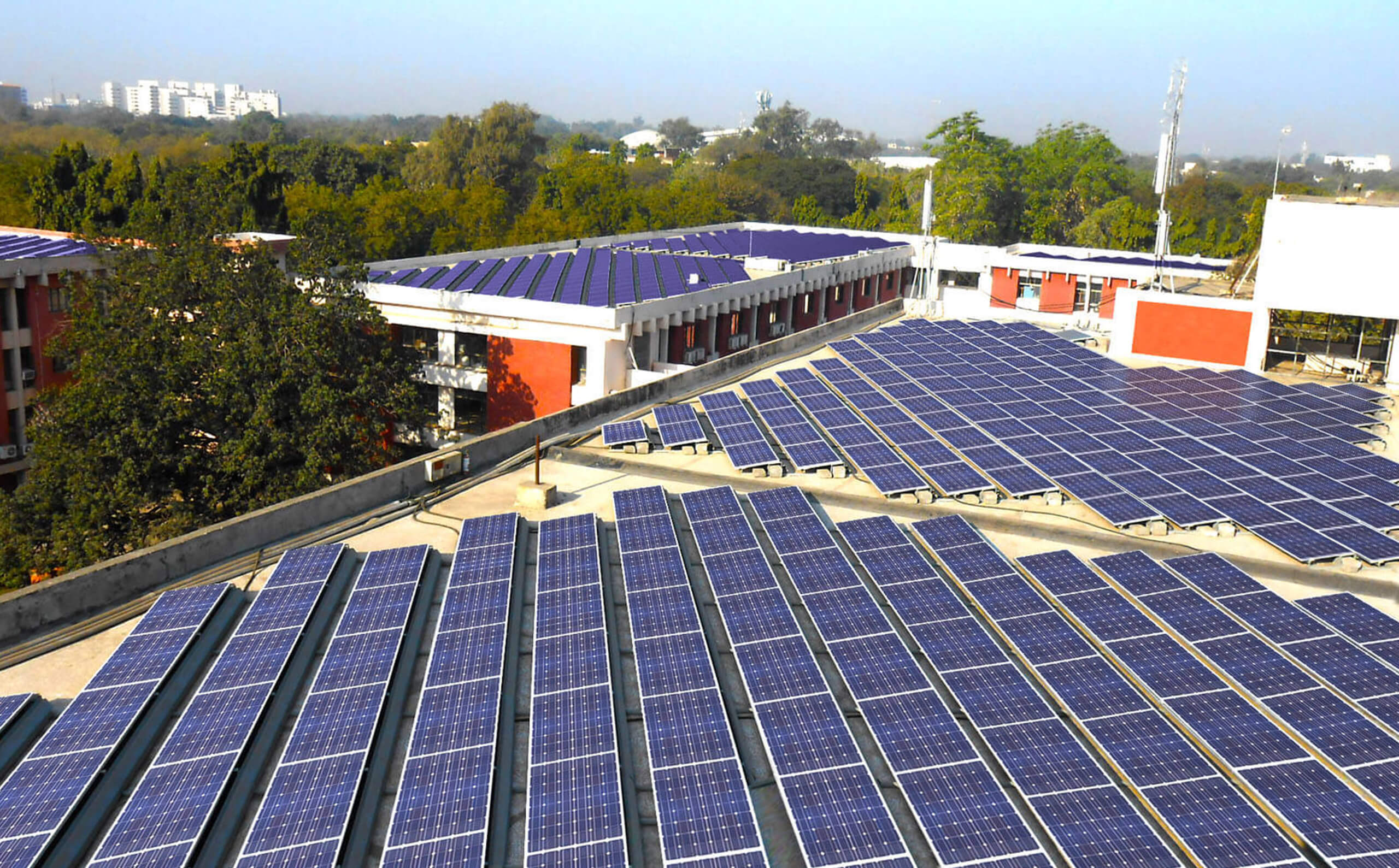
Barabanki Solar Plant Ignites New Era in UP’s Clean Energy Drive
Uttar Pradesh has taken a decisive step toward becoming a green manufacturing hub with the launch of a 1 GW solar panel production facility by True Power in Barabanki. Backed by a ₹100 crore investment, the plant is the first of its scale in the state and signals a growing shift towards decentralised solar infrastructure in tier-2 regions. The facility is poised to play a key role in meeting the state’s renewable energy target of 20,000 MW by 2027, aligning with India’s broader push for domestic solar manufacturing and energy security.
The new factory is a major win for the state’s clean energy roadmap, offering the potential to accelerate Uttar Pradesh’s transition from energy deficit to surplus through green means. At full capacity, the plant will produce one gigawatt of solar modules annually—enough to power hundreds of thousands of homes while cutting emissions and reducing import dependency. The move reflects the state’s effort to localise clean tech manufacturing and create green jobs, especially in non-metro districts like Barabanki. Officials from True Power said the project aligns with the central government’s push for domestic value addition in renewable energy manufacturing, bolstered by policies such as the Approved List of Models and Manufacturers (ALMM). This development follows a recent ₹8,200 crore commitment from another firm for a 5 GW solar cell and module factory in Greater Noida, hinting at the emergence of Uttar Pradesh as a solar manufacturing cluster.
Industry analysts believe that such decentralised manufacturing hubs are essential for India to meet its 2030 goal of 500 GW of non-fossil fuel energy capacity. According to SolarPower Europe, India’s solar module manufacturing is projected to reach 160 GW by 2030, with annual installations expected to grow by over 20% year-on-year. The Barabanki facility directly contributes to this trajectory, offering scale, speed, and localisation in one of India’s most populous yet under-electrified regions. The strategic location of the Barabanki facility also offers logistical advantages, with proximity to key transport corridors and emerging energy infrastructure in northern India. This not only streamlines the supply chain for solar components across neighbouring states but also reinforces Barabanki’s potential as a node in India’s green energy export network. Moreover, the facility is expected to generate significant local employment during both construction and operational phases, contributing to skill development in clean energy technologies.
Experts note that such projects can catalyse a regional innovation ecosystem around solar research, battery storage, and grid integration—critical for scaling India’s clean energy economy sustainably.The emphasis on tier-2 cities also brings equity into the clean energy transition, decentralising economic opportunity and empowering regions that were previously on the fringes of industrial development. With projects like this, Uttar Pradesh is no longer just a consumer of renewable energy but an emerging producer, contributing to India’s vision of self-reliance in energy and inclusive green growth.