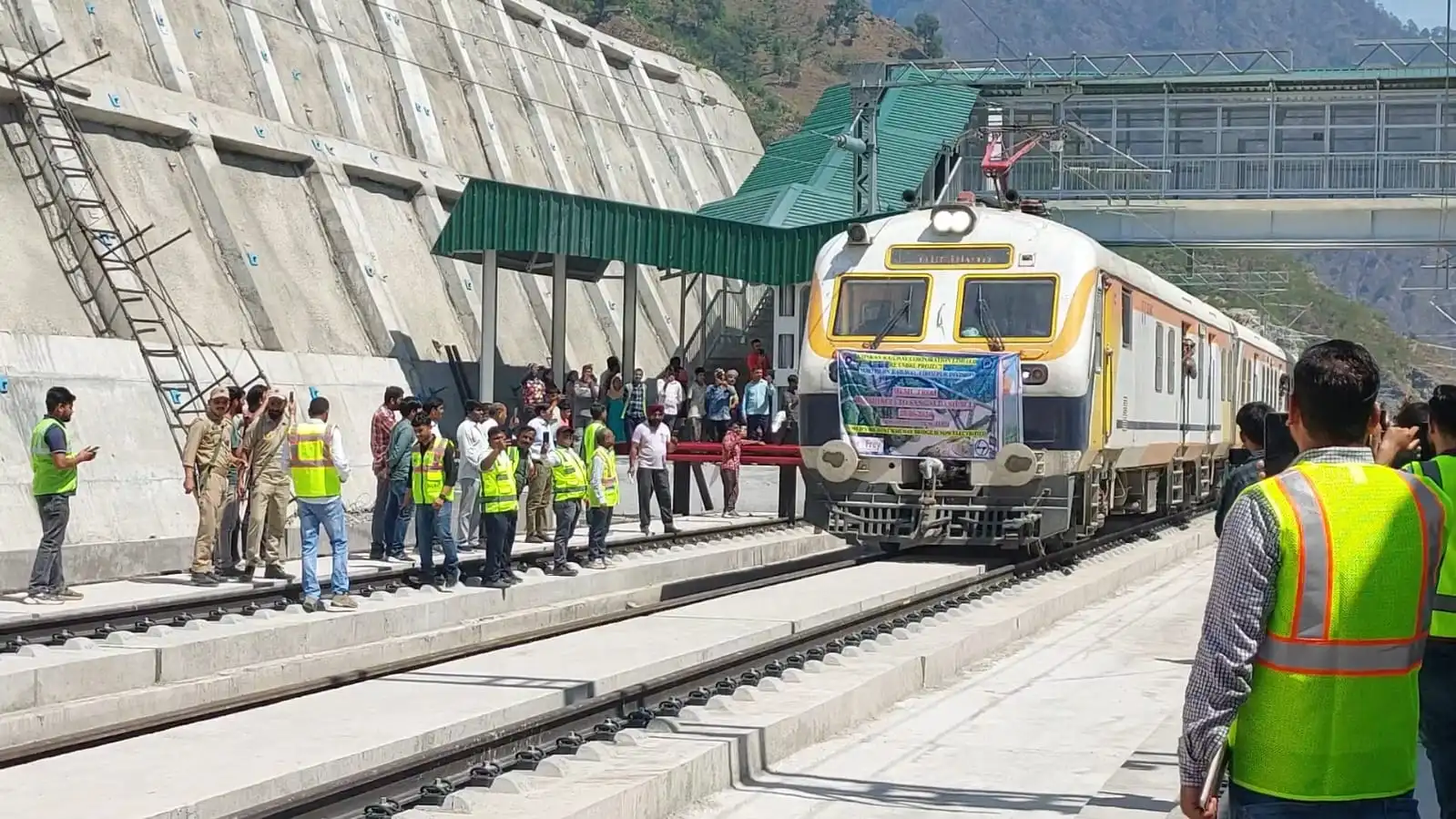
GPT Infraprojects, a prominent infrastructure entity headquartered in Kolkata, has secured a significant contract for the manufacture and supply of mono block pre-stressed concrete line sleepers for a crucial railway project in Bangladesh. This strategic win not only underscores the company’s growing international footprint but also highlights India’s pivotal role in fostering sustainable and equitable infrastructure development across the South Asian region. The contract is poised to enhance vital rail connectivity, a cornerstone for economic growth and environmentally conscious urbanisation in both nations.
The agreement mandates GPT Infraprojects, the flagship company of the GPT Group, to provide essential components for Bangladesh’s expanding railway network. As a diversified infrastructure firm, GPT operates through two core divisions: infrastructure, focusing on large bridges and railway overbridges, and sleepers, where it specialises in manufacturing and supplying concrete sleepers for railway systems in India and Africa. This latest contract reinforces its expertise in delivering critical railway infrastructure, which is fundamental to modern, efficient, and low-carbon transportation corridors.
From a financial perspective, GPT Infraprojects has demonstrated robust growth, providing a strong foundation for such ambitious international ventures. The company’s consolidated net profit surged by an impressive 49.72 per cent to ₹24.24 crore in the fourth quarter of fiscal year 2025, compared to the corresponding period in the previous fiscal. Concurrently, revenue witnessed a substantial increase of 29.06 per cent, reaching ₹380.74 crore. Such healthy financial performance not only validates the company’s operational efficacy but also positions it as a reliable partner for large-scale projects that drive regional development and sustainability.
The choice of mono block pre-stressed concrete line sleepers for the Bangladesh project aligns seamlessly with principles of eco-friendly and sustainable infrastructure. While the production of concrete involves a carbon footprint, concrete sleepers offer a significantly longer lifespan and require less frequent replacement compared to traditional wooden sleepers, thereby reducing long-term resource consumption and maintenance demands. Furthermore, opting for concrete eliminates the need for timber, preventing deforestation and preserving vital forest ecosystems. Railways themselves are inherently a more sustainable mode of transport for both freight and passenger movement, boasting a lower carbon emission profile per tonne-kilometre or passenger-kilometre compared to road or air transport, thus contributing directly to net-zero carbon ambitions.
Beyond environmental considerations, improved railway infrastructure fosters greater social equity and gender neutrality. Enhanced rail connectivity provides safer, more affordable, and efficient transportation options for diverse populations, including women and marginalised communities, facilitating access to employment, education, and healthcare opportunities. This cross-border railway development promises to strengthen economic ties between India and Bangladesh, promoting regional trade, cultural exchange, and shared prosperity, ultimately contributing to more integrated and equitable urban and rural landscapes.
GPT Infraprojects’ latest contract is more than a commercial success; it represents a tangible step towards building a more interconnected and sustainable future for South Asia. By leveraging Indian expertise in critical infrastructure, this collaboration exemplifies how focused development can simultaneously achieve economic objectives, advance environmental stewardship, and promote social inclusion, laying tracks for progress that benefits communities across borders.
Also Read: Kanpur to get new railway station with eight platforms on Delhi Howrah route to ease congestion at Kanpur Central
Bangladesh rail contract awarded to GPT Infraprojects to boosting connectivity