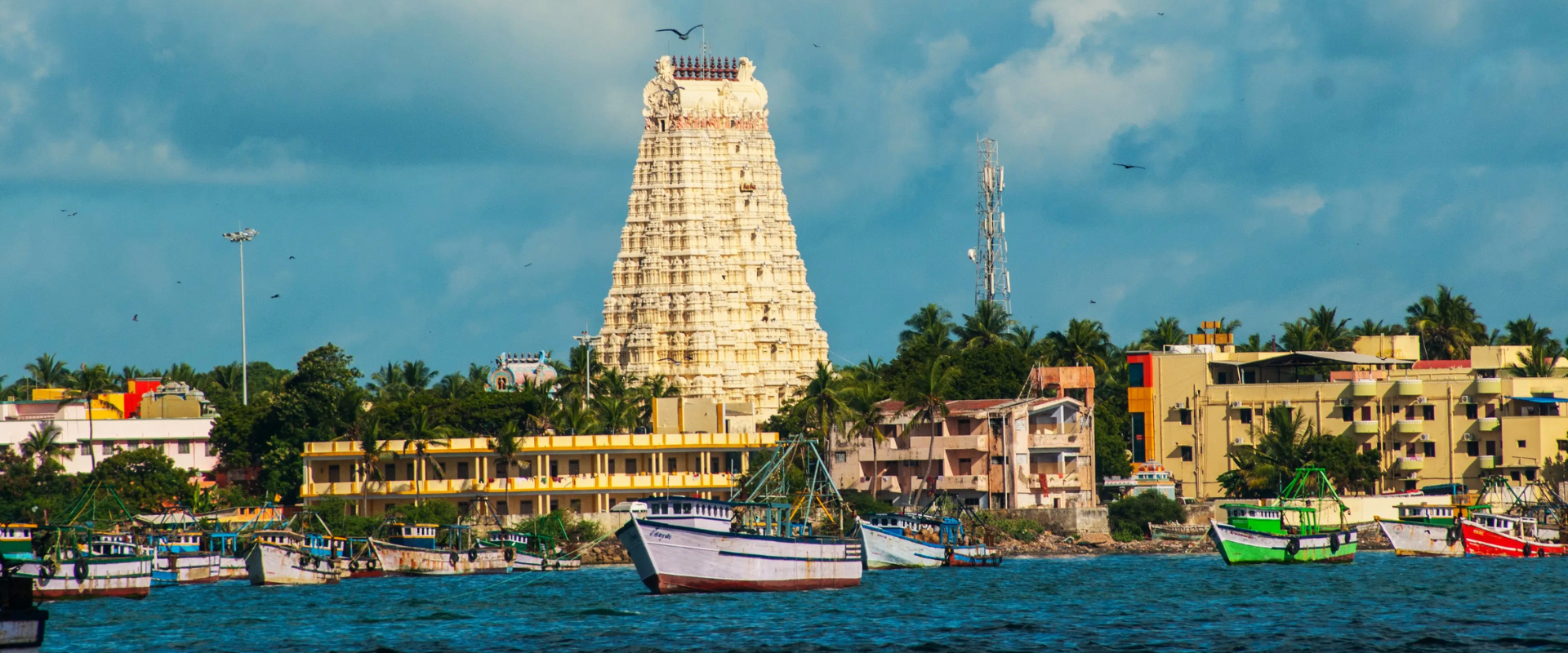
An emerging pattern in sustainable travel is taking shape as urban residents increasingly test long-distance electric vehicle (EV) routes. A recent 1,400-kilometre journey from Bangalore to Madurai and Rameshwaram highlights the viability of EVs for spiritual tourism, combining historic temple visits with climate-conscious mobility. This route demonstrates how expanding fast-charging networks in Tamil Nadu are enhancing access to key cultural and religious hubs.
The journey began with a pre-dawn departure from Bangalore, targeting a full-day drive to Rameshwaram. Strategic planning around charging infrastructure allowed seamless travel, with stops at Zeon-operated fast chargers located alongside popular eateries such as A2B Rasipuram and Temple City Vadipatti. EV-specific considerations, including daytime driving, regular breaks for senior travellers, and optimised state-of-charge management, were central to ensuring efficiency and comfort over the three-day pilgrimage.
The first leg covered roughly 650 km, culminating in a late-afternoon arrival in Rameshwaram. Temple access was facilitated through careful timing, with evening darshans significantly reducing crowd density. Early-morning spiritual practices, including the iconic 22 Kund snan at Sri Arulmigu Ramanathaswamy Temple, highlighted the intersection of cultural experience and logistical planning in sustainable travel. Observers note that structured rest stops combined with accessible EV charging enable multi-day trips that would previously have been considered challenging for electric vehicles. The second day connected Rameshwaram to Madurai, covering 200 km along largely undivided highways. Stops for midday meals coincided with EV charging sessions, ensuring continuous momentum. The Meenakshi Temple visit demonstrated the importance of urban mobility solutions in dense city environments, where private EV parking is limited. App-based taxi services provided efficient last-mile connectivity, reflecting growing demand for integrated mobility options in heritage districts.
Overall, the journey covered 1,411 km with an average speed of 58 km/h, consuming approximately 3.5 INR per kilometre in DC fast-charging costs. Analysts suggest that such routes showcase both the potential and limitations of EV adoption in southern India, particularly for leisure and tourism markets. Industry experts highlight that sustained investment in high-capacity chargers and urban transit integration will be essential to scaling these experiences safely and inclusively. As cities pursue zero-carbon and resilient transport networks, long-distance EV travel for cultural tourism may emerge as a viable model. Insights from this trip underline the need for coordinated infrastructure planning that accounts for both urban congestion and regional connectivity, ultimately enhancing citizen mobility while reducing environmental impact.