


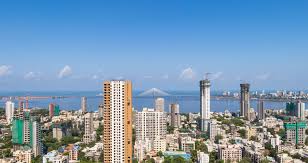
A high-value apartment registration in Mumbai’s Bandra Reclamation has once again highlighted the sustained appetite for luxury housing along the city’s western waterfront. Property documents reviewed by Urban Acres show that a 1,300 sq ft residence in an under-construction high-rise was transacted for Rs 7.63 crore earlier this week, reinforcing Bandra’s position as one of the country’s most premium micro-markets.
The apartment, located on the 14th floor of a sea-facing residential tower being developed by Hiranandani Developers, includes two dedicated parking spaces. Registration records indicate stamp duty of Rs 38 lakh was paid, along with standard registration charges. Possession is expected in late 2030, reflecting the longer construction timelines typical of premium coastal developments. Bandra Reclamation, situated near the Bandra Worli Sea Link, has evolved into a high-density vertical neighbourhood catering to affluent professionals, entrepreneurs and media personalities. Industry analysts say that demand for luxury housing in this pocket remains resilient despite elevated ticket sizes, largely due to limited land supply, established social infrastructure and connectivity advantages. Unlike emerging suburban corridors, Bandra’s pricing is primarily land-driven. With redevelopment opportunities constrained and environmental regulations governing coastal zones, new supply tends to command premium rates. Transactions in under-construction projects also indicate buyer confidence in long-term capital appreciation, even with possession several years away.
Urban economists note that celebrity purchases often mirror broader market behaviour rather than create it. Over the past two years, Mumbai’s high-end residential segment has seen consistent absorption, supported by strong liquidity among high-net-worth households and stable lending conditions. Payment structures linked to construction milestones, as seen in this deal, also help distribute financial commitments over multiple years. However, planners caution that continued vertical growth along waterfront stretches must be matched with robust infrastructure planning. Drainage capacity, coastal resilience measures and traffic management remain pressing concerns in Bandra and adjoining precincts. As climate risks intensify, high-value developments will increasingly be judged not only by design and views, but by their adherence to environmental safeguards and energy efficiency standards. The sustained momentum in luxury housing underscores a broader shift in Mumbai’s residential geography where prestige locations continue to draw capital, even as affordability pressures mount elsewhere in the metropolitan region.
For policymakers, the challenge lies in ensuring that premium growth contributes to balanced urban development through inclusionary housing norms, transit integration and climate-responsive construction. With possession timelines stretching to 2030, the next phase of Mumbai’s waterfront evolution will depend as much on regulatory oversight and infrastructure readiness as on buyer appetite.
Also Read: Mumbai Jogeshwari sees new luxury housing deal
Bandra waterfront draws luxury housing buyers
