


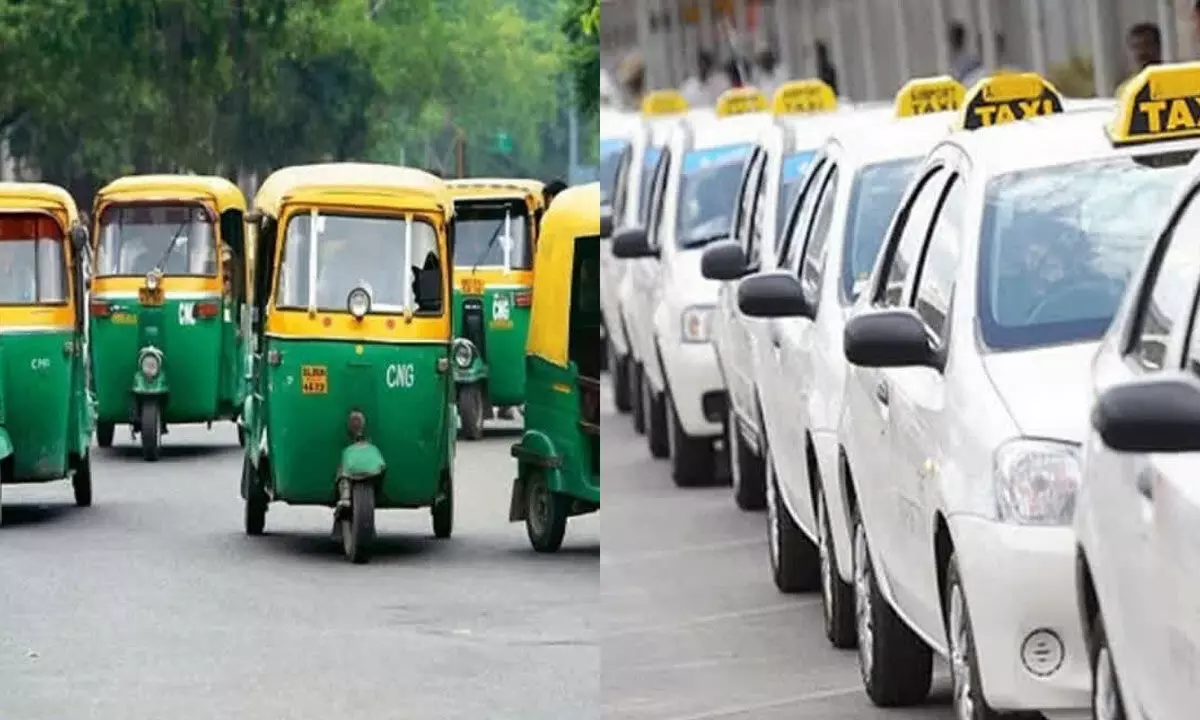
Mumbai’s passenger transport services are set to face disruption on Thursday as autorickshaw, taxi, and cab drivers plan a statewide strike, citing alleged corruption and favouritism within the transport department. The protest, organised by a prominent drivers’ forum representing thousands of gig and app-based service operators, comes amid claims that officials have colluded with private companies, raising concerns over fairness and regulation enforcement.
According to the forum, regulatory oversight has been compromised, allowing app-based platforms such as Ola, Uber, and Rapido to operate beyond permissible guidelines. The drivers allege that instead of enforcing fare regulations, authorities have accepted sponsorships from these companies while penalising traditional operators. “Drivers demanding enforcement of fair fares are being targeted with legal cases, while companies violating rules face no action,” stated an official representing the forum. The strike has been timed strategically, coinciding with a visit from a central finance department team to Maharashtra. Organisers aim to draw attention to what they describe as systemic mismanagement and widespread corruption within the transport administration. Key urban centres, including Mumbai and Pune, are expected to experience the most disruption, affecting daily commuters, airport transfers, and intercity travel.
The forum has staged previous protests at major civic locations, including central transportation hubs and regulatory offices. Despite repeated demonstrations, the group claims that complaints remain unaddressed, prompting the decision to implement a complete work stoppage. Observers note that such strikes highlight the increasing tension between traditional drivers and rapidly expanding app-based mobility networks. Industry experts suggest that these disputes underscore deeper challenges in India’s urban transport framework, including regulatory ambiguity, inequitable competition, and the need for transparent oversight mechanisms. Ensuring equitable treatment between gig economy operators and traditional transport services is critical for maintaining service reliability and public trust.
The strike is expected to test the resilience of Maharashtra’s commuter ecosystem, potentially spurring dialogue between authorities, private mobility companies, and drivers’ associations. Officials have indicated that discussions to resolve the dispute may include fare guideline enforcement, transparent licensing practices, and mechanisms to prevent undue influence from corporate stakeholders. As urban transport systems expand and digital platforms proliferate, the controversy emphasises the need for inclusive policy-making that safeguards both service providers and passengers. While the immediate focus is on operational disruptions, the broader narrative points to the urgent requirement for regulatory reforms in Maharashtra’s rapidly evolving mobility sector.
Also Read : Bengaluru Launches Fresh Tenders To Revive 149 Km Suburban Rail Project
