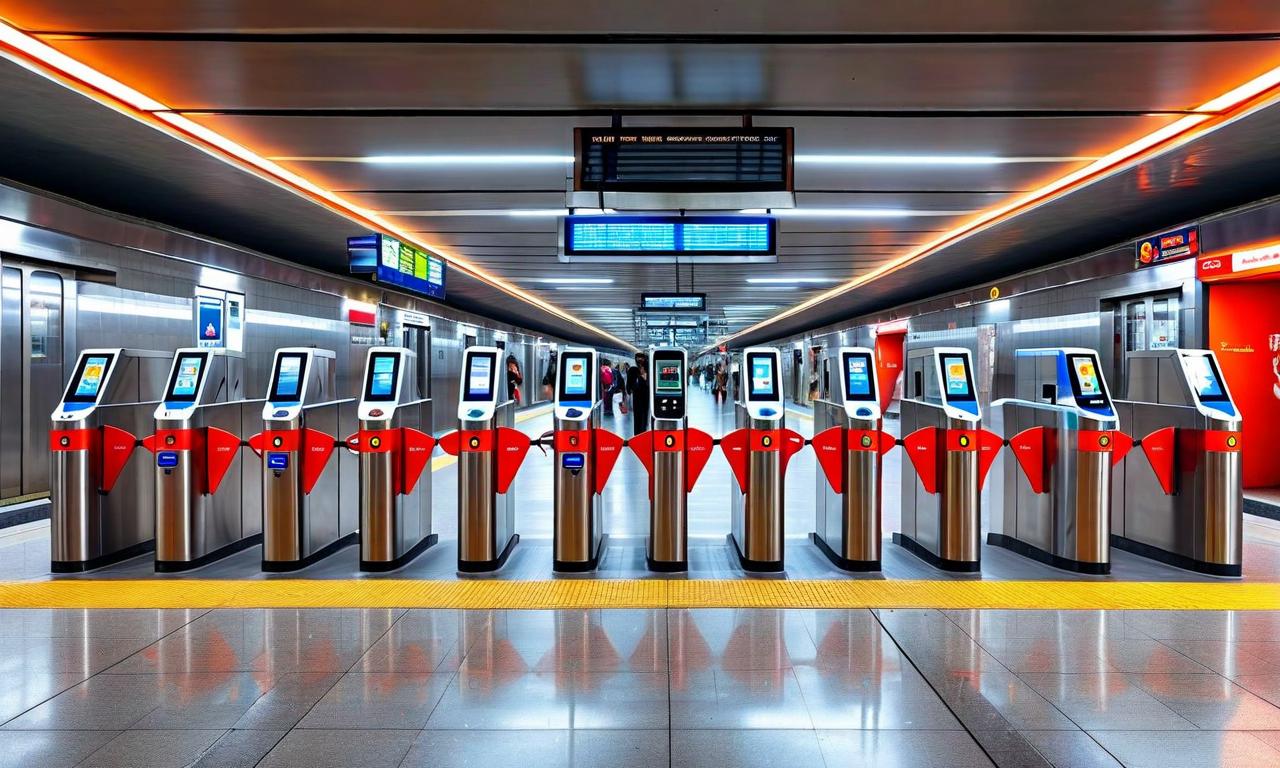
India’s expanding metro rail ecosystem is increasingly being shaped by digital infrastructure choices as much as by tracks and rolling stock. In a recent development, a Mumbai-based technology firm has secured a substantial contract linked to the Bhopal and Indore Metro projects, underscoring how automated fare systems are becoming central to urban mobility planning in emerging tier-two cities.
The order, valued at approximately ₹150 crore, has been awarded through the national metro implementation agency to deliver automated fare collection systems for the two Madhya Pradesh capital projects. The scope includes design, supply, installation and long-term maintenance of contactless ticketing infrastructure, positioning fare management as a foundational layer of the upcoming metro networks rather than a secondary add-on. Urban transport planners note that automated fare collection systems are no longer limited to revenue handling. They influence commuter experience, station throughput, operational efficiency and data-led planning. For Bhopal and Indore, cities experiencing steady population growth and rising daily commute distances, integrated fare systems are expected to reduce friction at entry points and encourage modal shift from private vehicles to mass transit.
The contract includes the deployment of open-loop digital ticketing solutions that allow commuters to pay using bank cards and QR-based platforms, aligned with national and global payment standards. Such systems are designed to work seamlessly across multiple transport modes in the future, enabling interoperability between metro lines, buses and other urban transit services. According to transport economists, this interoperability is critical for building people-first transport systems that reduce emissions and support compact urban growth.
A key aspect of the project is its long-term horizon. The agreement spans multiple years and includes a five-year operations and maintenance component. This reflects a broader shift in public transport procurement towards lifecycle-based contracts, where system reliability, uptime and adaptability are prioritised over one-time installation costs. Industry experts say this approach improves accountability while ensuring technology remains functional as ridership scales up.
The Bhopal and Indore Metro projects are part of a wider push to bring rail-based mass transit to mid-sized Indian cities. Unlike megacities, these urban centres face tighter fiscal constraints and different travel patterns, making cost-efficient, scalable digital systems particularly important. Automated fare collection reduces cash handling, improves transparency and generates real-time data that can inform service planning and land-use decisions around stations. From a sustainability perspective, smoother fare access can have measurable climate benefits. Faster passenger movement through stations reduces dwell times and energy consumption, while higher public transport adoption supports lower per-capita transport emissions. Urban planners also highlight the role of digital ticketing in improving accessibility for women, elderly passengers and people with disabilities through simplified, predictable travel processes.
As metro construction progresses in Madhya Pradesh, attention is now shifting towards how well operational systems integrate with city planning, feeder networks and station-area development. The effectiveness of these fare systems will ultimately be judged not just by technology performance, but by whether they help make metro rail the default choice for daily urban travel.
Aurionpro Expands Metro Payments Footprint In Madhya Pradesh