


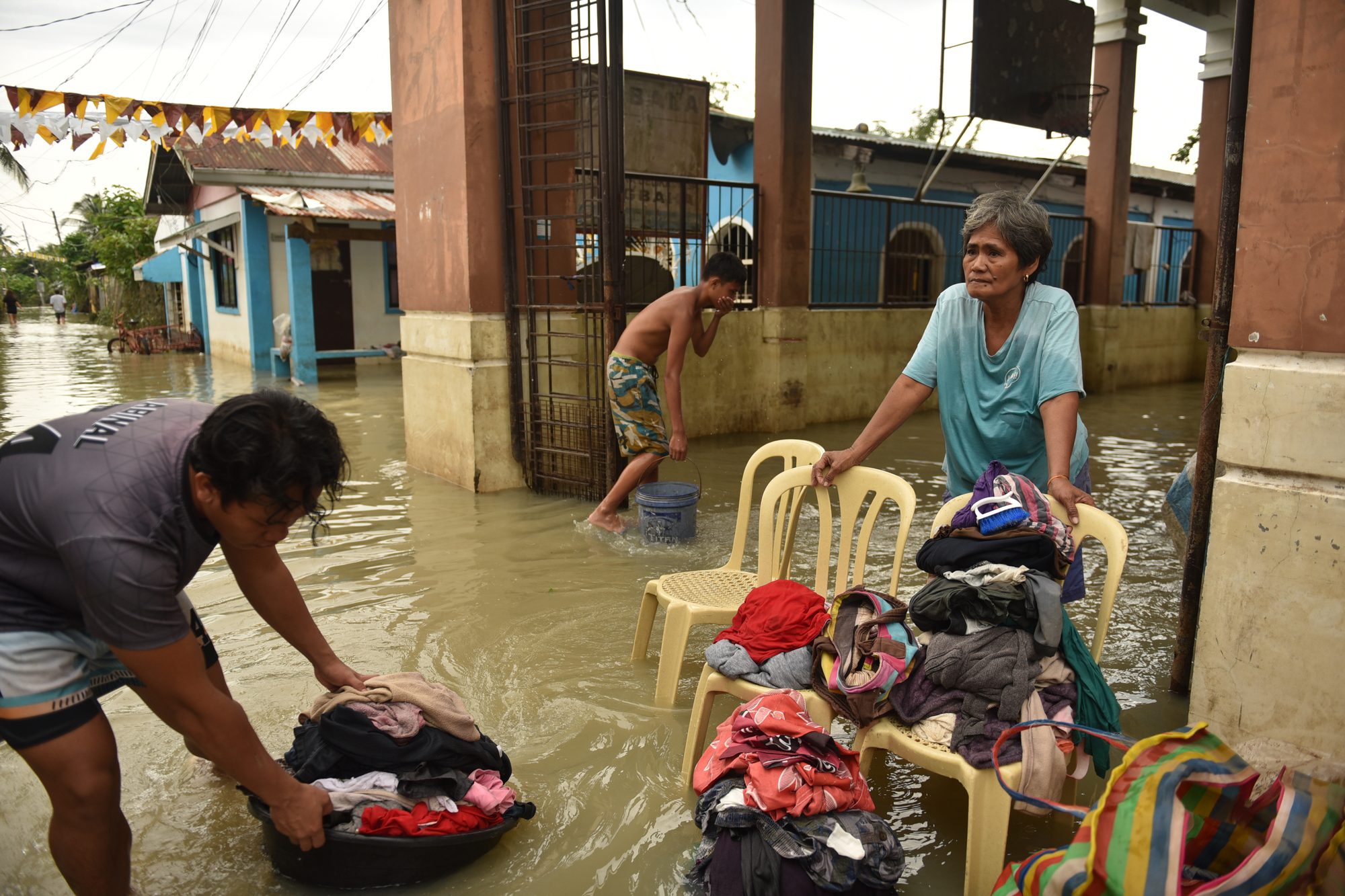
Access to safe drinking water has always been a challenge for the residents of a small village in Assam’s Cachar district. For the 32 families living in this remote area, the monsoon season brings months of hardship, as rising waters of the Barak River flood the surroundings, making the land inaccessible and the water sources contaminated with silt, debris, and pollutants.
The villagers had no choice but to rely on unsafe water sources, increasing the risk of waterborne diseases and poor health.But a significant transformation has taken place in this village, one that is changing lives and communities for the better. The introduction of a mobile water treatment unit has brought clean drinking water to the village for the very first time. This intervention has not only resolved an immediate crisis but is also laying the groundwork for long-term resilience. The unit, designed for ease of use and minimal technical expertise, pumps lake water, filters out impurities, and disinfects it using chlorine. In fact, it has become so familiar that even the children in the village have learned how to operate the unit.
The solution, however, is not just a temporary fix. It represents a sustainable approach to water management that ensures the village will no longer have to rely on unsafe water sources. A dedicated 14-member committee, which includes six women, now oversees the operations of the mobile unit, ensuring the community can access safe drinking water on a daily basis. The villagers contribute Rs 20 per week for the upkeep and daily water collection, providing a model of sustainability and community-led responsibility.Additionally, plans are in place to install a storage tank, reducing the need for frequent operation of the mobile unit and further improving the overall water management system.
During the flood season, when the village is cut off from the mainland and many areas face water shortages, the mobile unit not only serves the village of Tukergram but also provides clean drinking water to the surrounding areas, preventing the spread of waterborne diseases.This project is more than just a solution to a village’s water woes; it is part of a larger effort to scale up similar initiatives across flood-prone regions. By integrating emergency response efforts with sustainable water, sanitation, and hygiene (WASH) programmes, the aim is to help vulnerable communities build resilience against future disasters. This shift from emergency relief to long-term sustainability reflects a growing understanding of the importance of equipping communities with the tools to overcome the challenges they face year after year.
For the residents of Tukergram, this mobile water treatment unit has become a lifeline, not only providing them with clean water but also restoring a sense of hope and security. In a region where water scarcity has long been a significant issue, this intervention represents a crucial step toward a more resilient and sustainable future. With community-led management and continued support, this initiative can inspire similar solutions in other parts of Assam and beyond, offering a model for flood-prone areas across the country.As efforts to scale this model continue, the focus remains on ensuring that these interventions are not just a response to crises but a proactive, ongoing effort to improve the lives of those living in vulnerable regions. By tackling water scarcity and waterborne diseases, these initiatives have the potential to create long-lasting change, fostering healthier communities and a more sustainable future for all.
