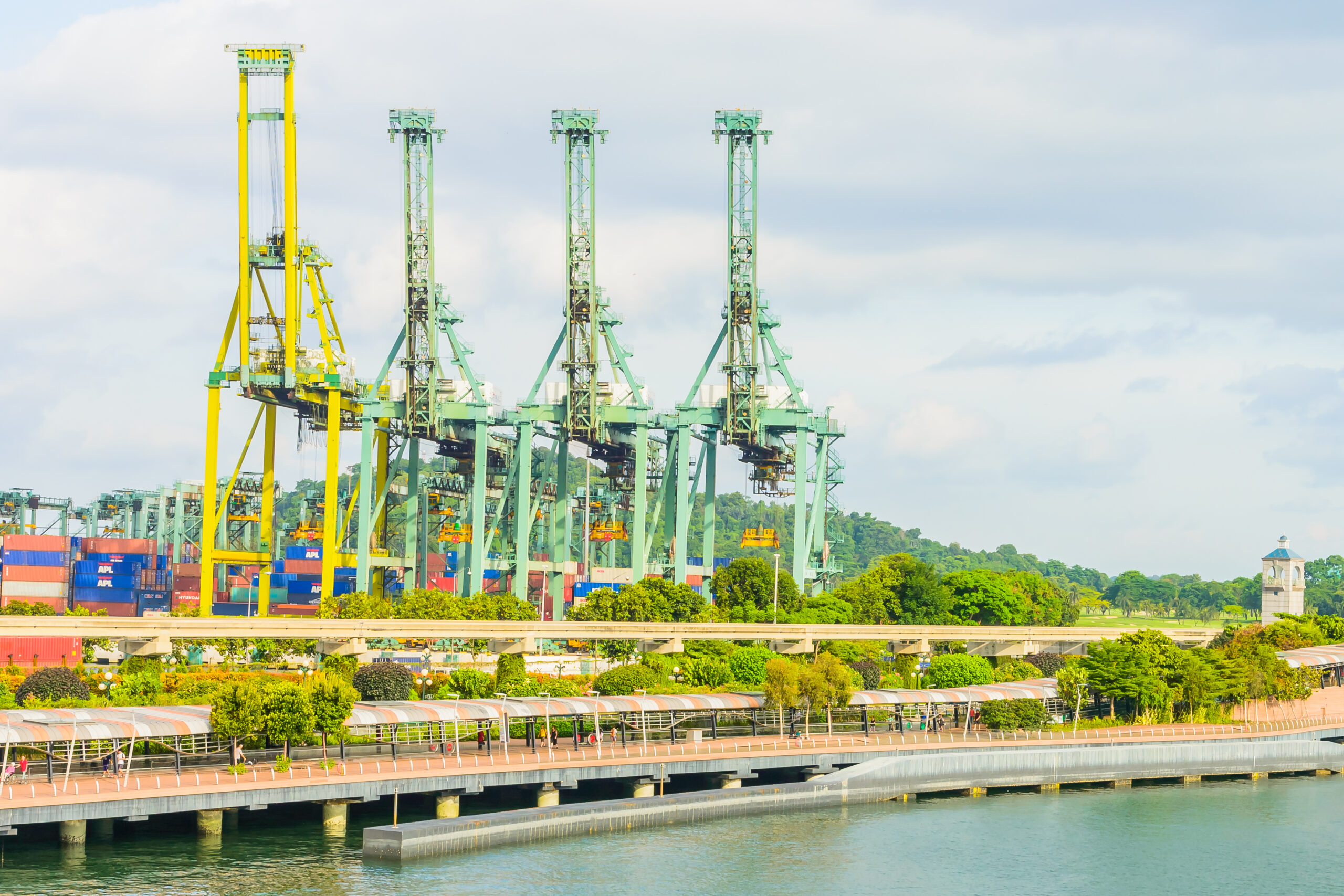
Mumbai has opened its coastline for a new chapter in inter-state collaboration, with a key parcel of port land being leased to Assam for the creation of public infrastructure. The decision grants four bighas—nearly 2.5 acres—at Colaba to the Assam government for a 60-year period, enabling the state to establish a long-awaited centre in the country’s financial capital.
Officials confirmed that the land was allotted by the Mumbai Port Authority after a formal request from the Assam administration to the Union Ministry. The initiative is being positioned as a “people-first” project designed to serve the long-term needs of students, patients, entrepreneurs and community members from the northeastern state who travel frequently to Mumbai.
Situated in one of the most premium neighbourhoods of Mumbai, the parcel offers rare real estate access in the country’s busiest port city. Authorities said the project is expected to house facilities ranging from healthcare and educational support to social welfare services and even incubation spaces for emerging entrepreneurs. The idea is to create a multifunctional hub that blends public utility with modern design, ensuring both accessibility and sustainability.
Urban development experts observed that the allocation represents a broader effort to make Indian cities more inclusive by accommodating the aspirations of diverse communities. In this case, the Assam hub in Mumbai is set to serve as a lifeline for those seeking advanced medical treatment, higher education, and business opportunities in the metropolis.
Officials emphasised that the project will be developed in alignment with eco-friendly practices, including energy-efficient design and zero-waste construction methods. With a long lease in place, the state will have both time and flexibility to roll out infrastructure that adheres to net-zero commitments while creating tangible social impact. Mumbai, already a magnet for talent and innovation, is expected to provide a unique platform for entrepreneurs from Assam to tap into the country’s largest financial ecosystem. Authorities believe that by bridging this geographical gap, the project will contribute to equitable growth while reinforcing cultural and economic linkages between India’s northeast and its western coast.
Observers also point out that the move reflects a shift in port city land use towards socially beneficial projects. With mounting pressure on metropolitan spaces, the allocation of prime land for welfare-oriented development rather than commercial exploitation signals a deliberate change in urban planning priorities. For citizens, the hub could become more than just an institutional centre; it is envisioned as a sustainable anchor point that makes Mumbai more accessible for those travelling from afar, while also fostering a stronger sense of inclusivity in the city’s evolving urban narrative.