


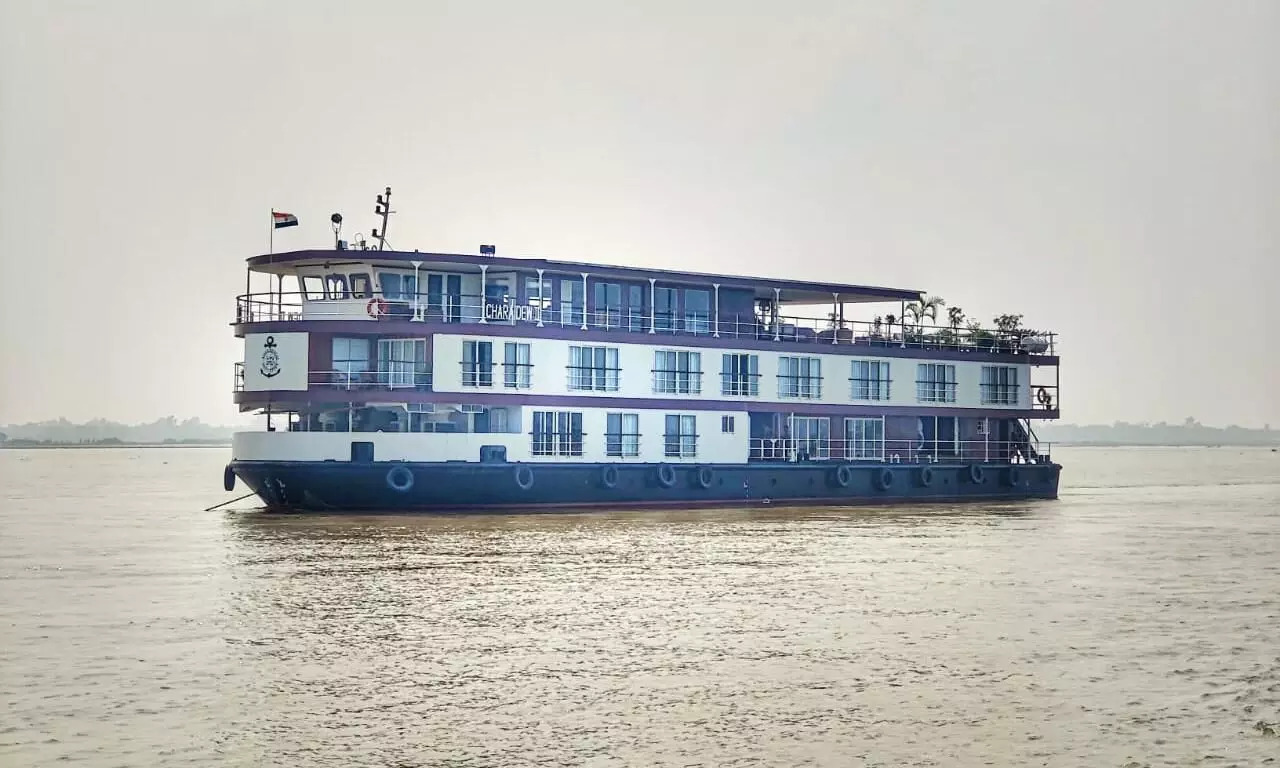
Assam is on the cusp of a significant infrastructure overhaul as the central government commits a substantial ₹300 crore investment to bolster its inland waterways. This strategic financial injection is earmarked for the development of new tourism and cargo jetties across key locations including Silghat, Neamati, Biswanath Ghat, and Guijan. The initiative marks a pivotal step towards modernising the region’s transport network, aiming to unlock the vast potential of its rivers for both commercial logistics and sustainable tourism, thereby fostering eco-friendly urban development and enhanced regional connectivity.
The comprehensive investment plan underscores a renewed focus on leveraging Assam’s extensive riverine network, which historically served as vital arteries for trade and travel. By constructing new jetties, the project aims to create robust infrastructure for efficient cargo handling, facilitating smoother movement of goods and reducing reliance on more carbon-intensive road transport. Simultaneously, the development of dedicated tourism jetties will enhance accessibility to the state’s picturesque riverine landscapes and cultural sites, promising to boost the local tourism economy and create new livelihood opportunities for communities along these waterways. This dual approach signifies a commitment to both economic growth and environmental stewardship.
Further demonstrating a forward-thinking approach to urban mobility, plans are actively underway for the introduction of Water Metro projects in major urban centres such as Guwahati, Tezpur, and Dibrugarh. Feasibility studies for these innovative urban transport solutions have already been concluded, indicating a readiness to proceed with implementation. The Water Metros are envisioned to provide a modern, efficient, and significantly more sustainable mode of urban transport, alleviating road congestion and reducing vehicular emissions. This shift towards water-based public transit aligns seamlessly with the global agenda of creating zero net carbon and eco-friendly cities, offering a cleaner alternative for daily commuting.
To ensure the safety and efficiency of these revitalised waterways, the government is also establishing modern lighthouses at strategic points, including Pandu, Tezpur, Biswanath, and Bogibeel. These lighthouses are not merely navigational aids; they will integrate advanced India Meteorological Department (IMD) centres, providing precise and localized weather forecasts. This crucial meteorological support will enhance operational safety for both cargo and passenger vessels, allowing for better planning and risk mitigation in varying weather conditions. The initiative’s support from the Ministry of Environment, Forest & Climate Change further underscores its alignment with broader environmental protection goals, ensuring that infrastructural development is harmonised with ecological considerations.
The revitalisation of Assam’s inland waterways is expected to yield multifaceted economic and social benefits. Improved cargo movement will reduce logistics costs for businesses, enhancing the competitiveness of local industries and facilitating trade with neighbouring regions. The development of tourism infrastructure will attract a larger influx of visitors, stimulating growth in the hospitality sector, handicrafts, and local services. Furthermore, the enhanced connectivity provided by these water-based transport systems will improve accessibility for remote communities, fostering greater social inclusion and equitable access to markets and services. This integrated approach to development aims to create a more balanced and resilient regional economy.
Beyond the immediate economic advantages, the emphasis on water transport carries significant environmental dividends. Inland waterways are widely recognised as a more fuel-efficient and less polluting mode of transport compared to road or rail, contributing directly to the reduction of carbon emissions. By promoting a shift towards water-based logistics and passenger services, the initiative actively supports the creation of zero net carbon cities and regions. The strategic placement of jetties and the planning of water metros are designed to integrate seamlessly with urban landscapes, promoting sustainable urbanisation without compromising the natural integrity of the riverine ecosystems.
This comprehensive investment in Assam’s inland waterways represents a strategic vision for the state’s future, positioning it as a model for sustainable regional development. By enhancing connectivity, fostering economic growth, and prioritising eco-friendly transport solutions, these projects are set to transform the lives of millions. The commitment to modern infrastructure, coupled with environmental sensitivity and a focus on community benefits, reflects a progressive approach to building resilient and equitable cities that thrive in harmony with their natural environment.
Also Read :Kolkata Awarded JSW Infra Rs 740 Cr Contract to Rebuild Berth 8 and Mechanise Berths 7–8
