Assam Jogighopa Coal Transport Under Scrutiny For Massive GST Evasion Allegations
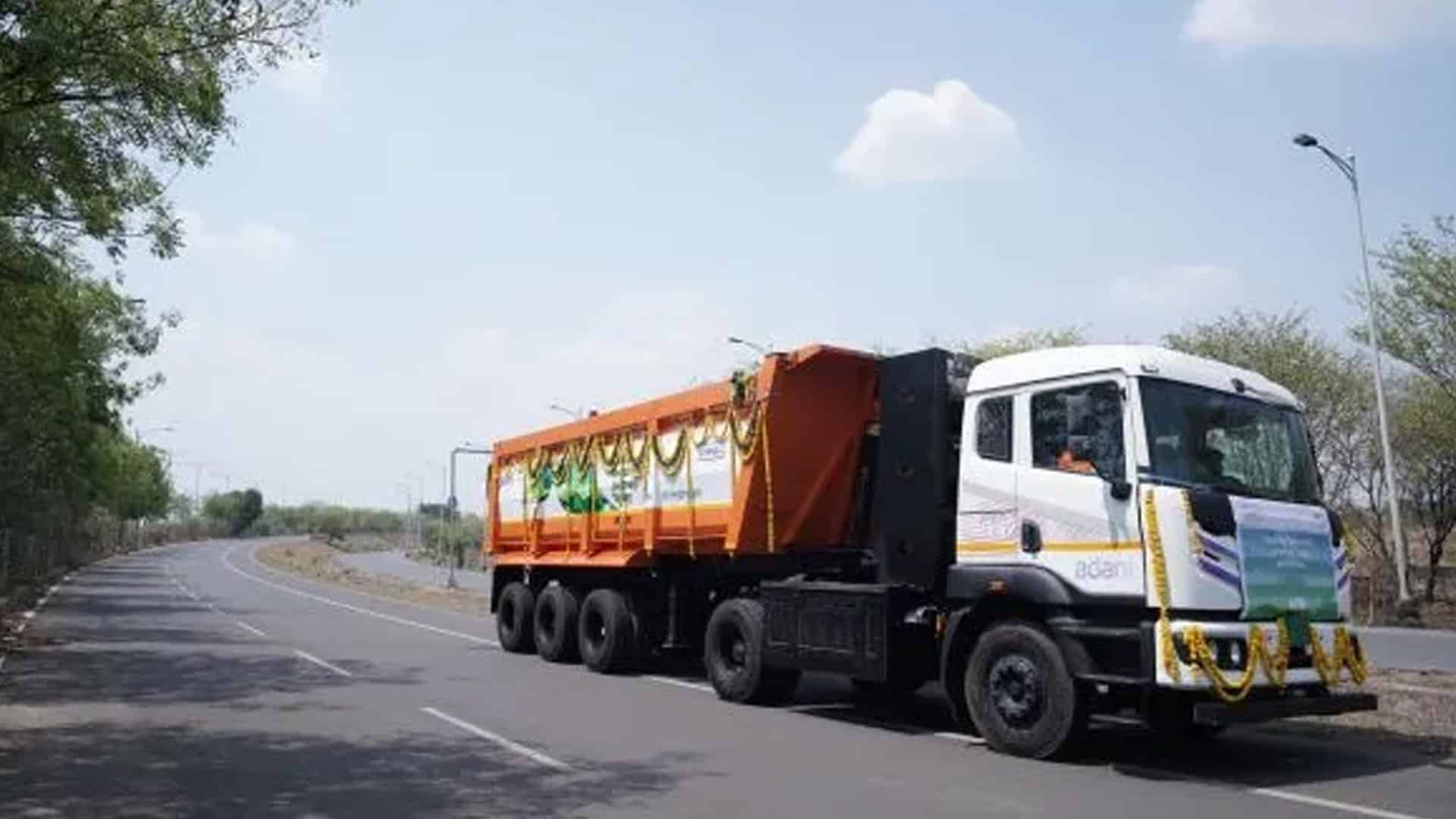
Authorities in Assam have intensified scrutiny of coal transport from Jogighopa in Bongaigaon district following allegations of large-scale Goods and Services Tax (GST) evasion. Reports suggest that multiple consignments, each liable for over ₹50,000 in GST, may have bypassed official taxation through the use of falsified invoices. The investigation highlights potential systemic loopholes in monitoring and raises questions about regulatory oversight in a sector crucial to both state revenue and urban infrastructure funding.
Sources indicate that a network of traders and transporters may have been issuing digital GST invoices at minimal values, sometimes as low as ₹2,000, to avoid remitting the legally mandated tax. Such practices, if confirmed, could represent a significant revenue loss for both state and central authorities and undermine compliance mechanisms designed to track high-volume commodity movements.Local officials have named several individuals in connection with the alleged evasion, though no formal charges have been announced yet. The scope of the purported racket has prompted scrutiny of the mechanisms employed by both State GST (SGST) and Central GST (CGST) authorities to monitor high-value commodity logistics. Industry experts argue that lapses in auditing and verification may have allowed such activities to continue undetected for an extended period.
“The coal sector, especially in regions like Jogighopa, needs transparent and accountable monitoring to safeguard revenues,” a senior urban governance analyst said. “Uncollected taxes impact funding for urban development projects, including sustainable transport, energy-efficient infrastructure, and community facilities that cities increasingly depend on.”
Critics have urged authorities to conduct forensic audits of GST filings and thoroughly examine transport records, stressing that timely intervention is essential to prevent further losses. Observers note that addressing these issues is not only a fiscal necessity but also aligns with broader objectives of creating equitable and sustainable urban systems where regulatory compliance supports public investment and climate-conscious city planning.