


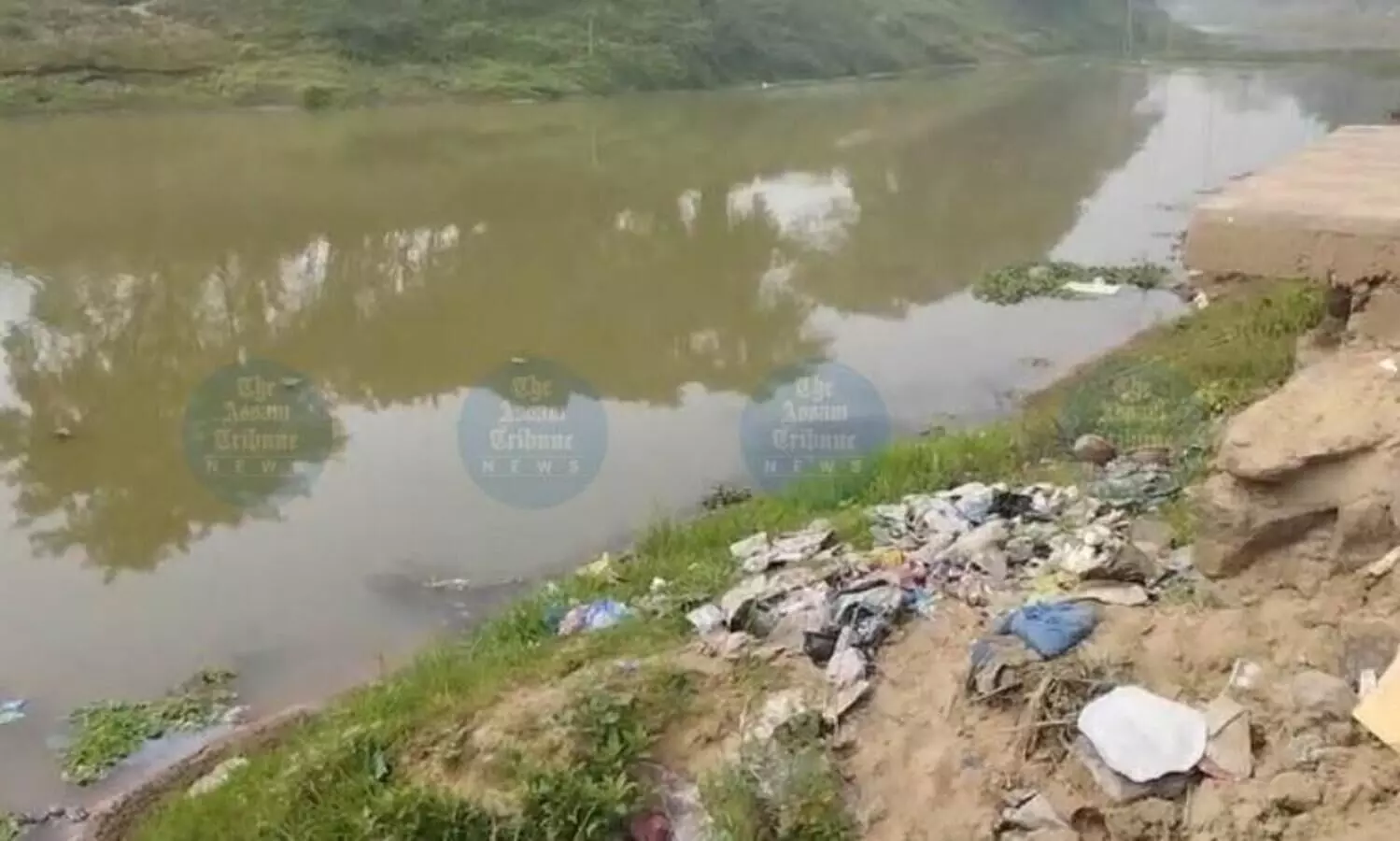
the Comptroller and Auditor General (CAG) of India has highlighted the alarming absence of Sewage Treatment Plants (STPs) in the state, which has resulted in the persistent pollution of its water bodies. The state’s urban bodies have been under scrutiny, with the CAG’s recent report pointing to their failure to comply with national service standards, resulting in severe ecological consequences for Assam’s vital waterways.The Ministry of Urban Development’s introduction of Service Level Benchmarks (SLBs) in 2009 aimed to ensure the efficient delivery of key urban services, including water supply, sewerage, and solid waste management.
However, the report indicates that Assam’s Urban Local Bodies (ULBs) have consistently failed to meet these benchmarks. One of the most pressing issues identified is the inadequate infrastructure for sewage treatment, which has left Assam’s water bodies contaminated with untreated sewage, posing significant risks to public health and the environment.Despite the national push towards better sanitation and water management, the CAG report reveals that only a handful of ULBs have made any noticeable improvements. Many of these bodies lack the necessary facilities to process waste efficiently, and as a result, untreated sewage continues to flow into rivers, lakes, and other water sources, exacerbating pollution levels across the state.
This deficiency is not just an environmental concern but a public health emergency, as Assam’s urban population remains vulnerable to waterborne diseases and poor sanitation conditions.The report also underscores the failure of most of the state’s ULBs to meet the SLB’s critical requirement of segregating solid waste at its source. With many ULBs failing to achieve even half of the segregation target, this neglect further contributes to the pollution crisis, with landfills and waterways being inundated by unmanaged waste.
For years, the government’s approach to sanitation and water treatment has been half-hearted, with limited resources allocated to developing infrastructure that can handle growing urban populations and increasing waste generation.
Additionally, the absence of a reliable data collection and monitoring system has left these deficiencies largely unchecked. The result is a widening gap between policy goals and the ground realities, making it evident that Assam needs to urgently reform its urban services sector to meet the needs of its citizens and safeguard its natural resources.The need for comprehensive, sustainable solutions is now more pressing than ever. If Assam is to tackle its growing pollution crisis and provide its citizens with clean water and improved sanitation, a multi-pronged approach is essential. This must include the establishment of sewage treatment plants, robust waste management systems, and stricter enforcement of service level benchmarks.
The state’s future depends on its ability to make these crucial investments and create a more eco-friendly, sustainable urban environment for generations to come.Assam’s environmental challenges reflect a larger issue facing many Indian states, where urbanisation outpaces the development of essential infrastructure. As the state grapples with this issue, it becomes clear that the road to a sustainable future lies in reforming its urban policies and ensuring that water bodies, along with the people who depend on them, are protected from further damage.
