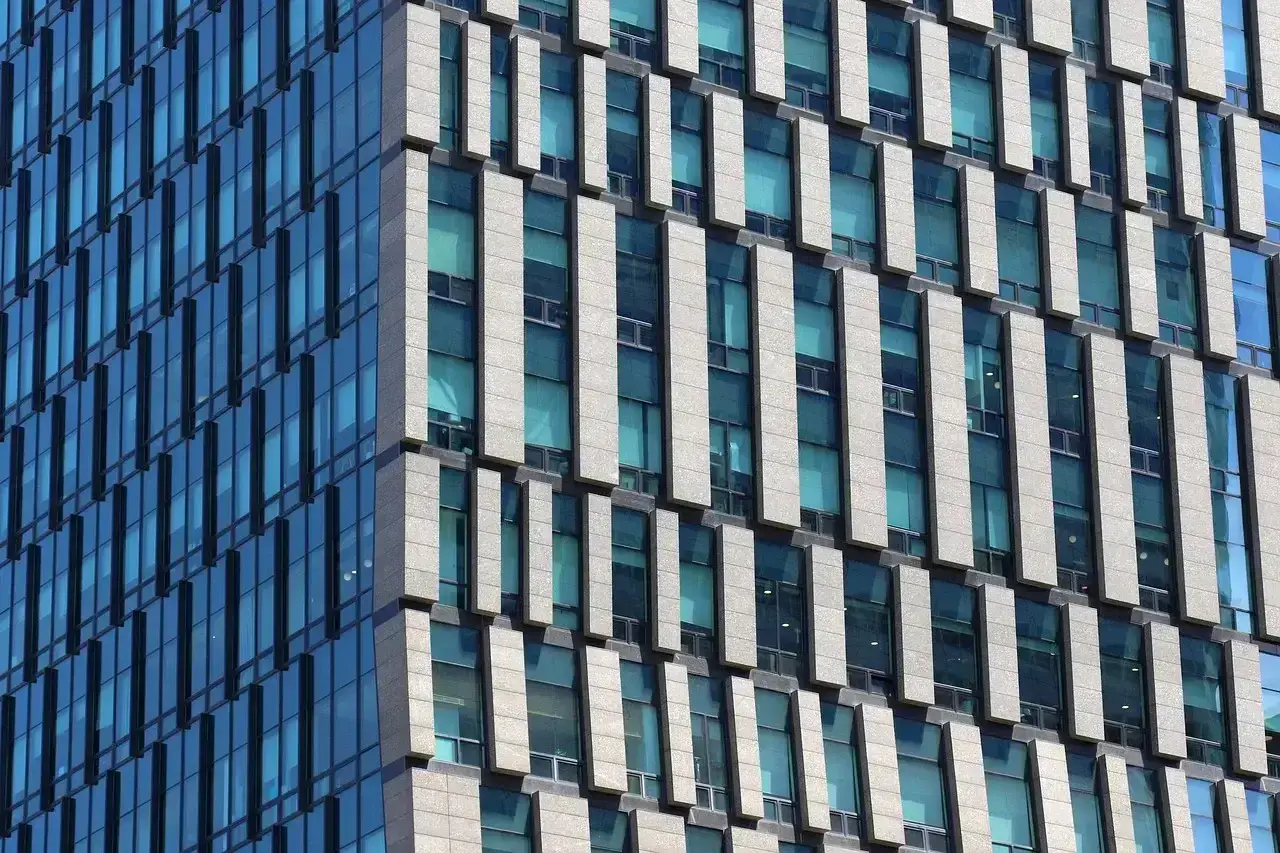
Mumbai is set to host Asia’s largest global capability centre (GCC) under a landmark development agreement that signals renewed confidence in Maharashtra’s urban economy and long-term infrastructure vision. The large-scale project, planned within the Mumbai Metropolitan Region, is expected to reshape the city’s office market while reinforcing its position as a preferred destination for global enterprises seeking stable, future-ready locations.
The development will house a single GCC for a leading multinational banking institution under a long-term arrangement spanning two decades. With completion targeted for 2029, the project is expected to attract investments exceeding $1 billion and generate more than 30,000 direct jobs, making it one of the most significant white-collar employment generators in recent years. The project is being executed through a partnership between the regional development authority and a private real estate venture led by a global asset manager with a strong presence in India. Officials familiar with the agreement said the development will be purpose-built to international specifications, reflecting the growing demand for customised, large-format office campuses from global corporations consolidating operations in India.
Urban economists note that GCCs have emerged as a key pillar of Mumbai’s post-pandemic growth strategy, driving demand for Grade A office space while creating high-value employment across technology, finance, analytics, and operations. “These centres are no longer back offices. They are now core to global decision-making, innovation, and risk management,” an industry expert said. Sustainability has been positioned as a central feature of the development. According to officials, the campus will be designed to market-leading environmental standards and will operate on 100 percent green power. This aligns with Maharashtra’s broader ambition to attract investment that supports climate resilience, energy efficiency, and inclusive urban growth without compromising economic competitiveness.
The announcement also builds on a wider investment roadmap for the Mumbai Metropolitan Region. Earlier this year, the same global investor had committed to a multi-billion-dollar investment programme in partnership with regional authorities, alongside acquiring prime land parcels to develop mixed-use urban assets. A similar build-to-suit GCC project was commissioned in Pune last year, reinforcing the state’s emerging GCC corridor strategy. Senior government officials said Maharashtra’s focus on infrastructure delivery, regulatory clarity, and talent development has been instrumental in attracting large-scale global operations. The recently announced GCC-focused policy framework aims to support high-value employment, skill development, and long-term economic stability across urban centres.
Located within an established mixed-use district, the proposed campus is expected to benefit from strong transport connectivity, access to social infrastructure, and a deep talent pool. Urban planners argue that such developments, when integrated thoughtfully, can reduce commute stress, encourage public transport usage, and support more balanced urban expansion. As Mumbai continues to compete with global cities for capital and talent, projects of this scale highlight how strategic planning, sustainable design, and institutional coordination can deliver both economic growth and long-term urban resilience.
Asias Largest Global Capability Center Coming To Maharashtra Under Brookfield Project