Asia Powder Coatings Growth Mirrors Urban Industrial Expansion
The Asia-Pacific powder coatings market is set for sustained expansion through 2035, driven by escalating industrialisation, rising urban construction activity and regulatory pressures that favour low-emission finishing technologies. New analysis of the regional coatings landscape highlights how rapid urban growth, infrastructure programmes and evolving sustainability standards are reshaping the uptake of powder coatings — a critical input in sectors ranging from architectural metalwork to automotive componentry.
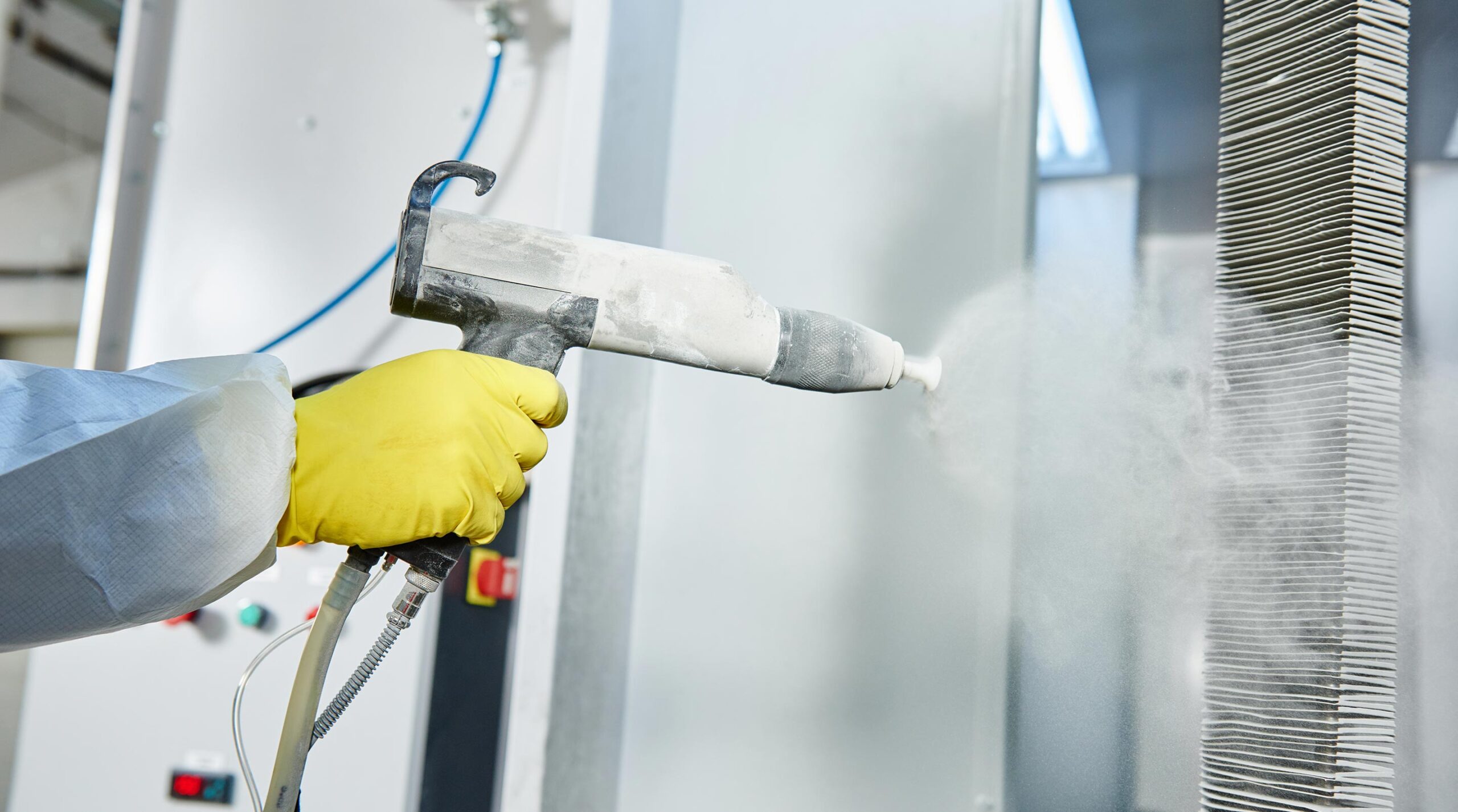
Powder coatings are dry finishing materials applied electrostatically and cured under heat, offering durable protection with minimal volatile organic compound (VOC) emissions. They are increasingly displacing traditional liquid coatings in industrial and urban construction applications, as policymakers and manufacturers seek solutions that cut emissions and improve lifecycle performance in dense city environments.In Asia-Pacific — the world’s largest regional segment for powder coatings — demand is tightly correlated with manufacturing output and construction spending. China, India, Japan, South Korea and ASEAN nations collectively dominate production and consumption, reflecting broad urbanisation and heavy infrastructure investment. This regional leadership is underscored by continued demand for coated aluminium extrusions in building façades, corrosion-resistant finishes for transportation infrastructure, and heat- and abrasion-resistant surfaces in appliances and equipment.
Urban planners and industrial analysts point to a dual growth engine underpinning this market: regulatory shifts and industrial diversification. Tightening environmental norms have made powder coatings an attractive choice across sectors, as they effectively eliminate solvent-borne VOC emissions that contribute to air pollution — a central concern for fast-growing cities with dense populations. At the same time, mass infrastructure programmes and elevated construction activity are creating sustained, volume-driven demand for robust and long-lasting coatings.Within major urban centres, the architectural segment — including curtain walls, frames and structural steel used in commercial and residential high-rises — is one of the largest end-use categories. Its sensitivity to both aesthetic longevity and environmental compliance positions powder coatings as a preferred choice among developers and contractors seeking durable, lower-maintenance finishes.
Regional supply dynamics are evolving in response. While China remains a dominant production hub with extensive installed capacity, manufacturers are progressively diversifying into India, Vietnam, Thailand and Indonesia to be closer to emerging demand clusters and mitigate supply chain disruptions. This geographic spread also aligns with broader industrial decentralisation trends, where mid-sized cities are expanding manufacturing bases and infrastructure to support local economic growth.Technological innovation continues apace, with advancements in low-temperature curing powders, improved weatherable resins, and functional coatings that meet new performance and regulatory requirements. These developments support broader sustainability agendas, including energy efficiency and waste reduction — priorities increasingly embedded in urban planning frameworks.
Looking ahead, the Asia-Pacific powder coatings market offers a barometer of industrial health and urban resilience. As cities expand and infrastructure projects proliferate, alignment between material technology, environmental regulation and construction demand will be crucial in shaping sustainable growth pathways through the next decade.