


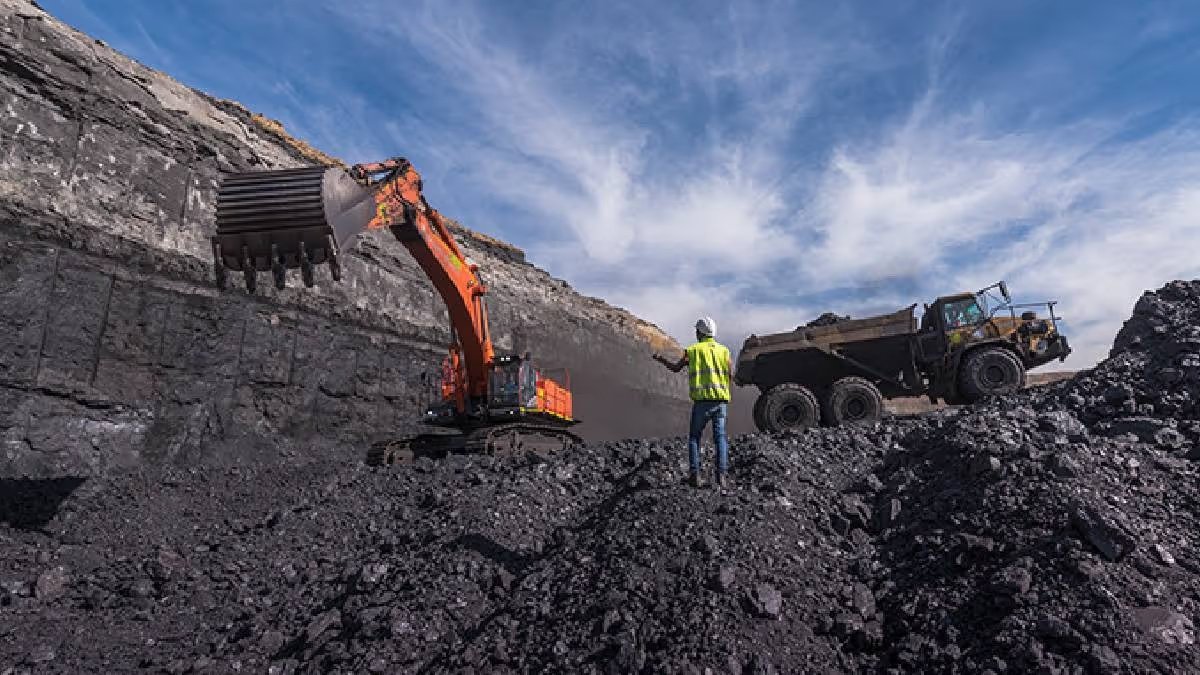
Arunachal Pradesh has entered India’s commercial mining landscape with the operational launch of its first coal block, marking a pivotal shift in the Northeast’s industrial and energy trajectory. The rollout of the Arunachal commercial coal mining project at Namchik–Namphuk in Changlang district is expected to unlock local resources, generate employment, and strengthen regional energy security. The mine, which holds estimated reserves of around 1.5 crore tonnes, has transitioned from years of underutilisation to active production following regulatory clearances and a competitive allocation process. This development positions Arunachal Pradesh as a new entrant in India’s coal-producing ecosystem, aligning with national efforts to expand domestic resource utilisation.
For the Northeast, the significance of the Arunachal commercial coal mining initiative goes beyond extraction. The region has historically faced infrastructure and connectivity constraints, limiting industrial growth. By activating local coal reserves, the project reduces reliance on distant supply chains and improves fuel availability for power generation and emerging industries. The economic implications are substantial. The mine is expected to generate annual revenues exceeding ₹100 crore for the state while creating direct and indirect employment opportunities across mining, logistics, and ancillary sectors. This could provide a much-needed boost to local economies, particularly in districts where industrial activity has remained limited. Urban and infrastructure development stand to benefit as well. Reliable access to coal supports electricity generation, which underpins housing, transport systems, and industrial corridors. As cities in the Northeast expand, improved energy availability can enhance project execution timelines and reduce cost uncertainties linked to fuel supply disruptions. The project also reflects a broader policy shift towards decentralised and commercially driven mining. Commercial coal mining reforms introduced in recent years have opened the sector to private participation, improving efficiency and encouraging investment in previously untapped regions. The Namchik–Namphuk block, revived through auction after years of delay, exemplifies this transition. However, the development brings parallel considerations around sustainability and local ecosystems. Arunachal Pradesh is one of India’s most ecologically sensitive regions, and large-scale mining activity requires careful environmental management. Authorities have indicated that safeguards, including afforestation and land restoration measures, will be integrated into project operations. There are also social dimensions to consider. Ensuring that local communities benefit equitably through employment, infrastructure, and social investments will be critical to the project’s long-term acceptance and success.
Looking ahead, the Arunachal commercial coal mining initiative could act as a catalyst for broader industrialisation in the Northeast. By combining resource development with improved connectivity and policy support, the region may see increased investment across energy, manufacturing, and infrastructure sectors. For India’s wider urban growth story, the project signals a shift towards more geographically distributed resource development—one that strengthens energy resilience while opening new frontiers for inclusive regional development.
ALSO READ – India Coal Gasification Push Strengthens Energy Security
Arunachal Coal Mine Launch Boosts Regional Energy Security
