


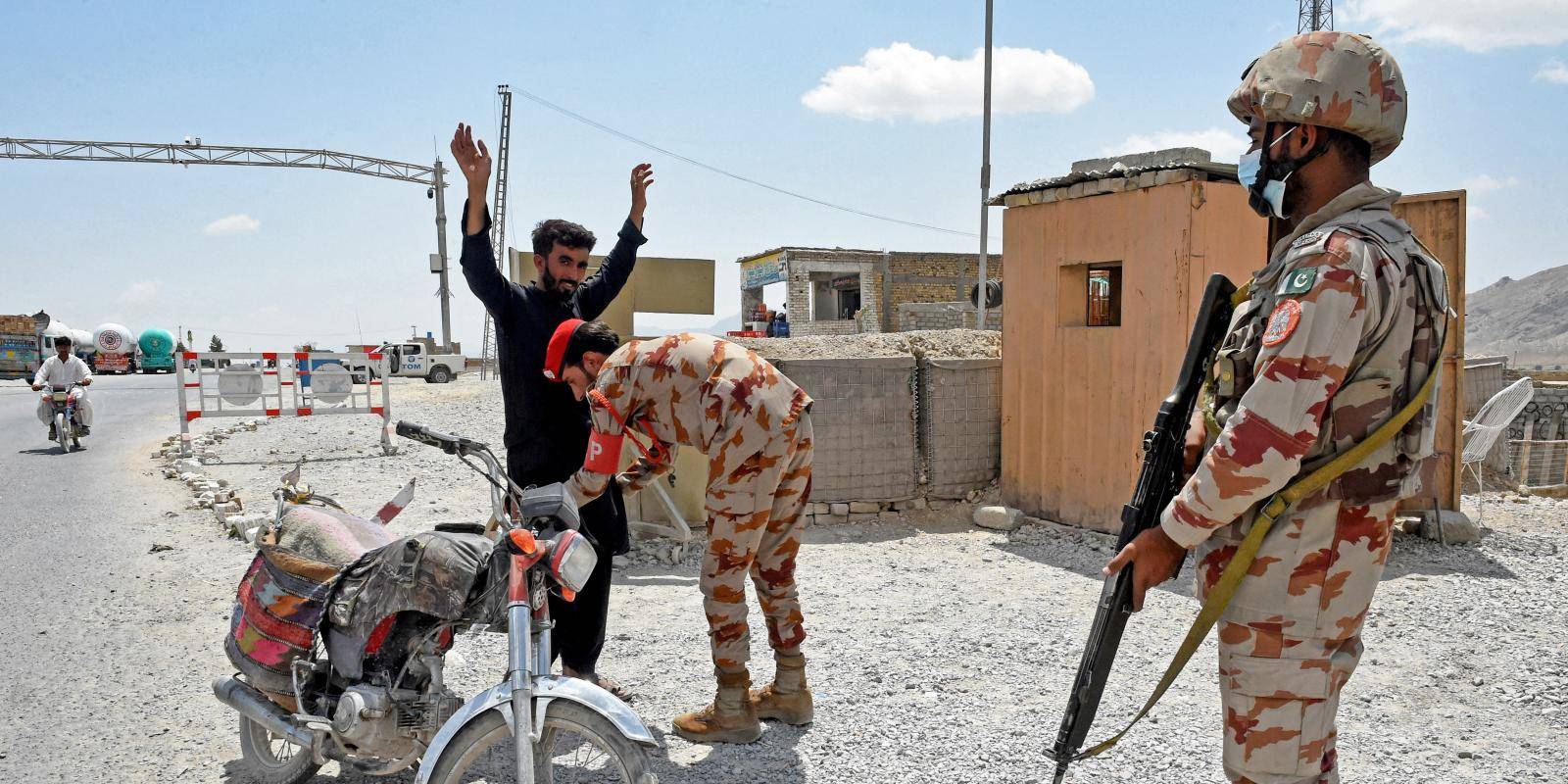
A sweeping wave of armed confrontations across Balochistan has reignited fears of prolonged instability in Pakistan’s resource-rich yet politically turbulent province.
In what is being described as one of the most extensive operations by the Baloch Liberation Army (BLA) in recent years, coordinated strikes were launched at 39 locations, targeting security infrastructure including police posts, paramilitary patrols, and critical highways.The attacks underscore a renewed vigour in the BLA’s decades-long separatist campaign, rooted in demands for greater autonomy and local control over the province’s vast mineral and energy resources. The group’s coordinated offensive has reportedly caused widespread disruption across the region, further exposing the fragile security framework in Balochistan.
In response, the Pakistani military has intensified its operations, conducting widespread arrests and crackdowns on civil resistance. Notably, an elderly rights activist was detained during a peaceful demonstration held during Eid, fuelling further discontent among the region’s residents and raising questions around the suppression of dissent.Balochistan, which borders both Iran and Afghanistan, holds strategic importance due to its proximity to regional trade corridors and the multi-billion-dollar China-Pakistan Economic Corridor (CPEC). However, chronic underdevelopment, lack of representation in federal decision-making, and militarised governance have fuelled resentment among the local population.
Despite numerous promises of economic inclusion and infrastructure development, large sections of Baloch society remain sceptical of Islamabad’s intentions.
The current escalation represents more than a security dilemma — it brings to the forefront deeper structural issues that successive administrations have failed to address. The reliance on military solutions to counter political demands has only hardened positions on both sides, creating an environment in which violence has become cyclical and predictable.Pakistan continues to classify the BLA as a terrorist organisation, maintaining that it poses a serious threat to national security. Yet, the persistence of such movements reflects a broader failure to integrate peripheral regions into the national fold. The government’s approach, dominated by security imperatives, has drawn criticism from rights organisations that argue for a political solution through dialogue, not detentions.
International observers are increasingly alarmed by the deteriorating human rights conditions in Balochistan. However, geopolitical considerations, including strategic partnerships and non-interference policies, have largely kept global actors from playing an active role. This silence has emboldened both the state and insurgents, allowing the conflict to fester with little external mediation.The situation in Balochistan presents a complex challenge — balancing nationalintegrity with the legitimate aspirations of marginalised communities. As the conflict intensifies, so too do concerns over the region’s long-term viability as a stable economic and environmental contributor to the subcontinent. For sustainable peace to emerge, both developmental justice and inclusive governance must be placed at the centre of the policy discourse.
Also Read : Delhi Government Strengthens Emergency Response Measures
Armed Conflict Escalates Across Balochistan
