


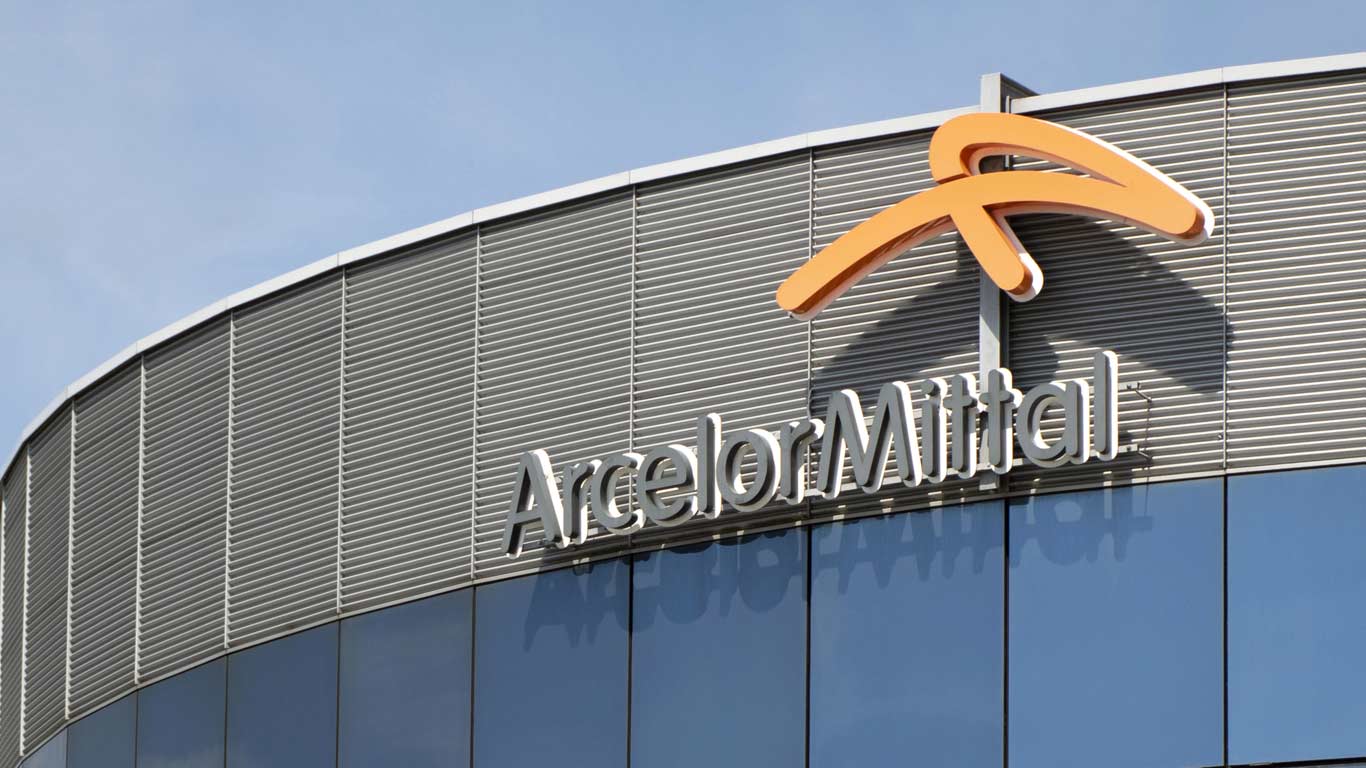
Global steel and mining major ArcelorMittal has formalised plans to establish a large-scale Global Capability Center in Hyderabad and Pune, positioning the two Indian cities as strategic technology and business operations hubs for its worldwide network. The move signals a deeper shift in how heavy industry majors are reorganising digital, analytics and back-office functions to tap India’s expanding urban talent pools.
The new platform, branded as the ArcelorMittal Global Capability Center, will operate under a consolidated structure focused on technology systems, digital engineering, finance operations and data-led process optimisation. Industry observers note that such centres increasingly go beyond cost arbitrage, evolving into innovation nodes that shape enterprise-wide decision-making.For Hyderabad and Pune, the announcement reinforces their dual identity as advanced technology clusters and diversified employment engines. Hyderabad’s HITEC City corridor has attracted a steady stream of global capability centres in recent years, strengthening its commercial real estate absorption and transit-oriented growth. Pune, long known for its automotive and engineering base, has expanded rapidly into enterprise technology and analytics, supported by established educational institutions and a skilled workforce pipeline.
Urban planners say the scale-up of global capability centres can significantly influence housing demand, transport infrastructure usage and Grade A office development patterns. Demand for flexible workspaces, integrated townships and improved public transport connectivity is likely to intensify as hiring accelerates. Both cities have been investing in metro rail expansions and peripheral road infrastructure, aiming to prevent congestion from undermining economic gains.The Global Capability Center model also has implications for India’s broader urban economy. By centralising digital transformation, artificial intelligence deployment and enterprise systems management in India, multinational corporations are embedding higher-value work within domestic labour markets. This helps deepen the country’s knowledge economy while creating formal employment opportunities across gender and skill levels.
Environmental considerations remain central to the long-term viability of such expansions. Data-intensive operations require reliable power and digital infrastructure, prompting growing attention to renewable energy procurement, green-certified office buildings and energy-efficient data management systems. Hyderabad and Pune have both seen a rise in LEED- and IGBC-rated commercial developments, aligning corporate expansion with lower-carbon urban growth.Analysts indicate that as global manufacturers digitise supply chains and decarbonise production, their Global Capability Center networks will play a pivotal role in monitoring emissions, managing climate reporting and improving operational efficiency. In that sense, the ArcelorMittal Global Capability Center is not merely an administrative extension but part of a structural transformation within industrial value chains.
With India’s Tier I cities competing for high-value knowledge investments, the trajectory of this Global Capability Center could shape not just corporate workflows, but also the future contours of inclusive employment, sustainable real estate absorption and infrastructure planning in two of the country’s fastest-growing urban regions.
Also Read:Chennai Metro Vadapalani Poonamallee Section Safety Cleared
ArcelorMittal Global Capability Center expands in India
