


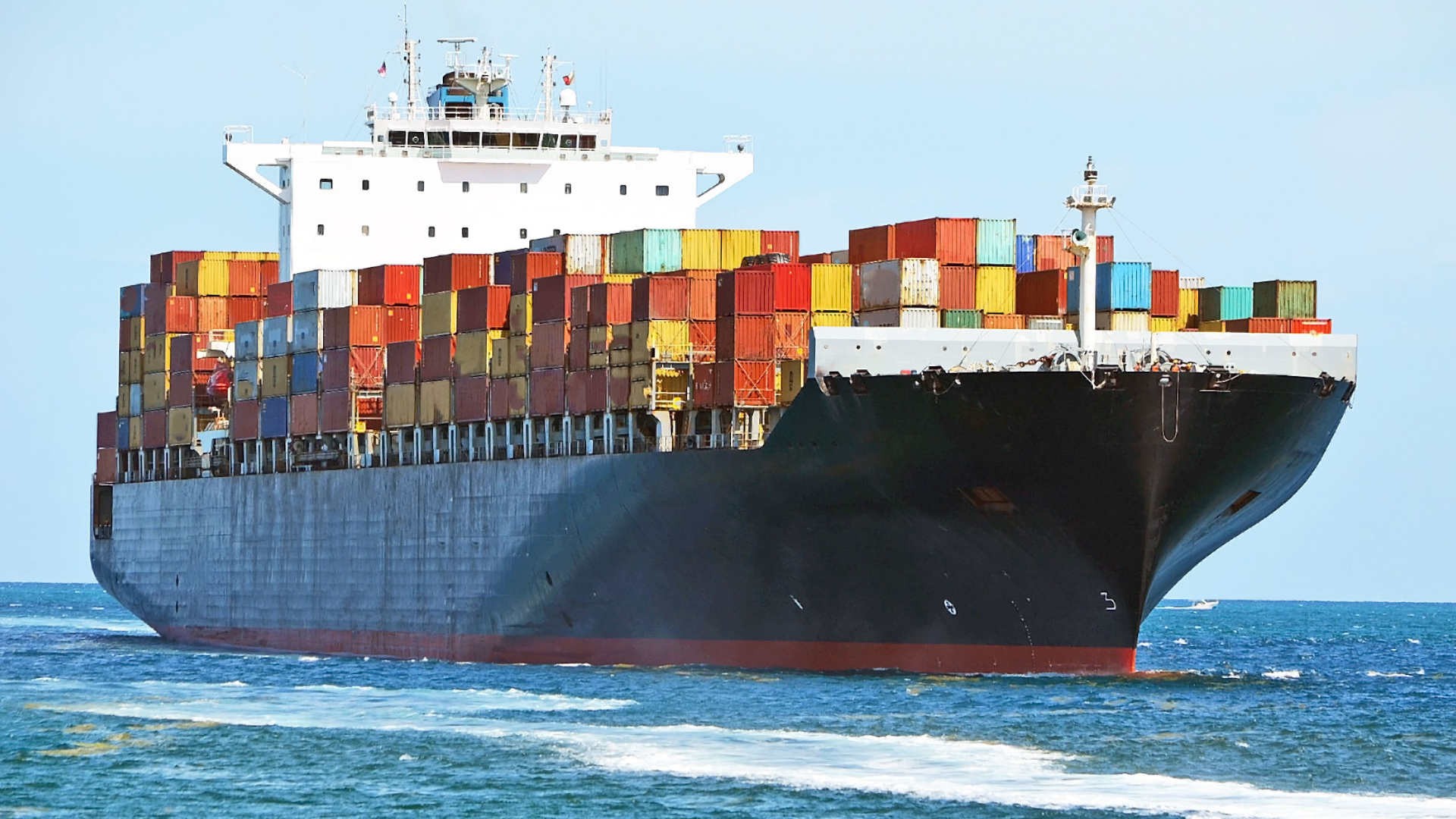
The world’s largest shipowners’ body warns of a sharp rise in threats to commercial vessels. The warning has intensified anxieties in maritime and trade circles, with implications for global supply chains already grappling with geopolitical shocks and climate-induced disruptions.
According to recent alerts issued by industry sources, shipping lanes in and around the Red Sea, the Gulf of Aden, and the Strait of Hormuz are experiencing an uptick in hostile activities, from drone and missile attacks to pirate-like tactics and maritime surveillance. The situation has created an increasingly volatile environment for cargo ships, oil tankers, and merchant vessels navigating one of the most vital global trade corridors.
The region—home to strategic chokepoints such as the Suez Canal and the Bab el-Mandeb Strait—has historically been vulnerable to piracy and conflict spillovers. But the current spike in threats is more complex, involving hybrid tactics linked to state and non-state actors operating across regional conflict zones. The shipowners’ body has called for coordinated international action to safeguard free navigation and ensure that seafarers are not exposed to escalating risks.
For India, which depends heavily on oil imports and container trade passing through these waters, the implications are significant. Over 60 per cent of India’s energy imports traverse this corridor, and any prolonged disruption could ripple through the economy—impacting energy security, shipping costs, and the broader logistics network. Indian shipping operators, freight forwarders, and port authorities have been advised to remain vigilant and update risk management protocols.
What makes this escalation particularly concerning is its timing. Global trade is already navigating a fragile post-pandemic recovery, coupled with supply chain bottlenecks caused by extreme weather events and port congestion. The additional pressure from maritime insecurity in the Arabian region could increase freight insurance premiums, extend transit times, and redirect vessel traffic through longer and more expensive alternative routes.
Sustainability advocates have also raised alarms about the environmental implications of potential spills or attacks, especially in ecologically sensitive maritime zones. The movement of oil and chemicals through the Red Sea and Arabian Sea heightens the risk of large-scale contamination in the event of an incident—posing a threat not only to marine life but also to coastal communities dependent on clean waters and sustainable fisheries.
Global maritime agencies and navies have already ramped up monitoring in the affected zones. However, industry experts argue that a reactive security presence will not suffice. They are urging the adoption of long-term cooperative frameworks that integrate technology-led surveillance, intelligence sharing, and sustainable maritime governance—anchored in international law and multilateral engagement.
While the threats remain dynamic and evolve in real time, the shipping sector’s response must be equally agile. Port cities, shipping companies, and policymakers need to integrate environmental resilience, technological readiness, and diplomatic coordination to mitigate the risks. For economies that rely on the smooth flow of maritime commerce, the stakes could not be higher.
As the Arabian Peninsula once again finds itself at the intersection of geopolitical turbulence and global trade, the safety of maritime corridors has become not just a logistical concern, but a litmus test for international cooperation and sustainable development.
Also Read : Delhi’s Yamuna River Chokes in Pollution Crisis
