
HomeAndhra PradeshAndhra Pradesh Reels Under 7 Degree Heat Spike Amid Monsoon Rain Deficit

Andhra Pradesh Reels Under 7 Degree Heat Spike Amid Monsoon Rain Deficit

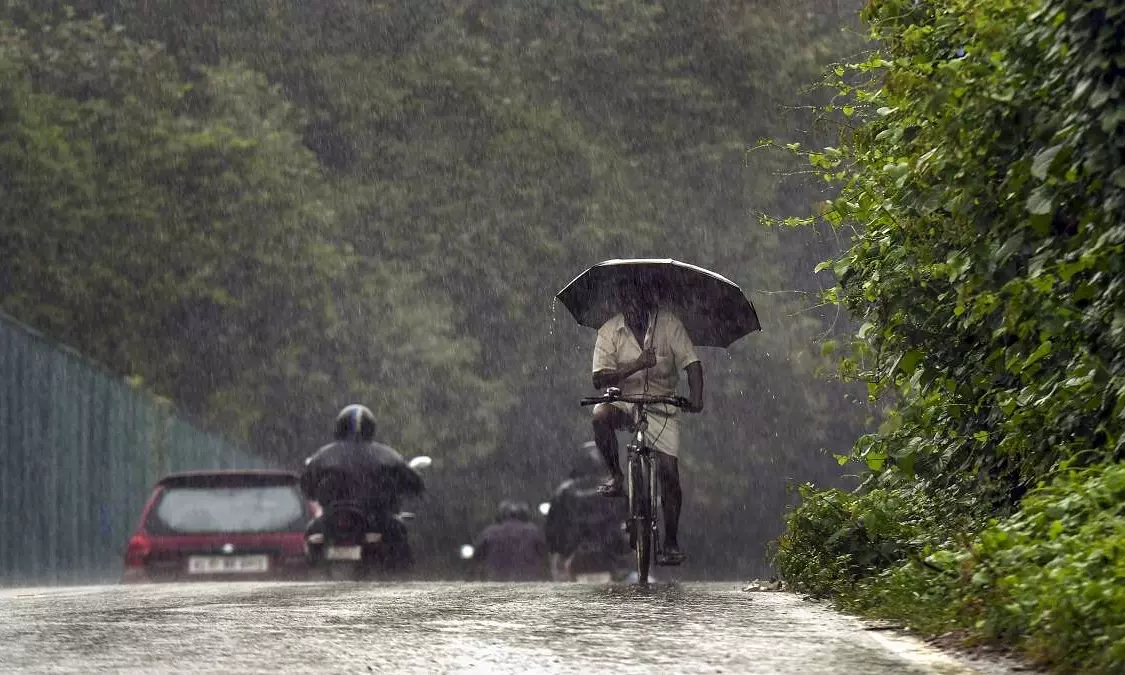
 

Soaring temperatures gripped several districts of Andhra Pradesh on Saturday, as the weak southwest monsoon continued to falter. With mercury levels rising 5°C to 7°C above seasonal averages, the state is facing prolonged heat stress even as it deals with a significant shortfall in rainfall.

Weather authorities reported that Amaravati and Narasapur recorded the highest daytime temperatures at 39.6°C—7 degrees above normal. Other key cities including Tuni, Kakinada, Visakhapatnam, and Nellore also saw elevated readings, with deviations ranging from 4°C to over 5.5°C. The intense heatwave is expected to persist at least until July 15, although meteorological forecasts suggest a potential reprieve between July 16 and 21 with an approaching monsoon trough. As of July 10, Andhra Pradesh has recorded a 32% deficit in rainfall since the beginning of the season. The state has received only 89.6 mm of rain against the usual 131.2 mm for this period.The Rayalaseema region has been the worst hit, logging a 38% cumulative deficit.

Five of its eight districts have experienced rainfall shortages ranging between 46% and 70%. In coastal Andhra, only four out of 18 districts—Anakapalle, East Godavari, Alluri Sitarama Raju, and Eluru—have managed to maintain normal or above-average rainfall. The rest, including high-population zones like Krishna, Guntur, and Srikakulam, remain under rainfall stress with deficits up to 60%, raising concerns over water availability, health impacts, and future agricultural productivity. Officials monitoring the weather trends have urged residents to avoid prolonged exposure during peak hours and to conserve water wherever possible. As climate extremes become more common, the rising heat index coupled with erratic rainfall underlines the urgent need for adaptive infrastructure, decentralised water management, and a city-wise heat mitigation strategy.

The prolonged dry spell and rising heat levels across Andhra Pradesh are a stark reminder of the vulnerabilities linked to shifting climate patterns. As districts struggle to maintain agricultural timelines and ensure water security, the situation underscores the need for resilient urban and rural planning that prioritises sustainable water use, green cover expansion, and early warning systems.

Also Read: Andhra Pradesh Kharif Crop Acreage Rises Amid Early Rainfall And Water Supply
Andhra Pradesh Reels Under 7 Degree Heat Spike Amid Monsoon Rain Deficit
RELATED ARTICLES
- Advertisment -spot_img

Most Popular

Latest News

Recent Comments
