Andhra Pradesh Begins AI Mosquito Monitoring To Combat Monsoon-Borne Illnesses
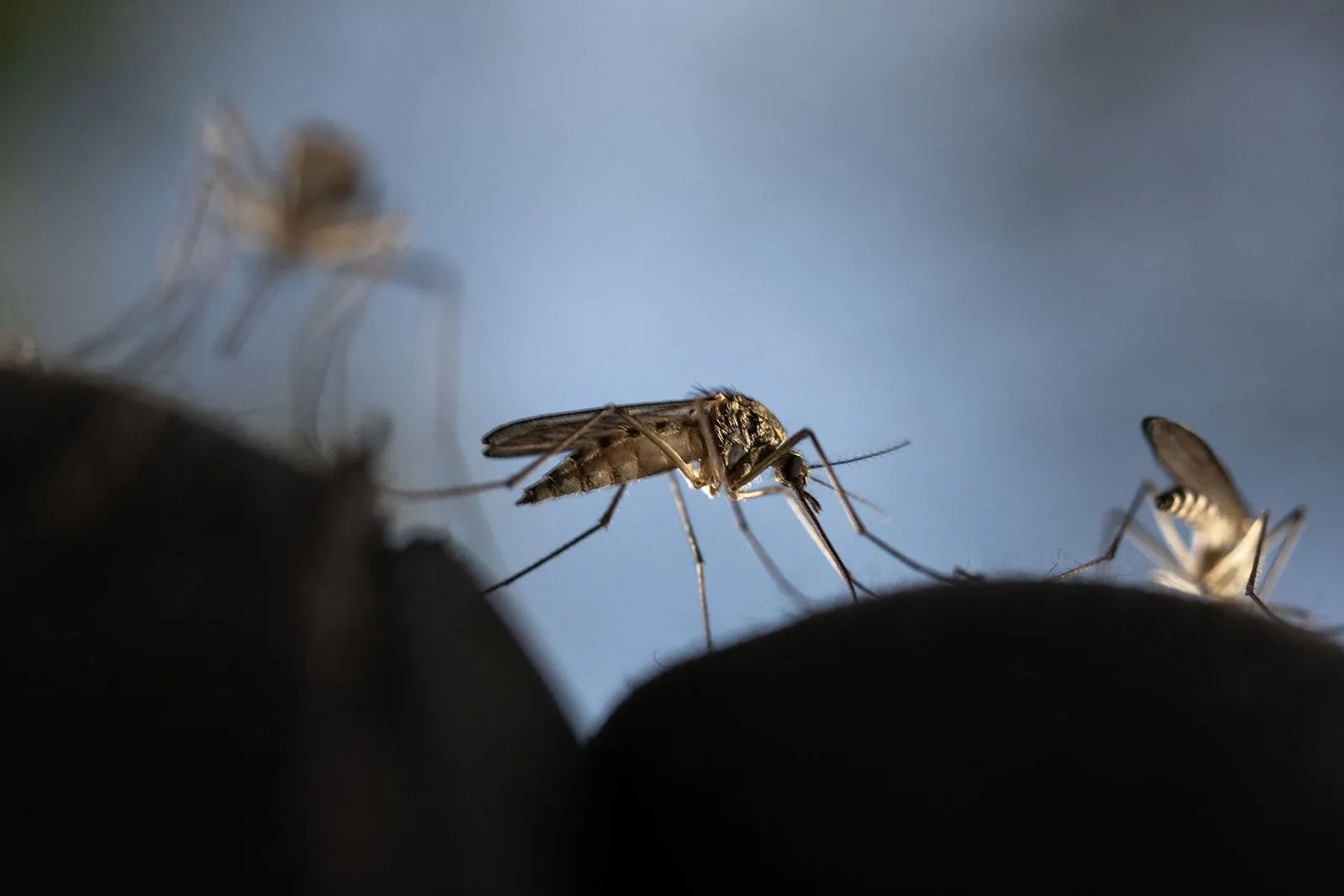
Andhra Pradesh is launching a Smart Mosquito Surveillance System (SMoSS) powered by AI and IoT technologies. The initiative, targeting mosquito-borne disease prevention during monsoon, will debut in 66 locations across six major urban centres in a tech-driven step toward public health resilience. Using AI sensors, drones, and real-time data on species, density, and humidity, the programme aims to replace blind spraying with precision fumigation. Authorities expect this model to revolutionise vector control through data-guided interventions.
The SMoSS pilot project marks a significant shift in Andhra Pradesh’s approach to vector management by using AI to monitor mosquito populations in real time. Deployed across six municipal corporations—including Visakhapatnam, Vijayawada, and Kakinada—the system combines AI-powered sensors, drones, and environmental monitors to detect mosquito species, gender, and density alongside key weather indicators. When mosquito counts exceed safety thresholds, automatic alerts are triggered to initiate fogging or spraying. Civic authorities believe this proactive model will curb disease outbreaks such as dengue and malaria more effectively than traditional blanket fumigation methods. Each sensor node will analyse localised risks and trigger geo-tagged interventions, ensuring timely and targeted responses. With AI and IoT enabling near-instant feedback loops, officials anticipate stronger community protection and reduced operational waste. The Municipal Administration and Urban Development Department has positioned SMoSS as a scalable public health tool that could be deployed statewide if the pilot proves successful.
Unlike past mosquito-control drives that often relied on routine, indiscriminate spraying, the SMoSS programme introduces a precision public health strategy. By combining environmental analytics with mosquito-specific AI modelling, it ensures resource optimisation and sharper epidemic forecasting. Experts note that this represents a paradigm shift from reactive fumigation to anticipatory surveillance. For instance, if a sharp rise in humidity coincides with increased mosquito density at a monitored site, real-time data will inform instant mobilisation of fumigation teams. In addition to direct health gains, civic agencies could significantly reduce chemical usage, labour redundancy, and budgetary waste. Each of the 66 monitored locations in cities such as Rajamahendravaram, Kurnool, and Nellore will serve as micro-testbeds for assessing response efficacy, citizen engagement, and seasonal vector trends. Health authorities are optimistic that data dashboards derived from SMoSS will support future epidemiological planning, while also boosting community trust in municipal interventions through transparency and responsiveness.
The Smart Mosquito Surveillance System signals a modern, tech-enabled approach to safeguarding public health in Andhra Pradesh’s urban centres during peak disease seasons. By embracing AI and real-time monitoring, the state aims to minimise mosquito-borne illness through timely, evidence-based interventions. Authorities are hopeful that if the pilot yields measurable success, it could become a national model for urban vector management. The SMoSS rollout reflects a growing understanding that tackling public health challenges requires not just infrastructure, but intelligent systems that learn, adapt, and guide human response. This initiative represents a promising leap toward smarter, safer, and cleaner cities.