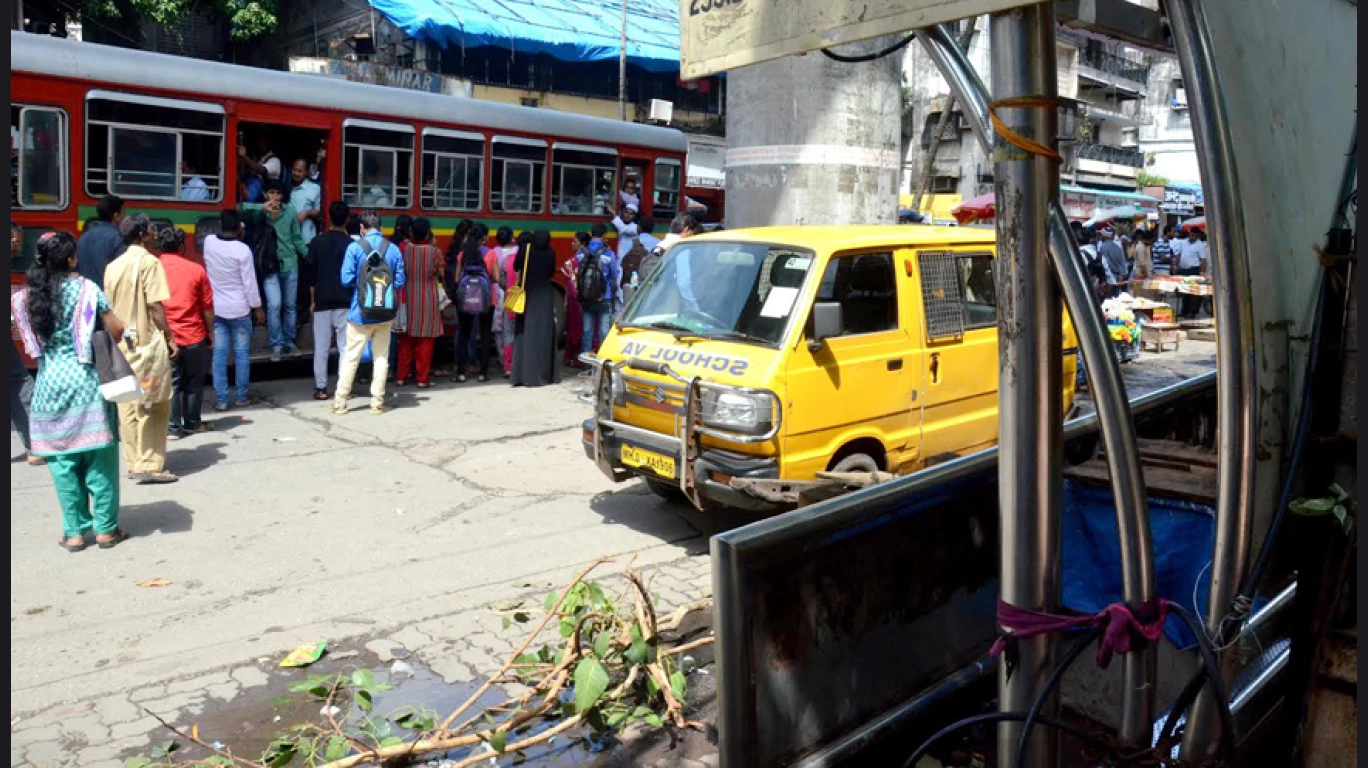
Traffic in Mumbai’s Andheri West area returned to normal on Wednesday, December 17, after a critical section of the road near the Metro station reopened, more than six weeks following a significant cave-in. The DN Nagar side of the road had collapsed on October 30, forcing vehicles in both directions onto a single northbound lane, causing severe congestion for commuters.
Officials stated that the repair process took 46 days due to the complexities uncovered during restoration. An inspection revealed an ageing sewer pipe from the 1980s, approximately 30 feet deep and 850 mm in diameter, had been damaged, creating a void that required careful excavation. Engineers faced repeated collapses of loose soil around the pipe, necessitating meticulous work to stabilise the site. Civic teams also dug multiple trial pits to map utilities between the Metro stairs and the collapsed section. This approach ensured that essential water lines and the Metro infrastructure were not inadvertently damaged during the repair process. “The repair was technically challenging due to the depth and condition of existing infrastructure,” an official said.
While the damaged concrete road was replaced with an asphalt surface, some local residents and urban activists expressed concerns regarding the material quality. Reports indicate that a third-grade mastic asphalt was used for resurfacing, though overall traffic flow has improved substantially following the reopening. The incident highlights the interplay between Mumbai’s ageing urban infrastructure and ongoing large-scale construction projects. According to sources, previous cave-ins prompted communication between the BMC Commissioner and MMRDA leadership, noting recurrent sewer damage and road voids in areas impacted by metro and bridge construction activities. These developments underscore the necessity of careful planning and regular monitoring of construction sites to mitigate disruptions and protect public safety.
Experts say the prolonged closure, while inconvenient, reflects a broader trend of complex urban maintenance challenges in densely populated cities. Ensuring that legacy infrastructure aligns with modern urban expansion requires detailed engineering assessments and strategic investment. By completing the restoration and reopening the road, the civic authorities have balanced commuter needs with sustainable urban safety standards. Moving forward, maintaining and upgrading Mumbai’s transport corridors alongside ongoing metro expansion projects remains critical. City planners emphasise integrating robust infrastructure monitoring and adopting higher-grade construction materials to prevent similar incidents, while reducing environmental impact during repair works.
Andheri West Metro Road Reopens After Extended Delay Fixing Underground Utilities