


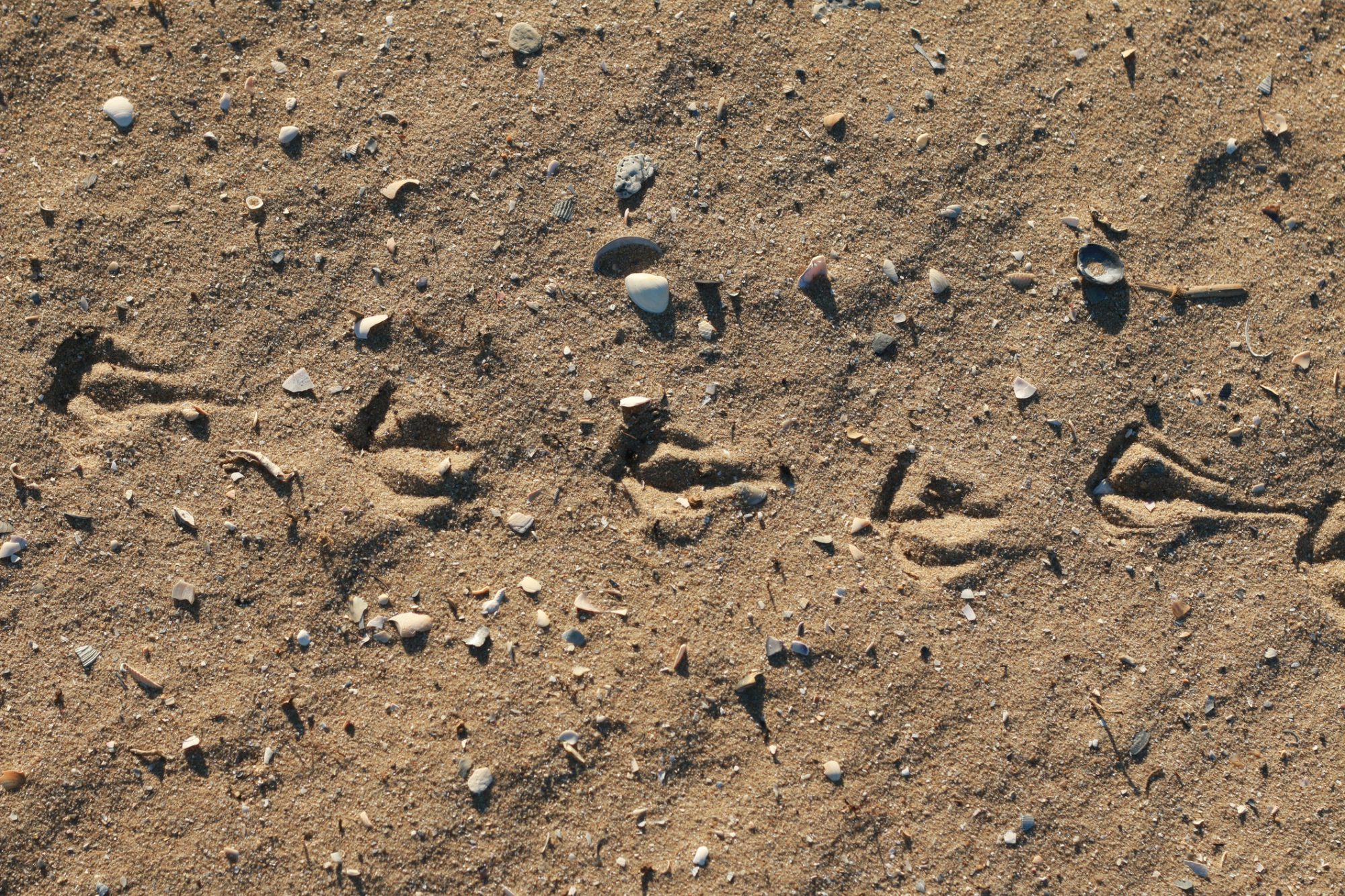
Ancient Shorebird Footprints Unearthed in Kutch
In a groundbreaking discovery that could reshape our understanding of the region’s environmental history, geologists have uncovered 3,000-year-old fossilised footprints of shorebirds in the Rann of Kutch, Gujarat. Found near the India-Pakistan border in the remote Karim Shahi area, the ancient impressions were hidden beneath layers of sediment, with the nearest water source now lying almost 20 kilometres away.
The significance of these fossil tracks extends far beyond their age. Analysis confirms that the footprints date back to the Late Holocene period, a time when tidal waters still shaped the landscape. This revelation hints at a very different ecological narrative for Kutch, one where thriving water bodies supported diverse wildlife—an ecosystem starkly contrasting today’s arid salt marshes.
Documented in Scientific Reports, a journal under the renowned Nature publication, the discovery is part of a study titled Discovery of Fossil Avian Footprints from Late Holocene Sediments of Allah Bund Uplift in the Great Rann of Kachchh, Western India. Authored by researchers Darshit Padia, Bhawanisingh Desai, Suruchi Chauhan, and Babulal Vaghela, the paper sheds light on how shifting geological patterns and climatic changes led to the drying up of these ancient tidal landscapes.
The footprints were stumbled upon during an extensive geological survey focused on understanding the dynamic tectonic shifts in the region. Researchers suggest that the sediment layers covering these prints were formed over centuries as tectonic activity, coupled with climate shifts, gradually reshaped the land’s topography. This finding aligns with broader scientific concerns about desertification, water scarcity, and their impact on the fragile ecosystems of India’s arid zones.
What makes this discovery especially compelling is the stark contrast between the historical ecosystem it hints at and the present-day desolation of the Rann of Kutch. Once a thriving wetland supporting diverse birdlife, the area has transformed into an arid salt desert due to natural shifts and, possibly, human interference over millennia. For modern conservationists and urban planners, the finding serves as a stark reminder of the environmental costs of unchecked development and climate neglect.
The ancient footprints also bring forth a larger conversation about India’s disappearing wetlands, an issue of growing concern in the face of rapid urbanisation. As cities expand and ecosystems contract, understanding historical environmental shifts becomes essential for building sustainable urban futures.
For Kutch, a region deeply entrenched in India’s ecological and cultural tapestry, this discovery adds another layer to its complex narrative. It serves not just as a scientific milestone but also as a call for reflection on how contemporary development practices must align with the natural history of the land to ensure a sustainable and resilient future.
