


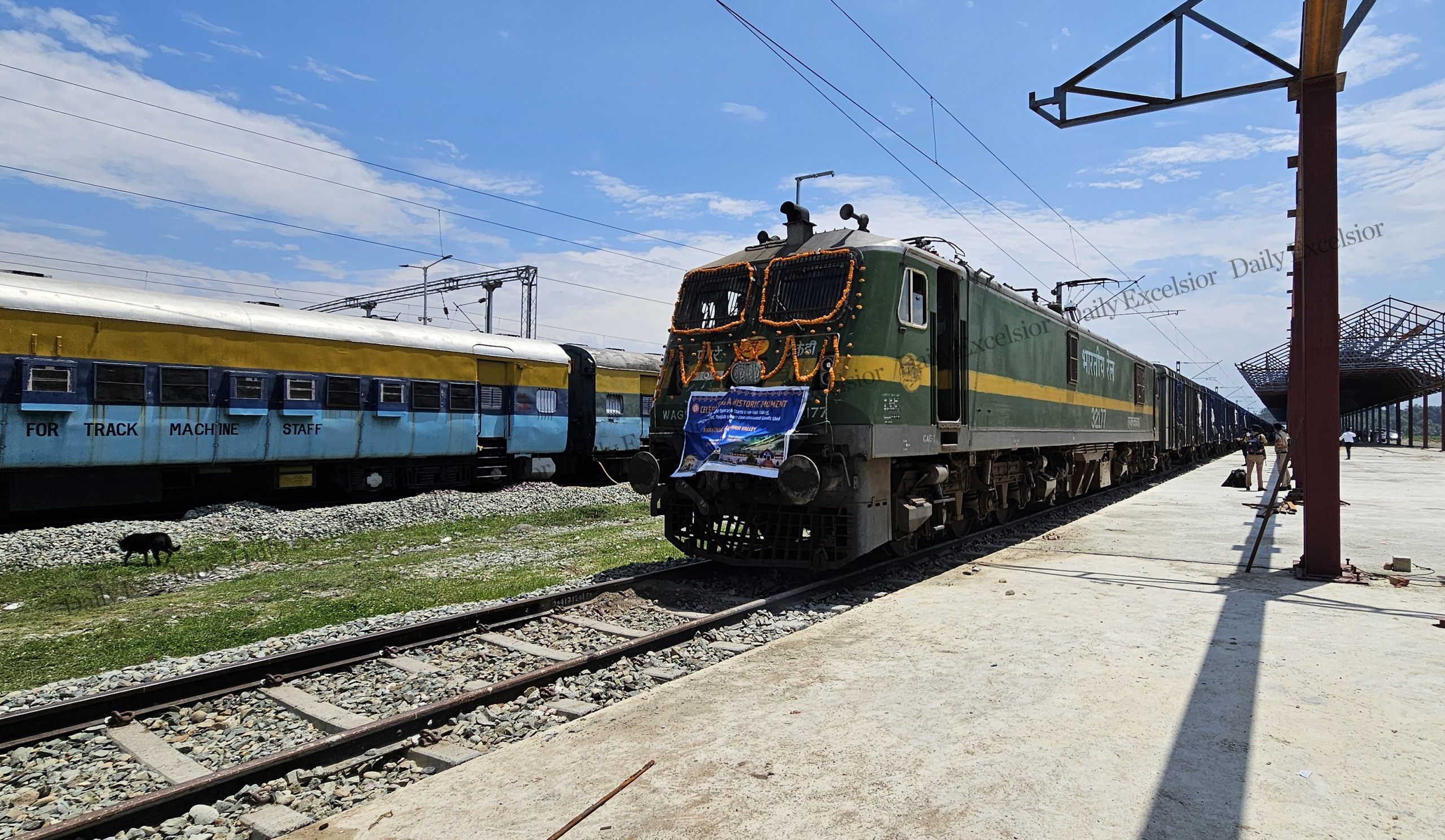
The inaugural freight train rolling into Anantnag Railway Station marks a transformative moment for Kashmir, seamlessly integrating the region with the national rail network and heralding a new era of sustainable logistics. This historic development, part of the Udhampur-Srinagar-Baramulla Rail Link (USBRL) project, is far more than an engineering triumph; it is a strategic step towards fostering a resilient, zero-net-carbon, and economically equitable society. By offering an all-weather, eco-friendly transport corridor, the project promises to unlock the region’s economic potential, ensuring a consistent flow of goods and people while aligning with modern urban sustainability goals.
The completion of this crucial section of the USBRL project, which includes landmark structures like the world’s tallest railway bridge over the Chenab River, effectively resolves one of the region’s most persistent challenges: reliable connectivity. Traditionally, the valley has been heavily reliant on road transport, which is frequently disrupted by adverse weather conditions, including landslides and heavy snowfall. The new rail link provides a dependable alternative, guaranteeing the year-round delivery of essential commodities and raw materials, and offering local businesses a stable and cost-effective way to transport their goods to national markets. This newfound stability is expected to significantly lower logistics costs and stimulate local commerce, empowering entrepreneurs and fostering a more robust regional economy.
From an environmental standpoint, the project represents a significant stride towards a zero-net-carbon future. Rail transport is demonstrably more fuel-efficient and emits fewer greenhouse gases per tonne-kilometre compared to road transport. By shifting a substantial portion of freight from heavy-duty trucks to trains, the railway will help reduce carbon emissions and improve air quality in the region. This aligns perfectly with the editorial agenda of creating eco-friendly cities and regions. The railway’s resilience also supports this mission by mitigating the economic and social disruptions caused by weather-related road closures, which often lead to increased idle time and fuel consumption for stranded vehicles.
Beyond its economic and environmental benefits, the USBRL project has been a powerful engine for social equity. The monumental construction effort has generated millions of man-days of employment for the local population, providing invaluable skills and livelihoods. The ancillary infrastructure built alongside the railway, including hundreds of kilometres of approach roads and smaller bridges, has improved local connectivity and uplifted communities in previously remote areas. This is a testament to how large-scale infrastructure can be designed to be gender-neutral in its impact, creating broad-based opportunities and ensuring that the benefits of progress are shared by all. The new rail link, therefore, is not just a transport corridor; it is a lifeline that secures Kashmir’s socio-economic integration and lays the groundwork for a truly sustainable and connected future.
Also Read :Kashmir Freight Train Crosses Worlds Tallest Rail Bridge Boosting Tradel
